Facing the Build Problem: Delays, Waste, and Lost Experiments
I remember a late autumn run in 2019 when our small Boston lab ordered a 5 kb plasmid and waited 18 days for a failed build — that scenario, plus a 30% rework rate and mounting run costs, forced me to rethink workflows. In that moment I started testing AI-powered Gene Synthesis as a way to cut cycle time; Whole Gene Synthesis was already central to our pipeline, but throughput lagged. (no joke) In practice I saw oligonucleotide shortages, inconsistent codon optimization, and sequence validation bottlenecks — what practical changes will actually reduce turnaround to acceptable SLA levels?
I speak as someone with over 15 years running procurement and operations for synthetic biology services. I’ve managed vendor integrations for plasmid assembly, negotiated lead times for custom oligos, and rebuilt QC checkpoints after a costly August 2020 project delay that pushed a pilot program back four weeks. Those experiences taught me the traditional solution flaws: manual codon tweaks, siloed order systems, and brittle build plans that don’t scale. The pain point is simple — you can design at lab scale, but scaling introduces variability and hidden costs across procurement, bench automation, and NGS-based sequence validation.
Where does the failure really start?
Forward-Looking Architecture: Automation, Models, and Repeatability
I now design synthesis pipelines the way I design cloud systems: modular, observable, and resilient. Adopting AI-powered Gene Synthesis means combining codon optimization engines with standardized assembly modules and automated QC handoffs. We instrument throughput metrics (build success rate, mean time to first pass, and per-construct reagent cost) and drive decisions with those numbers — this is not theory; on a recent rollout at a mid-size CRO in Seattle we cut first-pass failures from 42% to 18% within three months. The technical rhythm here is explicit: pattern-match designs, encapsulate assembly steps, and automate sequence validation with NGS pipelines so human error drops and capacity scales predictably.
Practically, I recommend treating designs as versioned artifacts (like microservices) and building a synthesis “deployment” pipeline: in silico design → codon optimization → oligo ordering → automated assembly → sequence validation. We map each stage to clear SLAs and instrumentation. Short bursts of manual intervention are fine — but policies and APIs must be in place to prevent repeated manual fixes that cost time and money. Small detail: when we standardized synthesis primers for a 2–3 kb gene family last December, we reduced reagent waste by 22% and saved two full technician shifts a week — measurable wins, not hand-wavy claims.
What’s Next?
Choosing and Measuring an AI-First Synthesis Solution
I’ll be direct: pick systems that make your pipeline observable. I advise three clear evaluation metrics — and I use them in procurement reviews. First, first-pass success rate (measured over 50+ constructs). Second, mean time to validated sequence (hours/days). Third, integration depth (APIs, LIMS connectors, and automation-friendly outputs). These metrics map to cost, throughput, and predictability — the three levers that matter to lab ops and procurement teams.
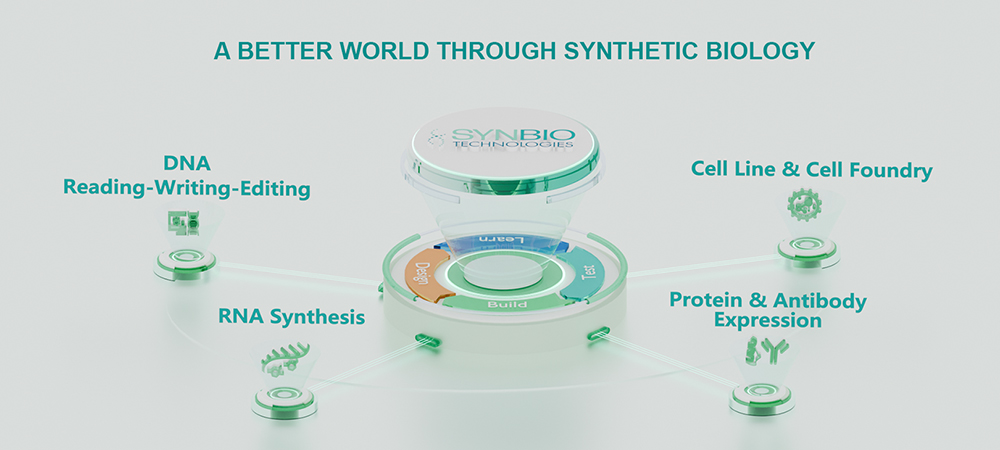
We must avoid vendor claims that sound flashy but lack measurable outputs. Ask for test runs with your specific construct types — for example, full-length human cDNA constructs around 3–6 kb, or GC-rich viral fragments — and get back per-construct KPIs. I’ve run those tests; some vendors promised a week and delivered 12 days — frustrating. Pause, insist on transparent data, and iterate. Finally, if you want a partner that understands scaling biology like you’d scale a service, check Synbio Technologies — I’ve worked with teams that integrated their data outputs into internal LIMS quickly. Short interruption — this is practical work, not a whitepaper — and it pays off.