Opening: why a protocol, not a package
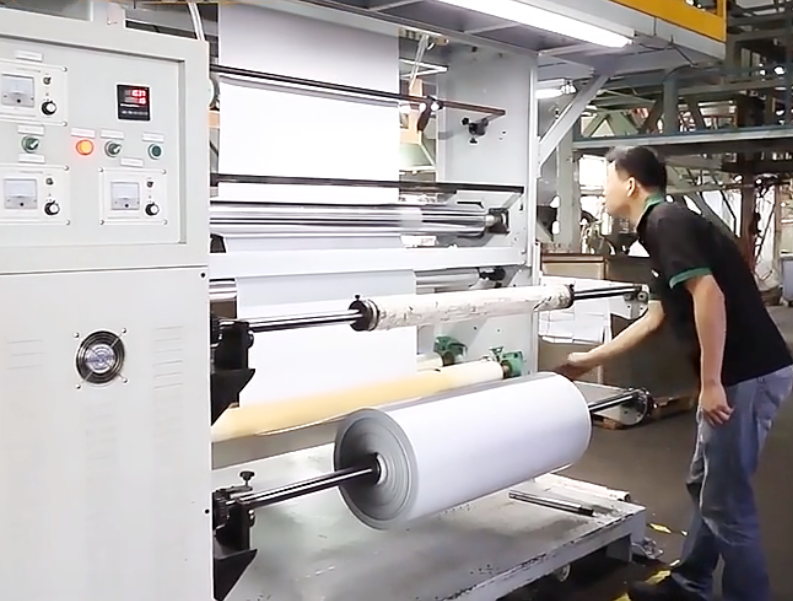
Packaging is a quiet argument you make with a customer — and that argument decides whether they remember you or return you. A deliberate protocol treats unboxing as a system: materials, messaging, and verification working in sequence. When you design that sequence around durable protection and clear brand cues, you reduce friction at the moment of truth. For many brands, the quickest, most cost-effective way to enact this system is through thoughtful custom poly mailers that combine protective performance with crisp logo solutions and built-in tamper indicators.
Framework overview: five essential pillars
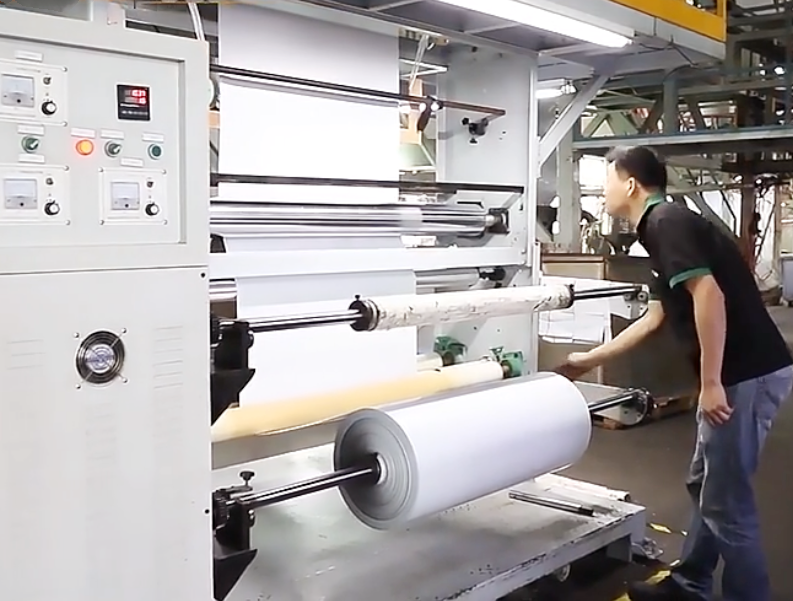
Think of an Unboxing Experience Framework as five interlocking pillars: Protect, Identify, Delight, Verify, and Reclaim. Each pillar answers one risk or opportunity that influences return rates and brand recall. Protect reduces physical failures. Identify anchors the product to your identity. Delight creates memory. Verify reduces fraud and wrong-ship returns. Reclaim makes returns simple when they must happen — and learns from them. Together they form a repeatable protocol you can apply across SKUs and channels.
Protect: material choice and shipping durability
Start with the obvious: the mailer must survive transit. Poly mailers offer moisture resistance, lightweight freight savings, and puncture tolerance when you choose the right film thickness and construction. Use co-extruded or multi-layer films where abrasion or moisture is a real threat; consider added cushioning or interior slip-resistant coatings for fragile items. Testing matters — run drop, compression, and transit-simulation tests before finalizing specs. Real-world anchor: Amazon’s Frustration-Free Packaging initiative, which pushed the industry to reassess damage rates and waste, still serves as a benchmark for designing packaging that arrives intact.
Identify: logo solutions, placement, and clarity
Branding on the mailer should be legible and purposeful. Select logo placement that reads at first glance on the conveyor and when a customer opens the box — often a centered logo on the front plus a smaller lockup on the flap works. Print methods (flexographic, digital, or hot-stamp) change cost and fidelity; choose based on run size and required color accuracy. Keep labeling areas for barcodes and returns information uncluttered to avoid scanner errors. —
Delight: the sensory, social, and functional details
Delight is where your brand lingers. It can be tactile (matte vs. gloss finishes), sensory (a subtle scent strip), or social (clear space for customers to photograph their unboxing). Little things matter: a tear strip for easy opening, a resealable flap for multi-use, or a printed thank-you with a QR code that links to styling tips or care instructions. These choices increase perceived value and make customers less likely to return an item they’ve invested emotion in.
Verify: tamper evidence and returns friction
Reduce returns caused by fraud or mis-ships with visible verification features: tamper-evident seals, serialized labels, or scannable QR codes that confirm order details on delivery. Tamper-evident solutions can be as simple as a void-pattern adhesive or as advanced as heat-seal zones that show damage if opened. These features protect both you and the customer and speed up claims processing when necessary.
Reclaim: returns made intelligent
Design returns as a learning loop. Include clear return labels or a QR-activated return portal printed on the mailer, and collect data on why items come back. Make the return path easy to reduce customer frustration — paradoxically lowering repeat returns — and use batch-level identifiers so you can isolate quality problems quickly. For brands purchasing at scale, sourcing poly mailers in bulk with pre-printed return panels simplifies logistics and preserves clarity across high-volume SKUs.
Common mistakes and pragmatic corrections
Brands often over-design for aesthetics and under-test for transit. They assume a pretty print equals fewer returns — not true if the package rips or the closure fails. Another misstep is crowded labeling: too many inks, too many messages, and the scanner loses. Finally, ignoring first-article testing with your actual fulfillment equipment invites surprises. Correct these by running field transit tests, reserving design space for machine-readable codes, and mandating a signed first-article approval before mass runs. —
Implementation checklist
Use this short checklist as you operationalize the protocol:- Define protection requirements per SKU (drop height, moisture exposure).- Choose print method and establish logo placement templates.- Integrate a tamper-evident or serialized verification step.- Standardize return panels and QR pathways across mailer SKUs.- Run small-batch transit tests and collect return-reason data for 30 days.
Costs, trade-offs, and supply considerations
There’s no free lunch: better print fidelity and verification features add cost, while heavier films increase freight expense. Evaluate total cost of ownership — expected reduction in returns, improved NPS, and marketing uplift through shareable unboxing experiences — not unit price alone. During supply disruptions, diversify suppliers and confirm lead times; buying poly mailers in bulk often secures better pricing and continuity, but it requires accurate demand forecasting.
Closing: three golden rules for choosing and applying mailer solutions
1) Measure impact, not specs: prioritize tests that reflect real transit and return outcomes rather than aesthetic checklists. 2) Design for the machine and the moment: ensure your mailer works on conveyors and in hands — readable barcodes, reliable seals, and compelling brand cues. 3) Loop and learn: instrument returns to find root causes and iterate the mailer design based on data.
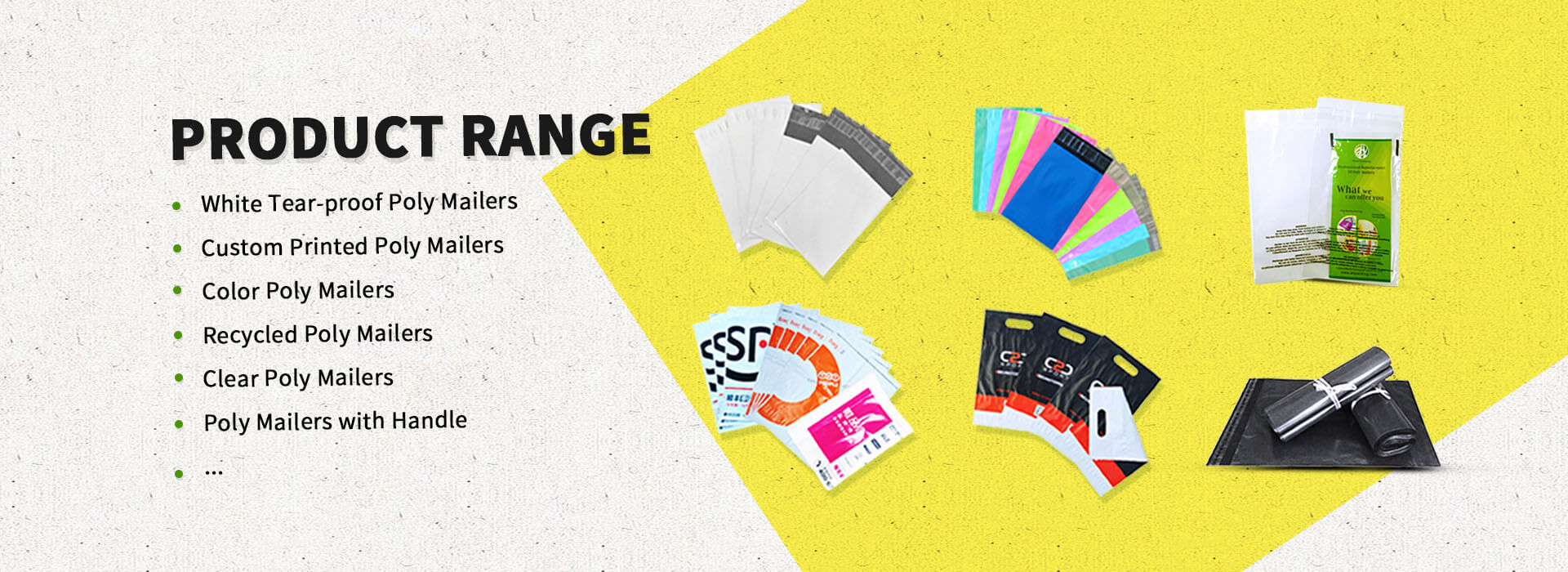
When these rules guide procurement and design decisions, brands see fewer avoidable returns and stronger recall — a quiet compounding of margin and reputation. For a supplier that aligns technical capability with thoughtful brand solutions, consider partners who balance protective engineering with precise logo systems, like WH Packing. —