Introduction: The Ride You Imagine vs. The Ride You Get
Real performance is not a dyno number. Picture an early-morning coastal run, cool air, light traffic, and a calm mind. The sports cruiser motorcycle beside you gleams with promise. Spec sheets shout power-to-weight ratio, ABS, and wheelbase. Charts show torque curves, ride-by-wire mapping, and gear ratios—so much data. Yet you wonder: will those numbers translate when you merge, corner, and cruise for two hours (ya sadiqi)? Many riders discover a gap between paper and pavement, between peak horsepower and usable pull. Why does this mismatch happen, and how can we measure what truly matters for daily rides, weekend tours, and spirited sprints? Let us set a simple goal: align tests with how you actually ride, not how a lab measures.

We will compare common methods with rider-centered benchmarks. We will note the flaws in traditional checking, and we will share a cleaner path. Then we move toward smarter tools that track the bike in motion—funny how that works, right? Let us begin.
Beyond the Spec Sheet: Where Traditional Testing Falls Short
What are we missing?
Classic reviews focus on peak output, 0–60 sprints, and a single braking run. Useful, but limited. A sport cruiser lives in the midrange, not on the dyno peak. Peak horsepower ignores how the torque curve behaves in 3rd and 4th gear at 3,000–6,000 rpm. Short demo rides hide heat soak, throttle lag, and seat pressure points. And chassis stability is not just wheelbase; rake, trail, and weight distribution change how the bike tracks on a broken road. Look, it’s simpler than you think: measure usable thrust per gear, not only peak values. Map throttle response across openings, not just “on/off.” Consider how a slipper clutch calms downshifts into a bumpy corner—because that is where confidence lives.
Ergonomics also get reduced to a seat height number. That is not enough. Peg position, reach to bars, and the seat-to-peg triangle decide if your hips and wrists survive an hour. Suspension preload settings matter in real life; a poorly set shock can mask a great frame. ABS and traction control? If they cut in too early, you lose pace; too late, and you lose trust. Traditional testing seldom tunes for rider weight, luggage, or wind. And test loops rarely include rough patches or long sweepers. In short, the old way prizes lab clarity over street truth—funny how that works, right?
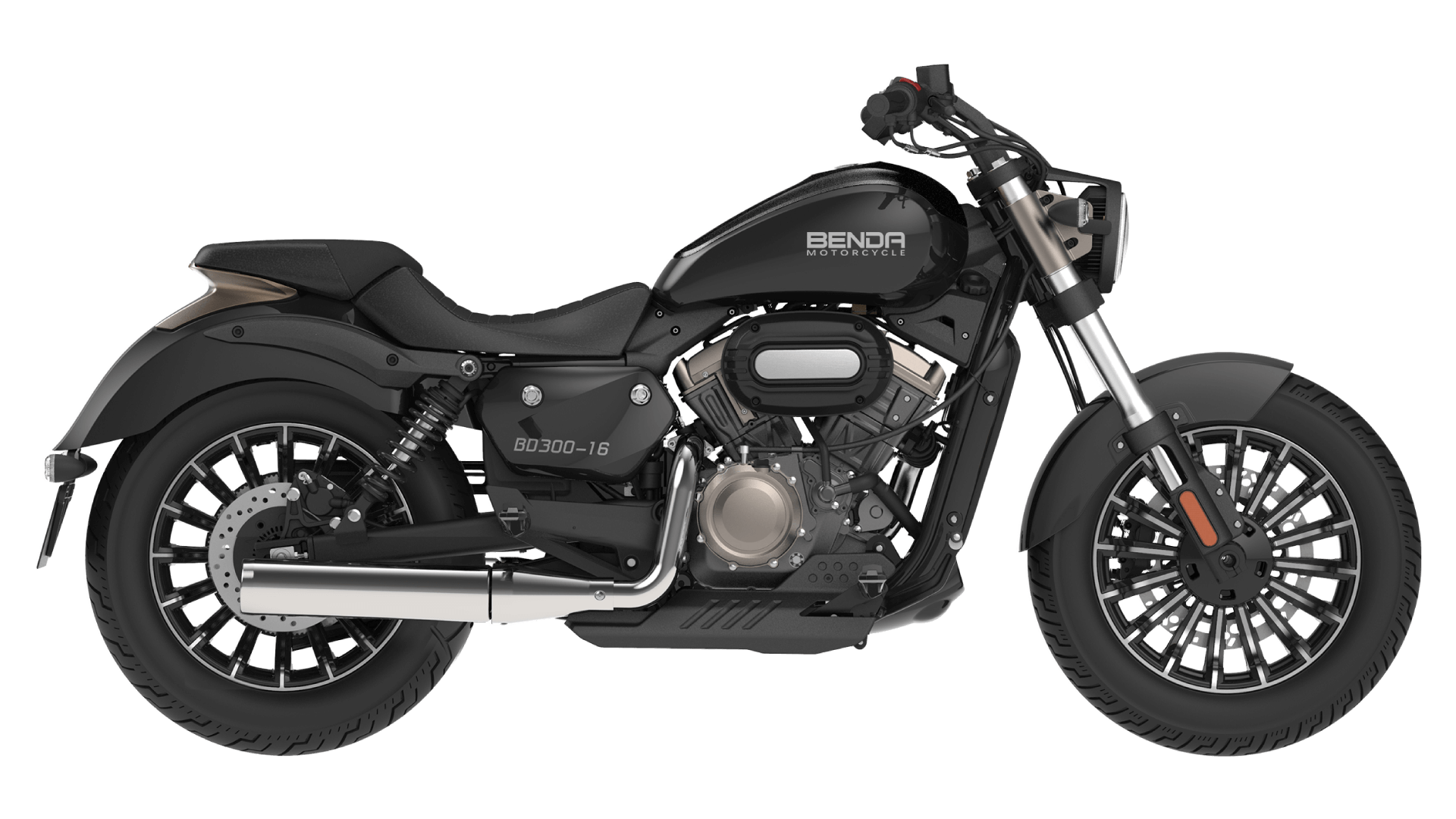
From Paper to Pavement: Smarter Principles for Measuring What You Feel
What’s Next
We move forward by adopting “new technology principles” that read the motorcycle in motion. Modern ECUs, via CAN bus, already log throttle angle, gear position, and wheel speeds. Use that. Build a simple ride protocol: repeated 40–80 km/h roll-ons in 3rd and 4th, steady-state cruising at 90–110 km/h, and a set of off‑camber turns. Record how many meters it takes to reach target speed, and how often traction control intervenes. Pair that with rider feedback on buzz levels (thank you, counterbalancer), brake lever feel, and mid‑corner stability. Then compare runs after small changes—suspension preload clicks, tire pressures, or fuel mapping updates. The point is not lab perfection. It is repeatable, road‑honest benchmarks.
In parallel, compare options head to head. When a sport cruiser bike with ride-by-wire offers adjustable modes, test the same loop in each mode. Time the roll-on, note throttle smoothness, and check exit speed from the same sweeper. Measure comfort by time-to-fatigue rather than a guess. If a bike’s gear ratio spacing forces constant downshifts, note it. If the slipper clutch lets you trail brake deeper without chatter, score it. This semi-formal approach respects both the numbers and the nerves. It is practical, fast, and fair—and it travels well across bikes and roads.
Practical Takeaways: A Rider’s Metric Set for Clear Choices
We learned that peak specs do not predict midrange feel, that geometry is more than wheelbase, and that electronics must help without stealing control. Now, choose with intent. Three metrics guide most riders well: 1) Usable drive in the heart of the revs: measure 40–80 km/h roll-on time in 3rd and 4th, then note traction control events. 2) Chassis calm under load: track mid‑corner line-holding on rough asphalt, after setting sag and preload to your weight. 3) Ergonomics over distance: rate comfort by how long before wrists, neck, or hips complain, not by seat height alone. Add a note on brake feel and ABS transparency, and you have a clear, repeatable scorecard. With this, your next choice becomes simpler, more honest, and kinder to your riding style. For further study of platforms and setups, see BENDA.