Introduction: framing the framework
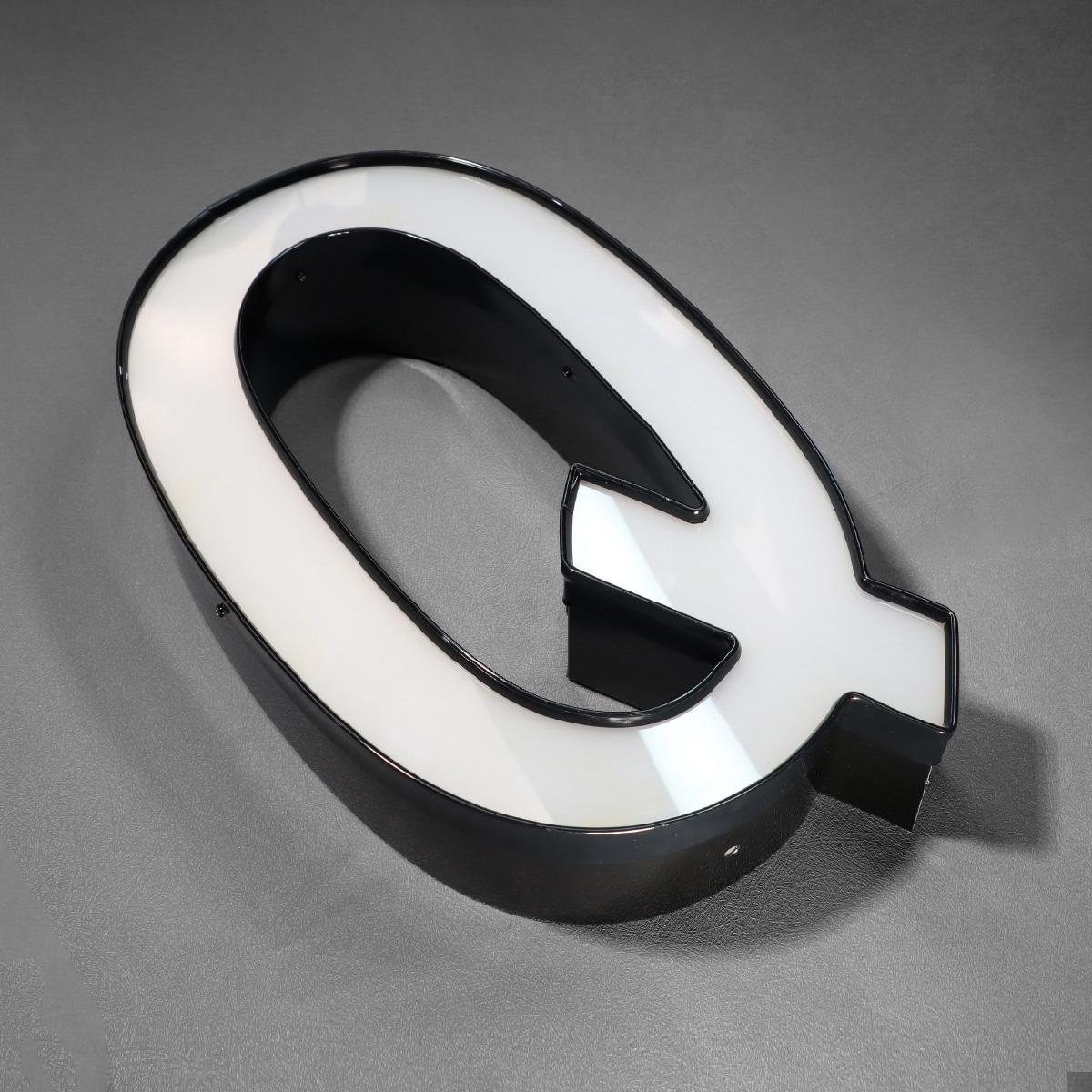
Start with a clear table of contents for the audit: scope, technical specs, sampling, test methods, corrective actions. This piece lays out a reproducible framework contractors can use when auditing suppliers of retail signage—especially for high-visibility components like channel letters. The approach borrows the discipline of a kitchen brigade: precise roles, standardized recipes, and documented timing so finish quality is repeatable across multiple vendors and continents.
Core pillars
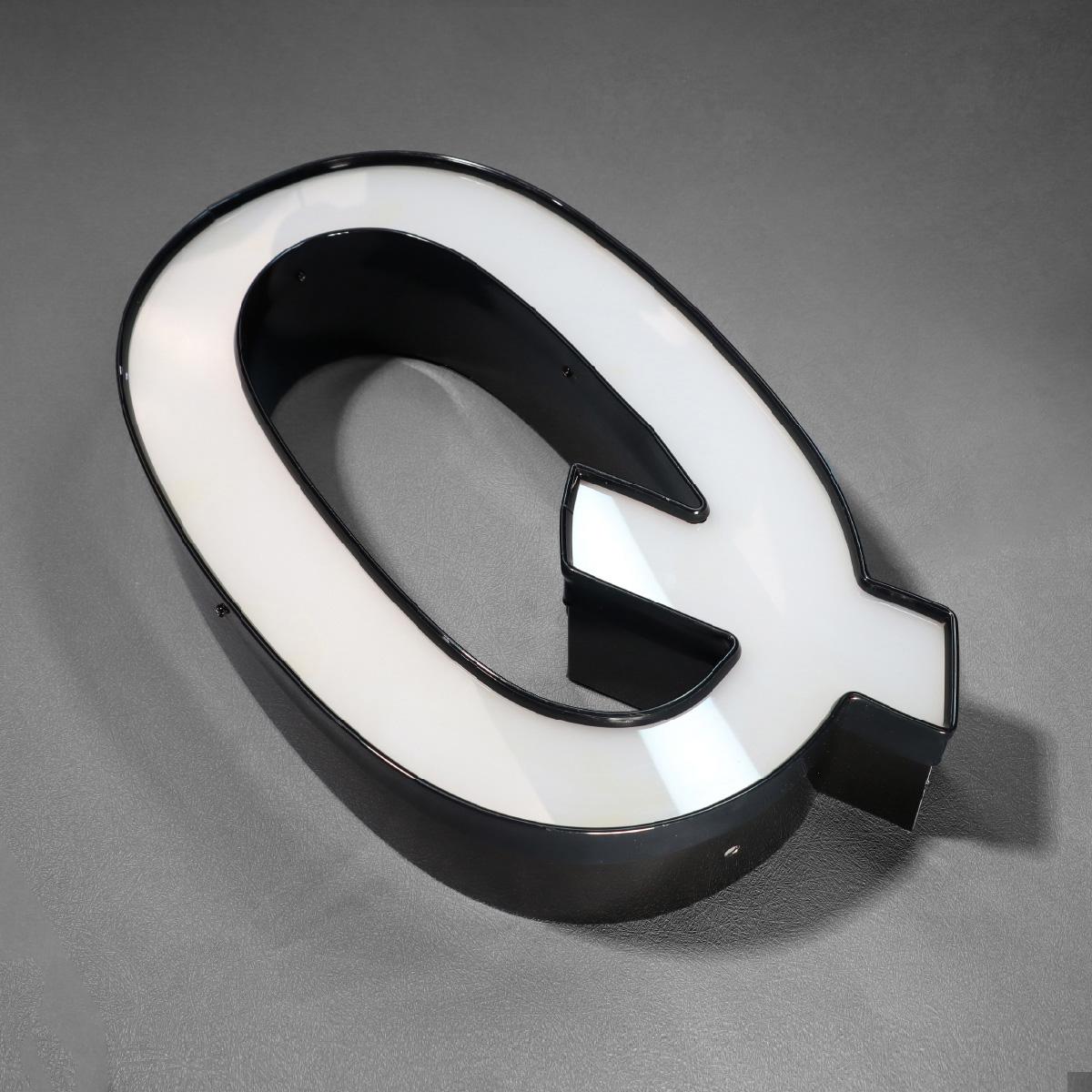
Define five pillars that guide every audit: specification verification, materials & components, process controls, inspection & testing, and logistics & compliance. Each pillar maps to measurable checkpoints. For specification verification, compare vendor drawings against the contract: dimensions, illumination type, IP rating, and mounting strategy. Materials checks include substrate grade, LED bin codes, and corrosion resistance for metal trims.
Specification verification: the mise en place
Treat drawings and BOMs as the mise en place. Verify that vendor samples match CAD files and that tolerances meet the contract. Measure clearances, return depths, and bezel fits in the physical sample. Record lead times and fixed milestones so any deviation is traceable to a root cause. This discipline cuts rework on-site—time saved translates to lower installation disruption for retail tenants.
Process controls and production audits
Audit the vendor’s production lines for repeatability: incoming inspection, inline checks, end-of-line testing. Use a checklist: component traceability, solder quality, silicone sealing for weatherproofing, and final burn-in. Spot-check packaging standards and shock tests that protect illuminated channel letters during transit. A short observation — a 15-minute watch at a critical station — often reveals systemic issues faster than a long desk review.
Inspection and testing protocols
Standardize tests: photometric output, color consistency (CCT/CRI), IPX water ingress, and vibration tests for fasteners. Record lux levels at specified viewing distances and compare to the design intent. Use pass/fail thresholds tied to contract clauses so corrective actions are unambiguous. Document non-conformances with photos and a disposition plan that includes rework deadlines.
Logistics, compliance, and handover
Confirm packaging, packing lists, and freight methods. Verify customs classification and any local permitting requirements for illuminated elements—municipalities often have specific rules for brightness and mounting in districts like Times Square, where signage is part of the urban fabric. Track shipment milestones and retain proof of delivery and inspection upon receipt. If a vendor supplies wholesale channel letters, test a shipping sample to ensure field-ready condition.
Common mistakes and corrective playbook
Contractors often skip upstream verification, assuming prototypes guarantee production quality. That shortcut causes variation—LED binning mismatches, inconsistent acrylic thickness, or improper silicone seals. The corrective playbook: quarantine batches, require rework with photographic evidence, and insist on a follow-up 100% inspection for the next run. Document lessons learned and update the vendor scorecard to influence future procurement.
Vendor scorecard and continuous improvement
Create a numeric scorecard: specification compliance, on-time delivery, defect rate, corrective action responsiveness, and packaging integrity. Use quarterly reviews to drive continuous improvement. Share aggregated results with vendors so improvements are specific—replace vague feedback with targeted metrics and required mitigations.
Advisory close: three golden rules
1) Measure before commitment: require a full-production sample and lab test reports before mass buy. 2) Lock tolerances and acceptance criteria into the contract—no ambiguous language. 3) Insist on traceability for LEDs and fasteners so failures point straight to root cause and corrective action.
Final take: a disciplined, repeatable QA framework protects installation schedules, preserves brand visibility, and reduces retrofit costs—details matter. Cosun Sign. —