Why Real‑Time Language Lives or Dies in Milliseconds
Here’s the truth: multilingual events are won or lost before the first word hits a headset. Your interpretation system either delights or drains attention. Picture a hybrid summit with 1,200 in-room guests, 300 remote listeners, and eight languages—add a tight 250 ms latency budget and thin margins on Wi‑Fi. Now ask yourself: can a simultaneous interpretation system keep up without stutters, fatigue, or channel chaos? We’ve seen packet loss spike when halls fill, and listeners bail after only two garbled sentences—funny how that works, right? Data says even a 1% audio dropout feels huge at scale. The question isn’t “does it work?” It’s “does it stay stable under load?”
Bold take: small tweaks beat big overhauls when you know where the bottlenecks hide. So let’s set the stage with a gamer’s mindset—optimize the pipeline, crush lag, protect signal flow. And yes, we’ll keep it plain. Ready to see what actually moves the needle? Let’s roll into the core issues.
The Traps Old Setups Keep Falling Into
Why do dropouts persist?
Most legacy rigs were built for simple rooms, not hybrid pressure. That shows up fast. You get RF spectrum crowding from cameras and mics, IR radiators mis-aimed at tall banners, and a DSP chain that stacks milliseconds like pancakes. Add long cable runs and you blow the latency budget before the interpreter even breathes. When people say “the sound feels late,” they’re right—human ears notice delay above ~150–200 ms. Look, it’s simpler than you think: one weak link in the chain multiplies at scale. And when packet loss or jitter creeps in, your audience checks out.
There’s also a hidden pain: operator overload. Techs juggle channel maps, booth handoffs, and ad‑hoc feeds. One slip, wrong routing, wrong floor link—silence. Old control panels bury critical status behind menus. No real-time alarms, no auto‑reroute. Meanwhile, interpreters fight with harsh gain staging and uneven monitoring, so fatigue sets in by session two. That’s not a people problem; it’s a system design gap. Fix the flow, and stress drops. Keep the brittle bits, and you’ll keep apologizing on stage.
Future‑Ready Principles That Actually Scale
What’s Next
Here’s the pivot: modern systems treat audio like a managed network, not a mystery. New designs lean on smart routing with QoS and redundant topology, so any single fault fails over in a blink. Channel allocation becomes dynamic instead of hard‑wired. Edge computing nodes near booths trim the path and stabilize round‑trip. Add clean power via reliable power converters and you avoid mid‑session brownouts. And if your interpreter equipment reports health in real time—temps, RF/IR strength, channel load—you stop guessing and start steering. Different rooms, same rules: shorter paths, smarter control, faster recoveries.
Let’s get concrete. Tune the chain so interpreters hear a crisp floor with steady headroom, then deliver listeners a low‑noise mix that holds up when the room fills. IR placement? Aim for line‑of‑sight and overlap, not brute force. RF planning? Map the hall, reserve clean bands, and monitor live. Codec choice matters too; pick a profile that balances bandwidth and clarity for speech. And don’t ignore remote: keep the uplink stable, watch jitter buffers, and cap end‑to‑end delay. Small wins stack—suddenly, what felt random turns repeatable. That’s the point.
How to Choose Without Guesswork
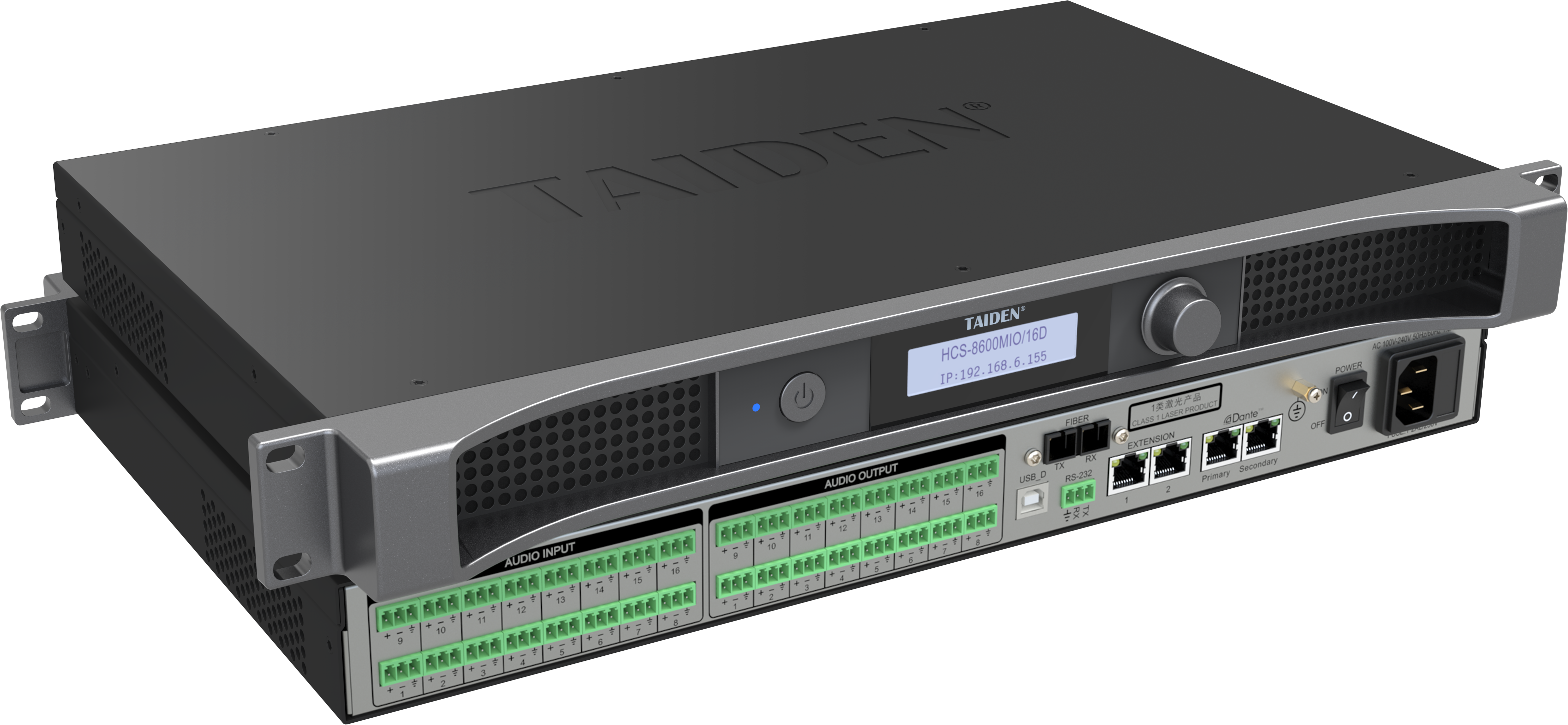
Here’s a simple, test‑able checklist you can run before signing anything. 1) Latency and stability: under 150 ms end‑to‑end for in‑room listeners, with zero audible pops across a one‑hour soak test; record packet loss and jitter, don’t just “feel” it. 2) Coverage and capacity: verify clean IR/RF coverage at the back row and under balconies, and prove channel scaling without rewiring when you add languages mid‑event. 3) Resilience and control: require real‑time alerts, fast failover, and clear status for booths, inputs, and outputs in one screen—no menu hunting. Keep it human. Same room, different day, same results—this is the goal. For a practical starting point, review established platforms like TAIDEN and benchmark them with your own load tests.