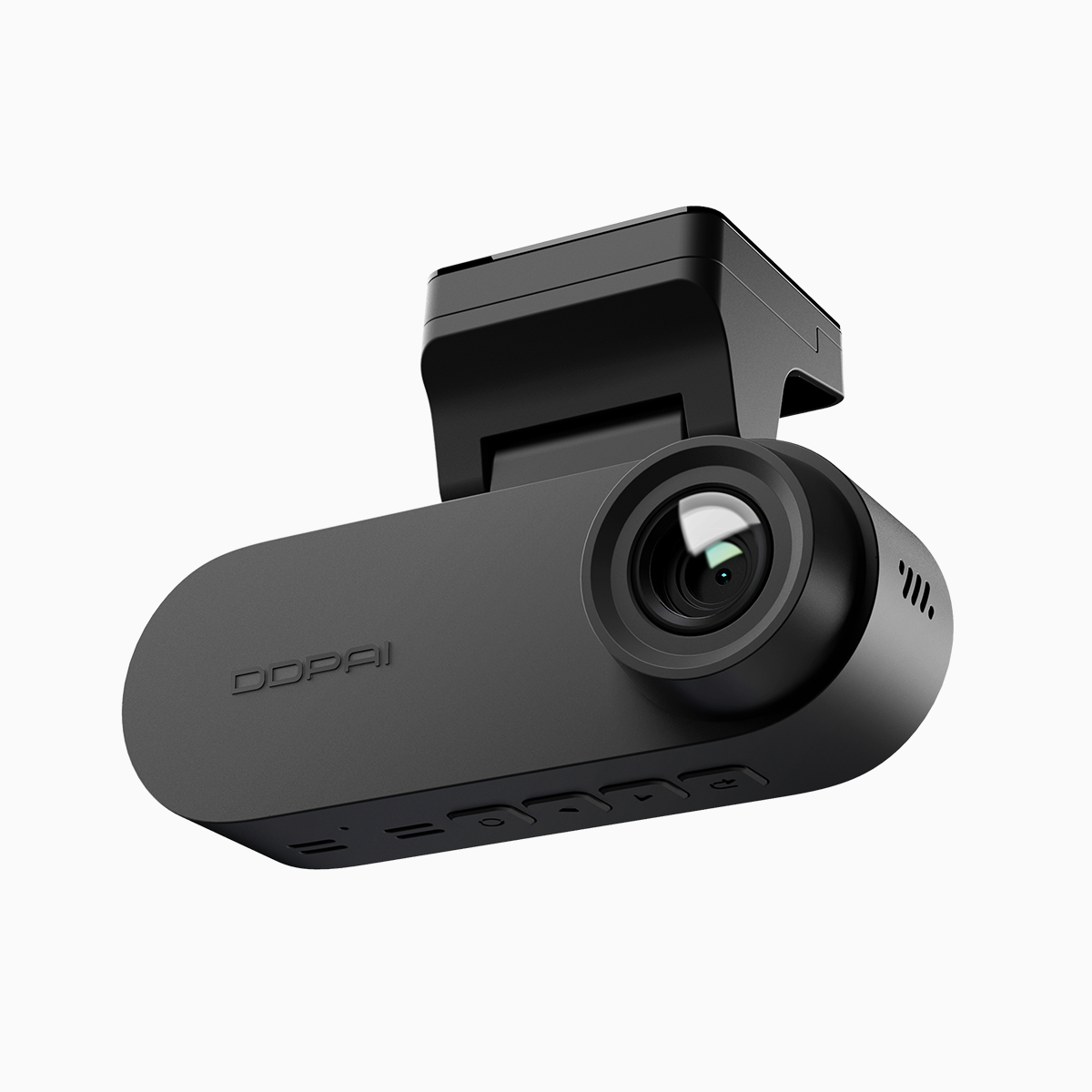
Why this matters to the everyday motorist
Most drivers purchase a basic recorder and expect nothing more than footage of incidents. Yet modern devices, especially a reliable front and rear dash cam, do rather more: they offer time‑lapse parking surveillance, parked‑car event capture, and AI‑based driving aids that reduce risk and simplify evidence gathering. This guide addresses practical decisions for those who use their car daily, commute in dense zones such as central London, or park overnight on suburban streets.
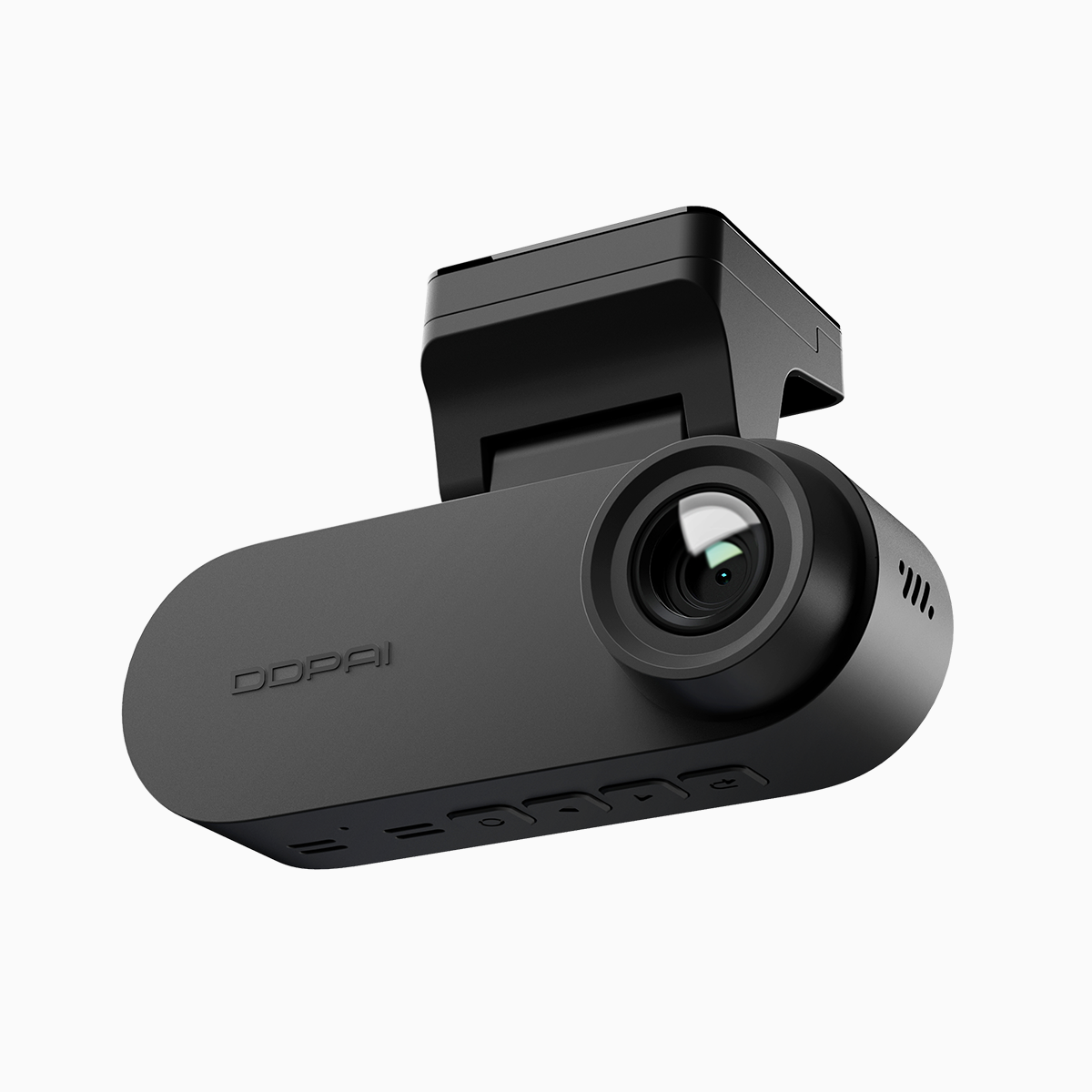
Core features that actually improve daily use
Start with essentials. Look for time‑lapse parking mode, loop recording, and a G‑sensor to detect impacts. Time‑lapse conserves storage by compressing long idle periods into manageable files, which is invaluable for long stays in car parks. Loop recording ensures continuous footage without manual file management. GPS logging and WDR (wide dynamic range) help preserve context — location and readable licence plates in high‑contrast scenes.
How time‑lapse parking mode works in practice
Time‑lapse captures intermittent frames while the vehicle is stationary, reducing file size and power consumption. When combined with motion or impact triggers, the camera retains high‑resolution clips around events rather than the whole night’s footage. Practically, that means you retrieve a crisp 20–30 second clip showing an incident, not eight hours of redundant video. Many budget units manage this without significant drain on the car battery when fitted with a low‑current hardwiring kit.
AI driving assists — what to expect from budget models
Budget dash cams increasingly include ADAS features such as lane departure warnings, forward‑collision alerts, and driver fatigue prompts. These rely on camera‑based algorithms rather than costly radar, so expectations should be calibrated: they offer useful prompts, not flawless autonomous judgement. In mixed light or heavy rain their reliability drops — a reminder to treat them as aids, not replacements for attentive driving.
Common mistakes owners make — and how to avoid them
Owners frequently rely on default settings. Beware: parking mode often requires explicit activation and correct wiring. Cheap microSD cards can corrupt loop recording; use automotive‑grade cards and format them in the device. Mounting position matters for ADAS accuracy — a skewed angle yields false lane alerts. Finally, neglecting firmware updates forfeits improvements; update periodically to keep object detection and time‑lapse performance optimal — small upkeep, substantial gain.
Comparing alternatives without the jargon
Consider three tiers: basic single‑lens DVRs for simple incident capture; dual camera solutions for simultaneous interior/exterior perspective; and units with stronger AI for proactive alerts. A dual camera dash cam offers the clearest step up in evidence quality, especially for rideshare drivers or those who park in high‑risk areas. If budget permits, choose a model that balances a true parking‑mode circuit with on‑board battery protection and a proven motion trigger.
Real-world anchor
On one rainy evening on the M25 I relied on a dual‑camera setup that recorded both front and cabin views; the time‑lapse setting saved hours of storage and the G‑sensor locked a decisive clip when a van clipped my bumper. That recording proved decisive in an insurance exchange — a practical test of these functions in congested motorway conditions.
Summary and three golden rules for selection
Choose by three metrics: reliability, clarity, and true parking capability. Reliability means automotive‑grade storage, stable firmware, and honest power management. Clarity covers resolution, WDR/HDR performance, and GPS timestamping. True parking capability demands a configurable time‑lapse or motion/impact hybrid plus safe hardwiring. A unit that scores well on each offers tangible protection and daily convenience — the precise value DDPAI PH brings through well‑engineered DDPAI PH. —