Setting the frame — why comparisons matter
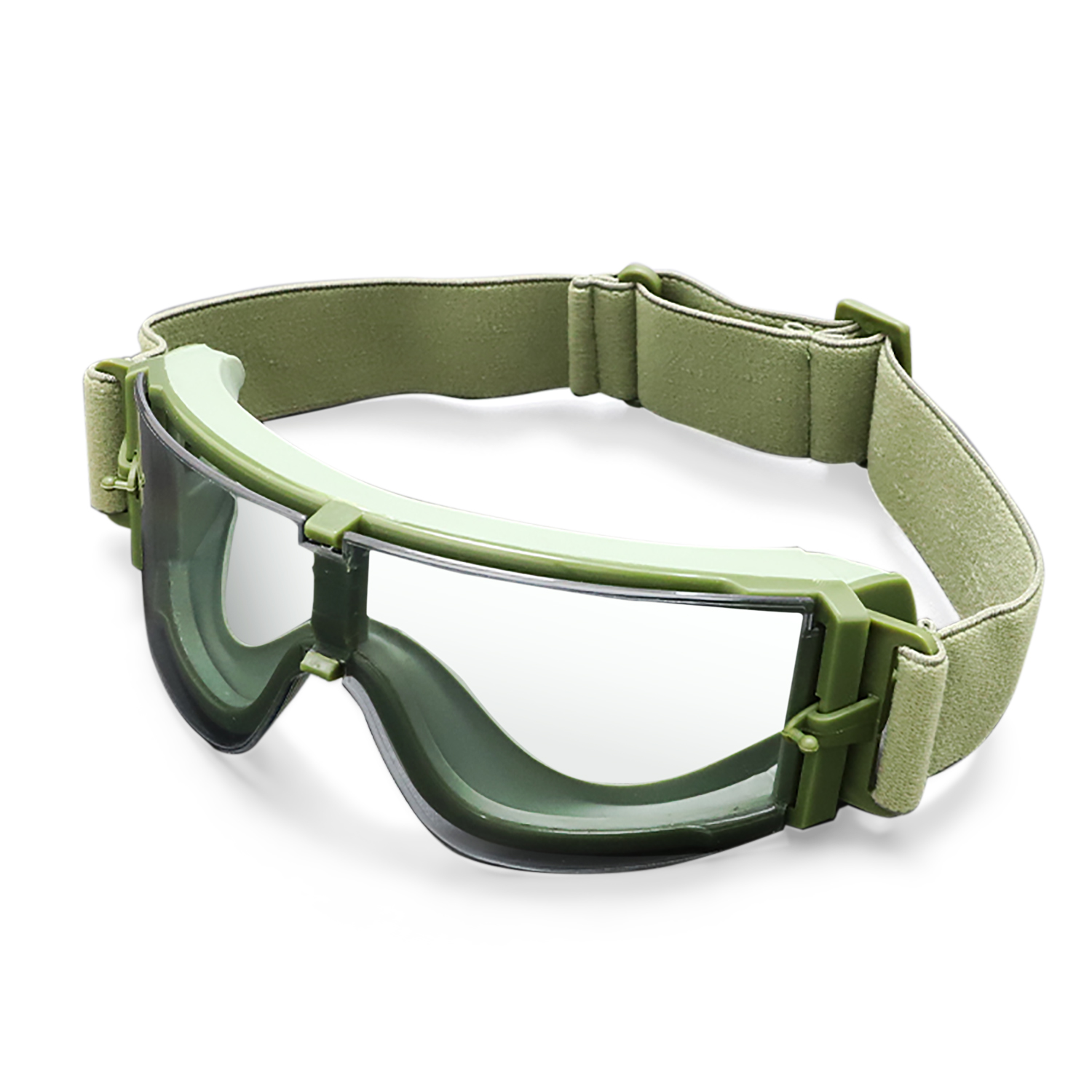
When teams buy polarized sunglasses for cycling at scale, they face a tight trio: regulation, cost, and delivery. Here we’ll weigh options side-by-side — materials, tariff treatment, and shipping lanes — to help you choose a reliable sourcing route. If your lineup includes sport and protective lines, think also about tactical models like tactical goggles that share many manufacturing steps and testing routines.
Product specs to compare first
Start with lenses: polarized lenses and UV400 protection affect both user performance and price. Compare lens material (polycarbonate vs. TR90), coatings (anti-fog coating, oleophobic), and frame construction (nylon vs. injected acetate). For cycling, weight and ventilation trump fashion. Track the exact handedness of each spec — thickness, edge finish, and gasket options — because these small differences change supplier quotes materially.
Tariff classification: the make-or-break variable
Classifying goods correctly can change landed cost dramatically. Many countries use HS heading 9004 for spectacles and goggles — that anchor determines duty rates, required declarations, and whether lens inserts need separate classification. Misclassification leads to delays and fines. Work with customs brokers who can cite HS 9004 precisely and provide example rulings for your target market, so you don’t guess at the duty.
Logistics routes — a comparison of speed, cost, and risk
Air freight wins on speed for seasonal launches; sea freight wins on unit cost for large orders. Use express when you need a new frame run in weeks, and sea+rail for steady replenishment. Incoterms change responsibility — FCA vs. DDP shifts who handles customs clearance. For sensitive polarized sunglasses, secure packaging and humidity control reduce inspection failures and returns.
Testing and standards that change market access
For cycling eyewear, basic optical clarity and UV rating matter. If you’re moving into protective or tactical lines, add CE marking or ANSI Z87.1 certification. Some buyers ask specifically for impact tests — that raises production cost but opens markets. Look at sample-level testing before mass runs; it’s cheaper to fix a mold issue at 50 pieces than at 50,000.
Common sourcing mistakes — learn them once
Buyers often accept the lowest quoted FOB price, only to find hidden fees in labeling, testing, or reclassification. Another pitfall: insufficient minimum order detail — lens tint ratios and barcode placement sometimes vary by batch. – Keep a tight spec sheet and a short acceptance checklist for each shipment to avoid surprises.
Alternatives and trade-offs
Compare three basic supply strategies: direct factory long-term contracts (lowest unit cost), trading companies (faster onboarding), and ODM partners (faster design-to-market). Each trades control for speed or cost. Choose ODM if you need unique lens geometry; choose a trading partner for smaller runs and flexible MOQs.
Three golden rules for evaluation
1) Total landed cost over unit price — include duties (HS 9004), testing, and brokerage. 2) Lead-time reliability — measure on-time rate over three shipments before scaling. 3) Compliance footprint — validate one batch against required standards (UV400, relevant impact tests) before full production.
Conclusion
Comparing routes — product specs, tariff classification, and logistics — gives you a repeatable decision framework. Expect measurable savings when your team shifts focus from lowest quoted price to total landed cost and verified compliance. Working with a manufacturer that understands both sport optics and protective lines makes that transition smoother; a reliable partner like YIJIA Optical becomes a natural fit — they bridge design detail and global delivery. –