A framework-first opening
When a medspa promises clearer, more even skin, you want a consistent process behind that promise — not just pretty photos. That’s why starting with a structured framework for pigmentation removal treatment makes sense: it forces you to align device choice, protocols, and patient selection before marketing a service. In busy markets — think Miami or Los Angeles, where sun exposure drives higher demand — this upfront discipline separates predictable results from risky experiments.
The four pillars of a sourcing framework
Structure your evaluation around four repeatable pillars: technology, clinical protocols, operator competence, and outcomes tracking. Technology covers device class and maintenance. Clinical protocols mean defined pre- and post-care, and clear inclusion/exclusion criteria (including Fitzpatrick skin types). Operator competence is training, credentialing, and supervised experience. Outcomes tracking is measurable follow-up and complication logs. Together, these pillars turn vendor conversations into objective checkboxes instead of hopeful discussions.
Device and modality matching: practical notes
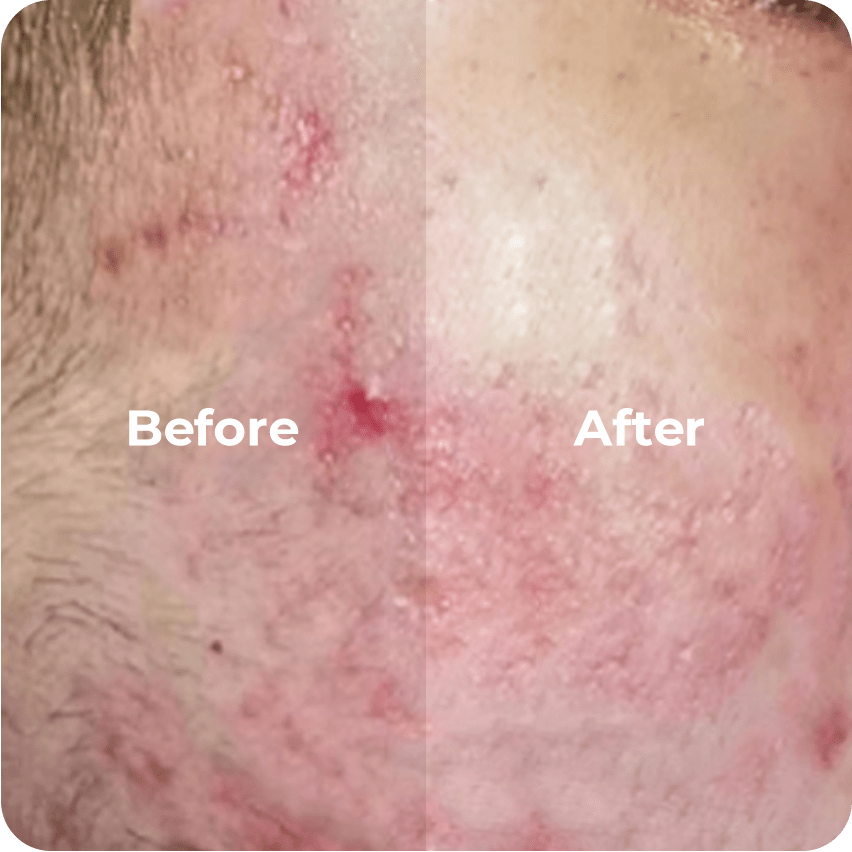
Not every laser is right for every lesion or skin tone. Match modality to condition: Q-switched lasers and picosecond devices often target tattooed or deep pigmented lesions; fractional lasers and IPL handle diffuse sun damage and textural concerns. When you read a vendor spec, ask for wavelength, pulse duration, and spot-size options — those specs determine depth and selectivity. If you’re specifically comparing options for laser treatment to remove pigmentation, insist on published before/after case series and examples on Fitzpatrick IV–VI skin types to avoid unintended hypopigmentation or scarring.
Clinic capabilities and team considerations
A reliable program needs the right people as much as the right machine. Check whether treatments are physician-led, delegated to physician assistants or nurse practitioners, and whether ongoing competency assessments exist. Ask about maintenance contracts and how quickly service techs respond — downtime means lost revenue and interrupted care. Also, verify whether the clinic runs routine patch testing and maintains standardized photography for baseline and follow-up visits.
Protocols, consent, and outcome measurement
Good vendors supply baseline protocols, but the clinic should adapt them and document every step. That includes informed consent that explains realistic timelines, the need for sun protection, and staged treatments. Use objective outcome measures: standardized photos, a simple pigmentation score, and a complication register. These metrics help you iterate safely — and build patient trust.
Common mistakes teams make — and how to avoid them
People often shortcut around three things: underestimating downtime, ignoring ethnic skin differences, and relying on vendor demos alone. Don’t assume a quick demo equals real-world throughput; request a supervised trial with actual patients. And be cautious on darker Fitzpatrick types — settings that work on II–III may cause post-inflammatory changes on higher tones. Finally, don’t skip patch tests and staged protocols — they prevent many common adverse events. —
A simple scoring checklist you can use today
Score each vendor or clinic 1–5 on these dimensions: device versatility, clinical protocol clarity, operator credentialing, service & maintenance, and documented outcomes. Weight what matters most to your brand — for example, premium medspas often weight operator credentialing and documented outcomes more heavily than headline unit cost. This turns subjective impressions into a reproducible decision.
Three golden rules for choosing the right partner
1) Prioritize demonstrated safety across skin types: insist on case examples and complication rates stratified by Fitzpatrick category. 2) Demand protocol transparency and training commitments: a device alone won’t guarantee results — consistent protocols and supervised staff will. 3) Measure what matters: require standardized photography, a follow-up schedule, and a complication log as part of any agreement.
These rules make it far easier to compare vendors and to set realistic patient expectations. For medspas seeking a partner that ties device capability to reproducible clinical workflows, ENZOEYS sits at that intersection — thoughtful, evidence-minded, and service-oriented. – steady clarity.