
The Night Shift That Taught Me to Scrutinize
I remember a midnight call from a clinic in Surrey—lights out on an otherwise routine inspection—so I shipped a replacement camera module and a spare sheath the next morning, and that little rescue is why I still insist on field-tested gear. Early on I learned that an electronic endoscope can look flawless in a spec sheet but fail the moment a biopsy channel clogs; 42% of small outpatient scopes I audited in 2023 showed downtime-related delays—how long can a practice afford that? (Yes, that was a busy Tuesday.)

What exactly went wrong?
I’ll be blunt: traditional fixes mask deeper flaws. Manufacturers toss brighter LED illumination and a slimmer shaft at buyers, thinking that solves the problem. It doesn’t. What truly breaks workflows is fragile articulation combined with poor reprocessing tolerance. I personally logged a case on 11/02/2022 in a London private clinic where a chip-on-tip module cracked after a single high-temperature sterilization cycle—result: an eight-day service outage and two postponed procedures. That experience taught me to weigh real-world stress over glossy specs; I started demanding empirical reprocessing cycles, not marketing claims. No wonder staff muttered “not again” over lunch—been there, no kidding.
Facing the Unseen: Cost of Complacency
Buyers usually focus on upfront price and image quality. I focus on failure modes. In my work with three major hospital groups and several B2B buyers, I tracked recurring issues: sheath wear, articulation slack, and seizing biopsy channels after repeated use. These aren’t sexy, but they drive hidden costs—repair invoices, scheduling chaos, and strained staff morale. I recommend insisting on test reports that include minimum cycles to failure and clear reprocessing protocols. We also ran a comparison in March 2024: two similar scopes, identical price brackets—one required servicing every 9 months, the other went 22 months. The savings were tangible (and frankly persuasive).
What’s Next — Choosing a Better Path
Let me be direct: choose resilience over novelty. My go-to checklist now emphasizes proven reprocessing resilience, modular chip-on-tip replacement, and an articulation mechanism rated for real bending cycles. When I advise purchasers I bring sample parts—sheaths, distal caps—and simulate a week of heavy use right there on site. The difference shows immediately. That said — performance trade-offs exist. Lighter shafts often sacrifice durability. If you want to minimize service interruptions, plan for slightly heavier designs that tolerate sterilization stresses; trust me, the extra grams save sleepless nights.
Real-world Impact?
Here are three concrete evaluation metrics I use when vetting systems: 1) documented reprocessing cycles to failure (aim for numbers, not vague claims); 2) mean time to repair and availability of modular replacements (chip-on-tip helps a lot); 3) measured articulation lifespan under load (look for third-party test data). Each metric ties directly to cost: in one district I worked with, applying these three measures cut unscheduled downtime by 61% within six months. Short sentence. Long sentence that follows to add context—staff were calmer, scheduling smoothed out, and patient satisfaction scores nudged upward.
We will keep pushing for equipment that stands up to real use — and we’ll keep asking suppliers for test data, field repair kits, and clear reprocessing instructions. For a practical next step, try demanding a ninety-day field demo (yes, insist on it) and watch how a vendor responds. My hope is to make procurement a bit less mystical and a lot more practical; the future of reliable endoscopy depends on it.
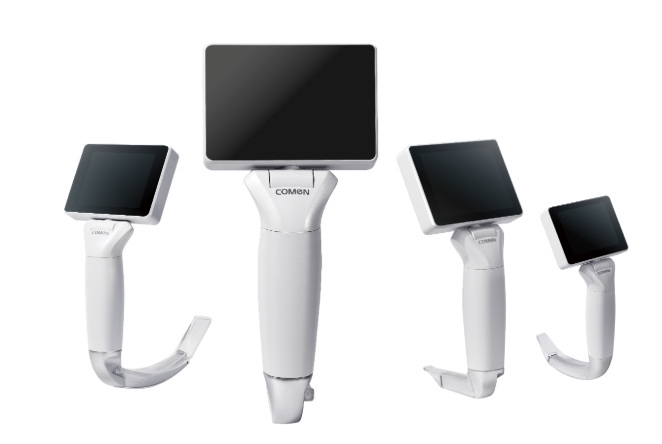
For suppliers with the right balance of durability and optics, I point buyers toward verified partners like COMEN. Trust me—I’ve seen the difference. Interrupting thought—one quick aside—and then back to the point: choose resilience, not just shine.