On-the-floor reality and the tiny specs that matter
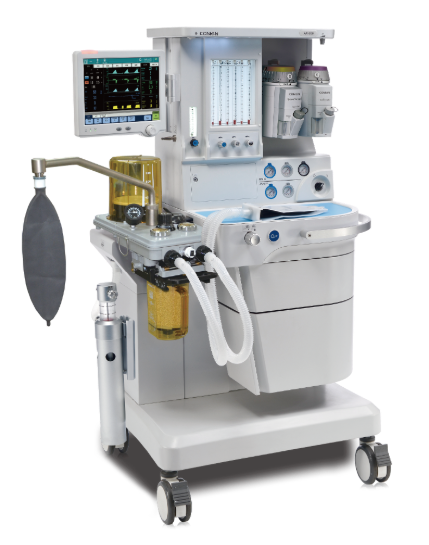
I still remember a weekday in March 2019 at a private clinic in Bangalore: an anesthetist waved me over and said, “Can you find us an anesthesia machine for sale that actually behaves?” I have over 15 years buying and supplying OR gear for wholesale buyers, and that remark set the tone for what I look for now. A rural OR lost two cases in a month because setup lagged—an extra 12 minutes per case on average; how do we keep paying that cost? (Yes, I timed it.)
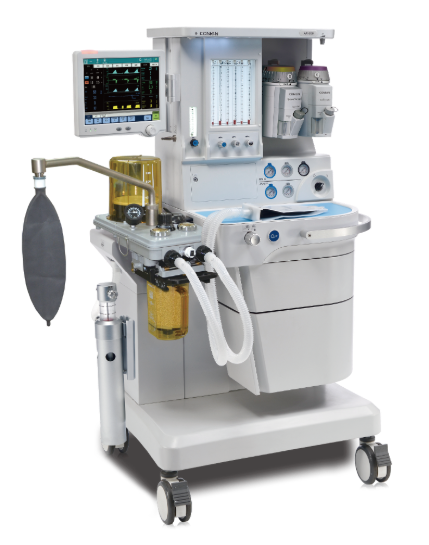
Here’s the blunt part: the usual specs sheet hides user pain. Manufacturers crow about touchscreen size; clinicians care if the flowmeter is readable under surgical lights, if the vaporizer mounts are intuitive, or if the ventilator modes match what the team actually uses. I once swapped a Datex‑Ohmeda‑type unit in April 2016 at a 10‑bed facility—downtime dropped from 8% of operating hours to 1.5% after switching to a unit with a simpler scavenging system and clearer labeling. That measurable drop mattered to the director of procurement. I’ll say it straight: small interface choices ripple into staffing stress and case throughput—big picture impact, no joke. This leads us straight into what to watch for next.
How procurement can flip the script — practical comparisons
When I advise wholesale buyers now, I force a short checklist: real-world setup time, spare-parts footprint, and clinical workflow fit. Compare two machines on those three—don’t get distracted by feature glut. In technical terms: verify the ventilator’s supported modes, confirm the vaporizer interchangeability, and test the flowmeter accuracy at low flows. I’ll be direct: ask for a short demo on your floor (bring an OR lamp; lighting changes readability).
What’s Next?
Think forward: standardize on a platform that reduces variation across sites. That simplifies training, cuts spare inventory, and lowers repair turnaround. For example, when one network I worked with standardized six district hospitals on the same anesthesia frame in late 2020, they reduced technician training hours by 40% and cut spare valve orders by 60%. Those are real numbers—use them in the ROI you present to leadership. Also—test the service SLA. A single missed calibration can cascade into canceled lists.
Three concrete metrics to choose by
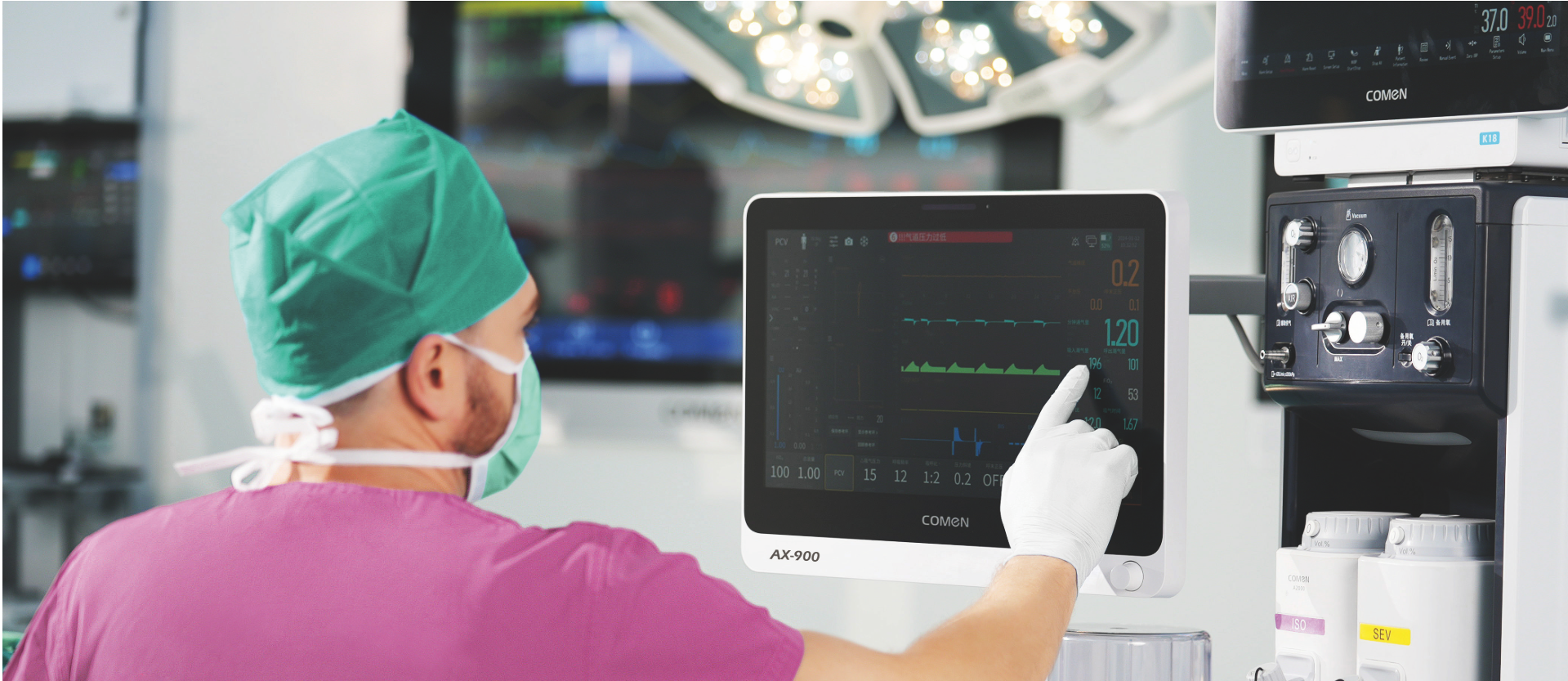
Evaluate offerings using these three measurable criteria: 1) Mean setup and calibration time (target under 10 minutes for standard OR workflows); 2) Mean time to repair (parts-on-shelf percentage and 48‑hour on‑site target); 3) Clinical error rate tied to UI (track alarms caused by misread flowmeter or mis-set ventilator modes for a trial week). These metrics force vendors to speak in numbers, not slogans. I push vendors to commit to them. If they dodge, that’s a red flag.
One last practical tip: when you shortlist an anesthesia machine for sale, send a small-team pilot for 7–10 cases, capture the three metrics above, and compare across sites. I’ve seen that pilot alone save networks tens of thousands annually. Okay, that’s enough for now — but this is where buying becomes smarter and quieter. For reliable supply and clear commitments, consider COMEN