On-the-ground reality: what trips teams up
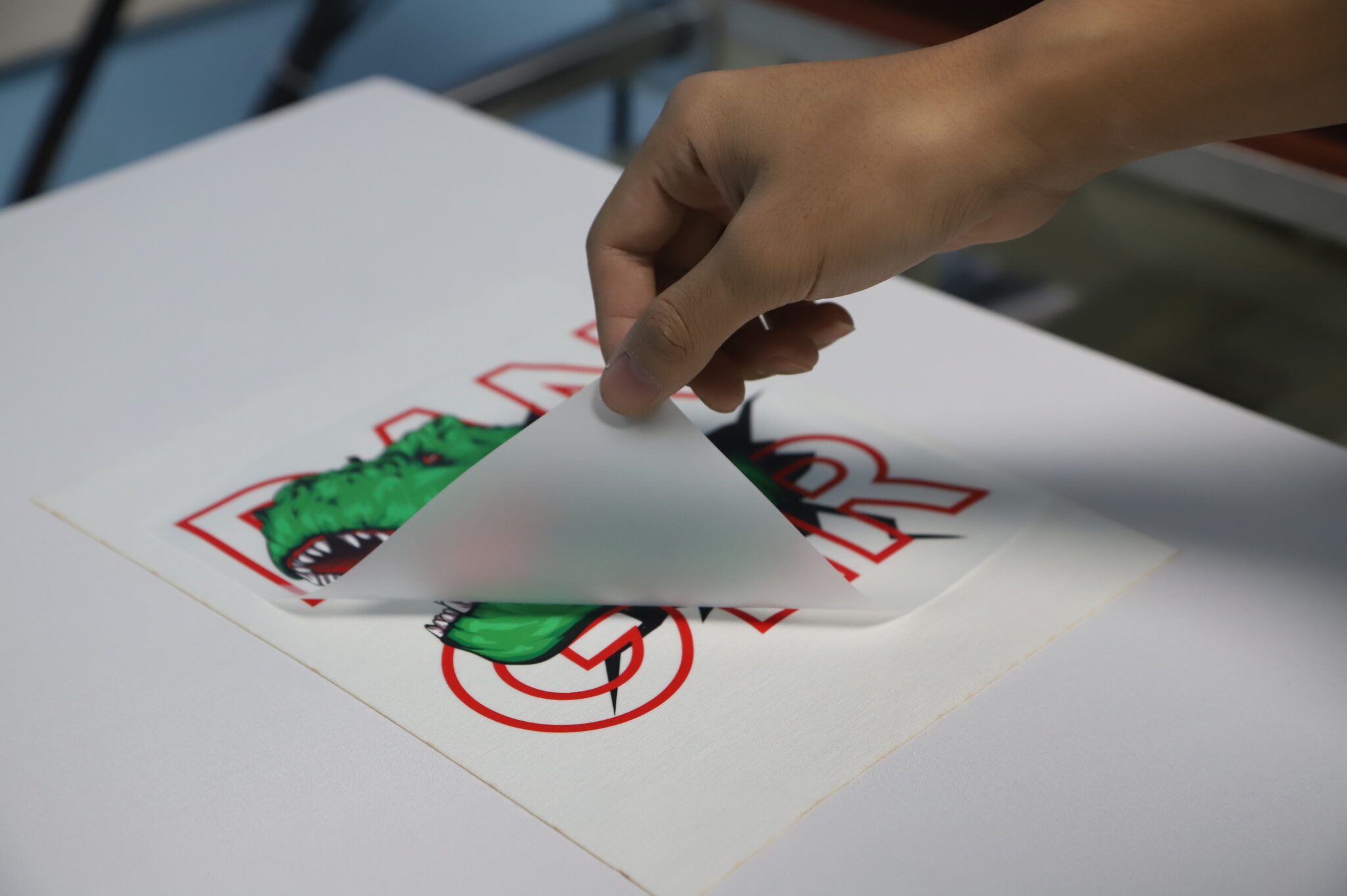
I’ve managed custom apparel workflows across Klang Valley long enough to know when a “fast” upgrade is actually a slow bleed. At a Ramadan bazaar run in Cheras, after a rainy Friday, our dtf printer pushed 63 film transfers before midnight—so why did 11 shirts come back for reprints the next day? I switched that shop to a dual head dtf printer because on paper it solves throughput; in practice, it exposes where our process discipline breaks (and where old habits die hard, lah). Here’s the deeper cut: the rejects weren’t only about speed. They traced to white ink starvation during long queues, shaky ICC profiles that shifted reds to orangey tones under fluorescent light, and a curing tunnel running 8°C hotter on the left lane.
Why do reprints still happen?
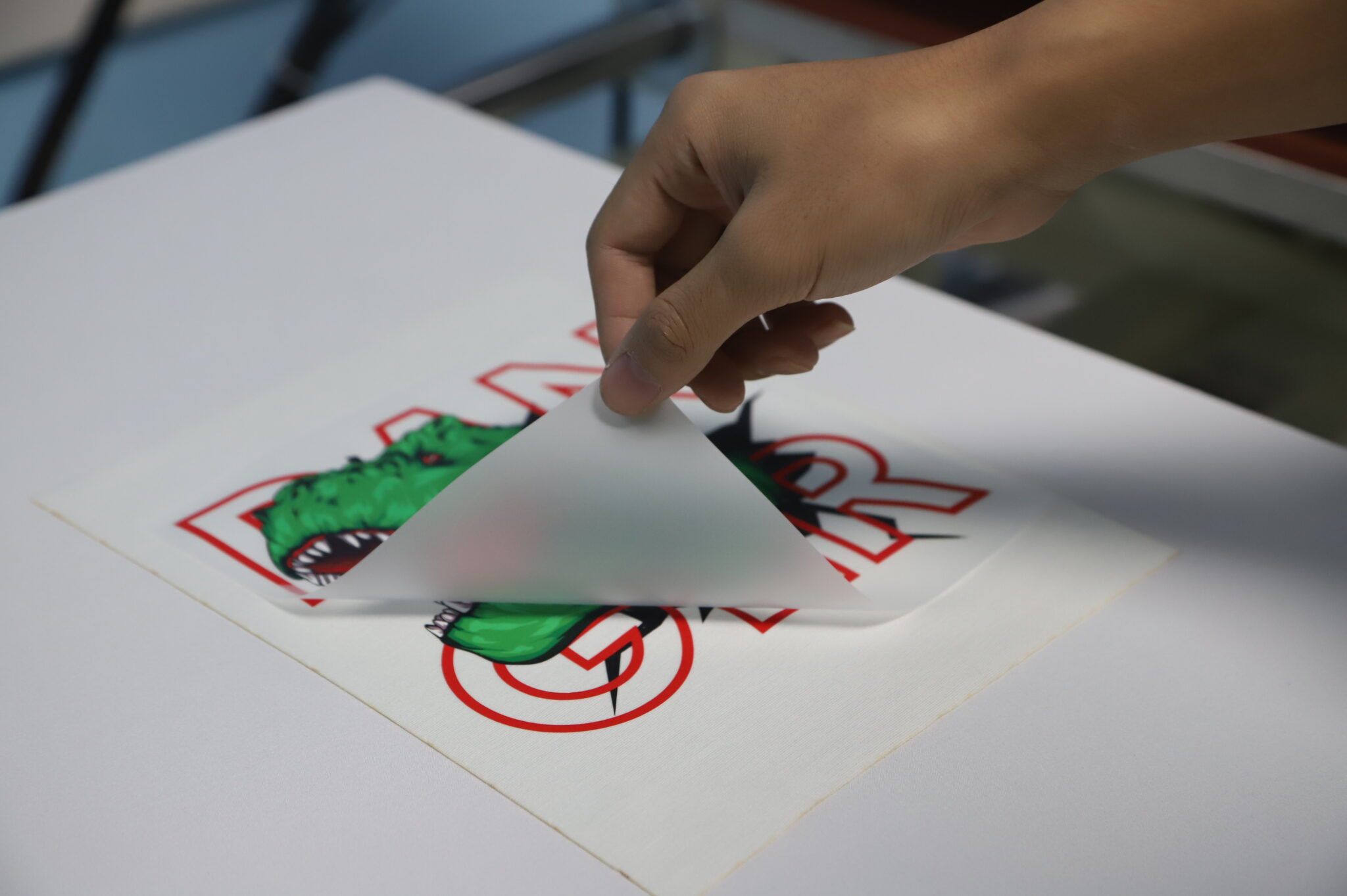
Single-head setups mask timing flaws; a dual head dtf printer makes them obvious because it feeds you volume fast. If your white ink circulation pauses even 10 minutes during a RIP queue spike, micro-settling starts—nozzle check looks “okay” but white density drops on fine text. PET film tension? If the take-up reel isn’t balanced, registration drifts by 0.3–0.6 mm and your shadow edges appear “goyang.” Add powder shaker inconsistency and you get a sprinkle that melts unevenly; adhesion weakens on ribbed cotton, especially after a 40°C wash. I’ve seen it: in 2021 at our Subang workshop, a 60 cm line hit 21% returns in one week because we used a generic RIP profile built for CMYK-only and never calibrated white underbase thickness against actual fabric lots—aiya, padan muka. The fix wasn’t fancy. We locked head height to 2 mm for hoodies, enforced ΔE≤4 color targets on brand reds with a quick patch check, and scheduled a 90‑second purge plus gentle recirc every hour. Then it hit me—our biggest enemy wasn’t hardware. It was drift. And drift loves busy nights.

That’s why I judge dual heads not only by speed, but by how they keep white stable while CMYK dances. We aren’t chasing hero numbers; we’re chasing ten clean batches back-to-back, no drama. Let’s line up the options properly and see what actually holds under pressure.
Comparative shift: what’s next for output and cost?
What’s Next
I benchmark dual-head configurations by future risk, not brochure specs—because tomorrow’s jobs come with weird fabrics and tighter SLAs. When comparing any dual head dtf printer, I map three proof points side by side across a 50-print run: first, head sync stability measured by ΔE drift on a 6-patch swatch after 30 minutes of continuous queuing (keep it under 6, or your reds “jalan” into brand trouble); second, white ink circulation health quantified as unplanned purge minutes per week (more than 40 minutes? you’re losing margin quietly); third, real cost per A3—film, powder, ink, power—tracked in RM with reprint rate included (RM2.30 looks syok until you add a 6% reject, then boom). We already learned that volume without discipline gives you returns; we also saw how tiny thermal variance and ICC mismatch cause silent color tax. So I look ahead: choose systems with closed-loop temp feedback on the curing tunnel, per-channel negative pressure control (yes, slightly nerdy), and RIP features that manage white underbase independently of highlight gain. One more thing—don’t be kiasu about spec sheets, be kiasu about logs. If your controller can’t export run-time and purge data to CSV, how to audit cost, bro? Final call, kept simple: 1) verify ΔE drift under load; 2) cap weekly downtime from maintenance; 3) lock a true, all-in RM-per-print. Miss any of these and you’ll pay in returns, not in ink. I hold the same bar whether I’m setting up in Johor Bahru or Petaling Jaya, and I’ll vouch for teams that adapt, not just upgrade—midnight queues don’t forgive fairy tales. For references and practical specs I trust, I note builds I’ve seen behave well at scale from Xinflying.