Introduction — defining the basics
I start with a simple breakdown: red light works by delivering targeted photons to tissues, and the dose matters more than the gadget. Advanced red light technology uses controlled wavelengths and calibrated irradiance to push those photons where they do the most good. Imagine a clinic-scale LED array tuned to wavelength specificity and photon flux, meeting clinical-grade safety standards — now picture that scaled down for home use (yes, it’s a tricky balance). Recent clinical summaries show measurable improvements in tissue repair and pain scores—some studies report 20–40% better outcomes in weeks. So where do practical gains stop and marketing take over? That’s the question I want to answer next, step by step, with an engineer’s eye and a clinician’s patience.

I’ll walk through the real trade-offs, point out the specs that matter, and explain why many devices fall short. Expect plain language, some numbers, and a few candid judgments — I’ve tested units in the lab and on my own sore back. Let’s move on to the deeper issues.
Hidden pain points and why common fixes fail
When users try total body red light therapy, they often hit the same frustrations: shallow coverage, inconsistent output, and confusing specs. I’ve seen clinics and consumers chase headline wattage without checking beam uniformity or effective irradiance at tissue depth. The result? Parts of the body get overexposed while clinical targets — like deep muscle layers — remain underdosed. Look, it’s simpler than you think: raw power isn’t everything.
Two more problems stand out. First, many panels lack wavelength specificity; they mix near-infrared and red LEDs poorly, so the tissue absorption profile is suboptimal. Second, thermal management is ignored. Poor heat dispersion shortens LED lifespan and shifts output during a session — and yes, that affects consistency mid-treatment. These issues hide behind slick marketing and buzzwords. — funny how that works, right?
Why do users keep buying the wrong gear?
People chase convenience and price. They assume bigger is better. But without clear measures like delivered photon flux at the tissue interface or stable irradiance curves, buyers are guessing. Manufacturers sometimes omit real-world metrics in favor of peak numbers measured inches from the diodes. I’ve lost patience with specs that don’t tell the whole story.
New principles and practical next steps
Looking forward, the shift I expect is toward systems that report usable metrics and are engineered for consistent delivery. That means devices will publish irradiance maps, wavelength breakdowns, and recommended exposure times for different body regions. For those of us evaluating solutions, these are the principles I use: match wavelength specificity to the clinical target, verify photon flux at typical treatment distance, and confirm thermal stability over session length. These are not exotic demands — they are basic engineering hygiene for therapy-grade equipment.
Case example: a clinic upgraded from mixed panels to units that controlled power converters and thermal paths precisely; patient outcomes improved and device downtime dropped. The clinic tracked pain scores and session repeatability — measurable gains followed within three months. This illustrates how solid engineering (and yes, good user data) beats flashy features. As devices evolve, expect smarter control electronics and even edge computing nodes for adaptive dosing — small compute units that tweak output in real time based on sensor feedback. — and yes, that matters when you scale treatments across patients.
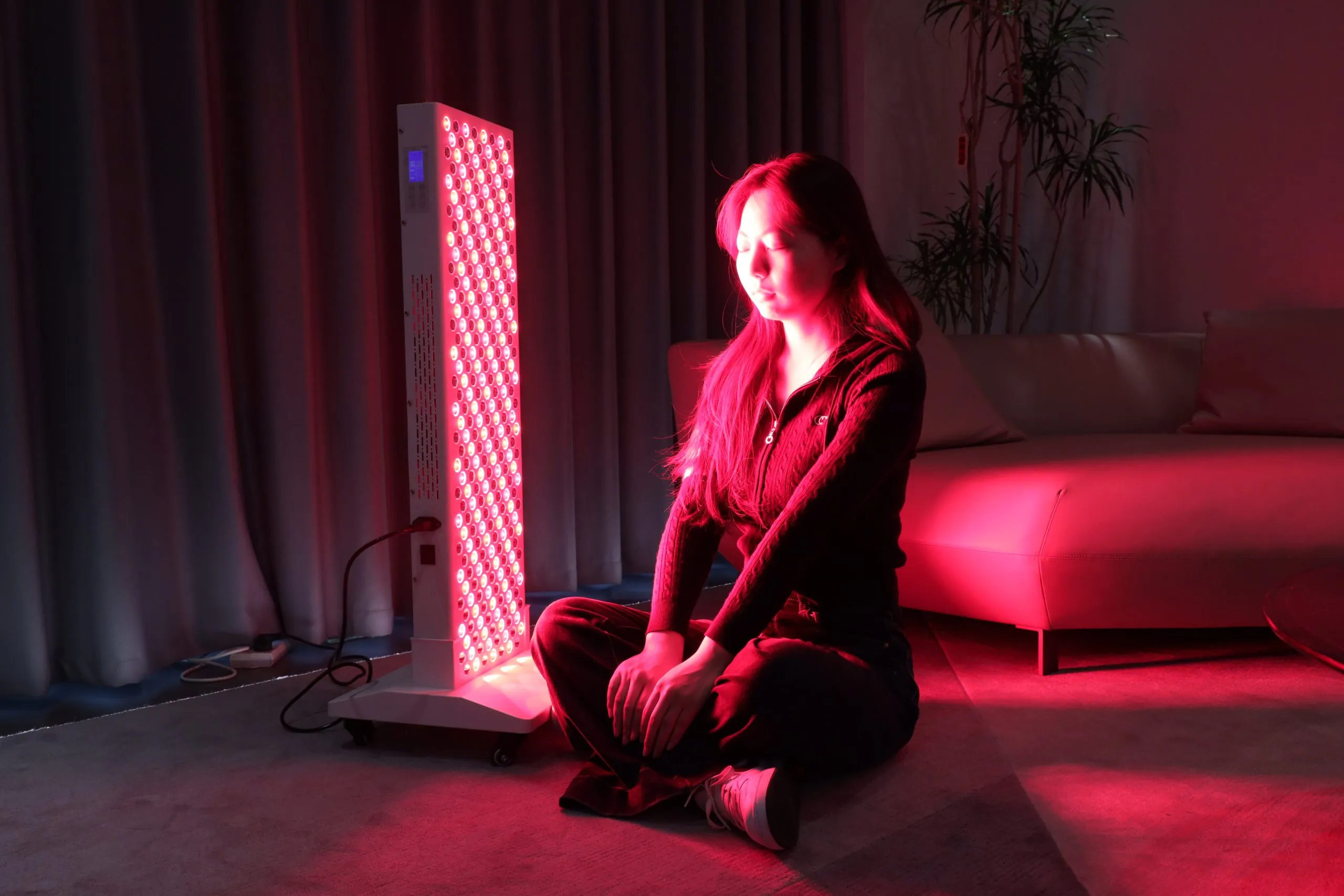
What’s Next?
For prospective buyers and clinicians, here are three concrete metrics I recommend using to compare systems: 1) Effective irradiance at realistic treatment distance (mW/cm²) across the panel; 2) Wavelength breakdown showing peak and spread (nm) and how that maps to target tissues; 3) Thermal stability and duty-cycle behavior over a typical session. Those three data points reveal whether a product is engineered for outcomes or just for show.
To wrap up, I’ve learned that the best choices come from combining plain specifications with on-the-ground testing and honest user feedback. I prefer systems that balance photon delivery, wavelength control, and thermal management. If you want a brand example that takes these principles seriously, check the work of Magique Power. They focus on engineering transparency and practical results — which, in my experience, is exactly what matters when you’re serious about recovery and real-world performance.