A framework-led opening for busy clinic owners
When you decide to add a premium device to your service mix, the question isn’t just “which machine?” — it’s “how will this fit into the practice?” This piece lays out a clear framework to help clinic owners integrate a high-end laser hair removal treatment and skin rejuvenation platform into existing workflows without bringing the front desk or the treatment room to chaos. I’ll walk through assessment, procurement, training, clinical protocols, and operations — with practical notes on device types like diode, alexandrite, and Nd:YAG so you can talk specs without feeling lost.
Step 1 — Define the clinical value and target patient journeys
Start by mapping the patient journeys you want to influence: first consult → patch test → treatment series → maintenance. Which conditions will you treat (hair reduction, vascular lesions, pigmentation, skin resurfacing)? That choice drives device selection and session length, influences ROI, and sets patient expectations. Think in terms of outcomes (e.g., long-term hair reduction) and touchpoints — booking, consent, pre-treatment photos — then connect them to staffing and room availability.
Step 2 — Match device capabilities to workflows
Not all devices fit every clinic. Diode lasers are efficient for high-volume hair reduction; Nd:YAGs handle darker skin types; alexandrite works well on light to olive phototypes. Consider key specs: wavelength, fluence, pulse duration, and spot size. These determine session time, comfort, and side-effect profile. Look for FDA-cleared platforms and robust service contracts — uptime matters as much as peak performance. Clinics in major metropolitan areas like New York and London often standardize on two complementary wavelengths to cover a broader patient base.
Step 3 — Staffing, training, and clinical governance
Training is non-negotiable. You’ll want a mix of vendor-led device certification and internal competency checks tied to written protocols. Define who signs off on treatment plans and who performs the device operation. Build a simple competency log and schedule annual refreshers. Include a clear escalation path for uncommon adverse events — bruising or paradoxical hypertrichosis — and run mock scenarios. Over time, you’ll see treatment speed and safety improve; but early on, expect longer appointment slots until teams gain confidence.
Step 4 — Workflow design: rooms, scheduling, and throughput
Design the appointment blocks around realistic treatment times. A full-leg diode session may need 60–90 minutes including prep; smaller areas are quicker. Reserve buffer slots for patch tests and immediate post-treatment care. Consider dedicating one room to laser services to centralize consumables and PPE. Inventory control matters: ensure stock of cooling gels, eye protection, and disposables — and tie reorders to a simple weekly check so you don’t scramble before a busy weekend.
Step 5 — Marketing, pricing, and patient communications
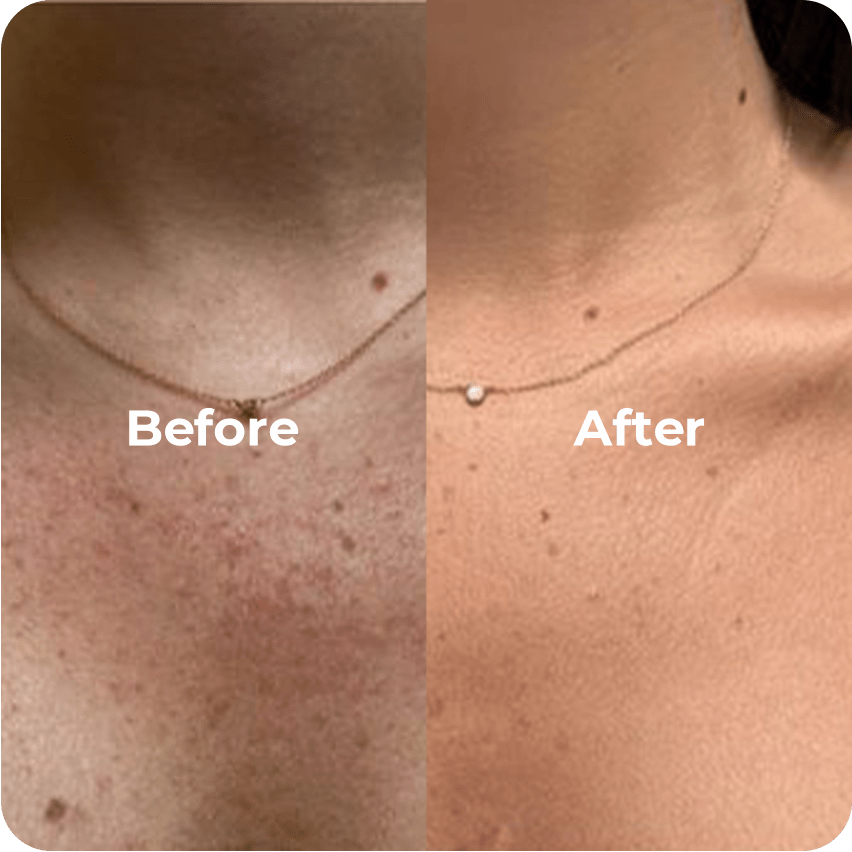
Position the new service clearly: is it premium, value-driven, or transformational? Transparent messaging about expected number of sessions, downtime, and homecare builds trust. Offer introductory packages tied to follow-up adherence — patients who commit to a series are likelier to return for maintenance. Use before/after galleries and standardized photography in consultations to set realistic expectations. Also clarify language around permanence: “long-term reduction” vs. “permanent removal” — and if you reference permanence, back it up with your clinical protocol and device class to avoid miscommunication.
Common mistakes clinics make — and how to avoid them
Clinics stumble when they rush procurement, skip hands-on device trials, or underestimate consumable costs — and all three hit margins fast. Another trap: assuming one wavelength suits all. — A blended approach or dual-platform strategy often yields better outcomes across diverse skin types. Finally, don’t treat training as a checkbox; competency evolves with case volume, so plan ongoing mentoring and QA reviews.
Real-world anchor: standards and safety
Use the real-world anchor of regulatory clearance and established device classes. FDA-cleared systems and published device parameters give you a baseline for safety and efficacy; clinicians also rely on evidence-based protocols when combining hair reduction with skin rejuvenation. Many urban practices that adopted diode-based platforms report smoother throughput and predictable maintenance schedules, which is a useful operational benchmark when planning staffing and room allocation.
Alternatives and service bundling
If capital purchase isn’t the right move, consider leasing, revenue-share models, or partnering with a nearby dermatology practice for cross-referrals. For clinics focused on lighter-touch investment, intense pulsed light (IPL) can cover some skin-rejuvenation indications but differs in mechanism and results. Whatever you choose, align device capability with your service promise — and if your promise is long-term hair reduction, ensure clinical messaging and follow-up support match that claim: laser treatment for hair removal permanent.
Summary and workflow checklist
Quick checklist to carry forward: 1) Map patient journeys and desired outcomes. 2) Match device specs (wavelength, fluence, pulse duration) to skin types you serve. 3) Build training and QA into onboarding. 4) Design room and scheduling templates tied to real treatment times. 5) Standardize patient communications around realistic results and maintenance. These steps turn a shiny purchase into a scalable service.
Advisory close — three golden metrics to evaluate success
1) Utilization rate: the percentage of available laser slots actually filled — aim for steady ramping over 6–12 months. 2) Episode completion rate: share of patients who finish the recommended treatment series — high completion correlates with satisfaction and revenue. 3) Net treatment-related downtime and adverse-event rate: track incidents per 1,000 sessions to ensure safety stays within acceptable clinical windows. Monitor these monthly and adjust staffing, pricing, or marketing as needed.
For clinics that want an integrated, practical partner in this transition, ENZOEYS often proves the sensible bridge between equipment capability and real-world workflow — a match that keeps both practitioners and patients satisfied. —