Introduction — a quick reality check
Have you ever walked into a workshop and thought, “Why does the air still feel stale?” I know the feeling — and it’s one reason I keep asking tough questions to fume collector manufacturers about what really works. Data shows many facilities report persistent odors or particle counts weeks after installing a system, and that gap between expectation and reality keeps cropping up (annoying, right?). I want to share what I’ve learned in plain terms: where designs go off-track, what users silently tolerate, and what small fixes deliver big improvement. Let’s unpack this — starting with the true pain points teams don’t talk about.

Hidden faults in traditional systems — a technical look
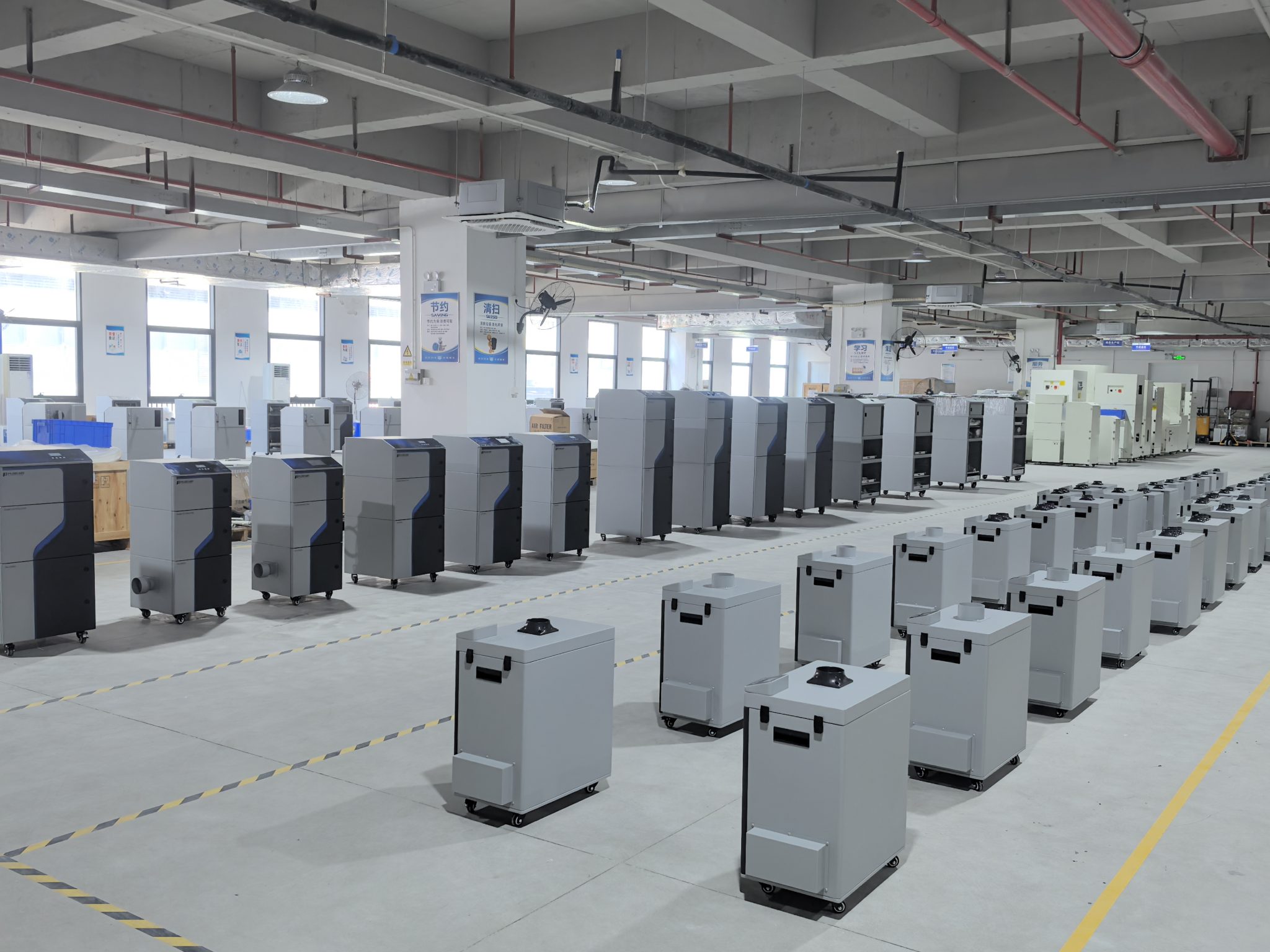
When I dig into installations of air purifier industrial systems, I see the same technical flaws again and again. Engineers pick oversized housings but ignore airflow rate balance; installers swap in cheap cartridge filters and hope for the best. The result: pockets of dead-air, uneven suction, and filter loading that kills filtration efficiency long before the next scheduled change. Look, it’s simpler than you think — uneven pressure and poor duct layout are the usual culprits. I’ve measured systems where static pressure was off by 40% from spec. That gap makes HEPA-rated modules underperform and forces fans to run harder — which spikes energy use and shortens fan life.
Why do these mistakes persist?
Part of it is human. Teams choose the lowest upfront cost or copy a competitor’s spec without testing it on their actual floor plan. They rarely model particle trajectories or consider maintenance access when placing filters. I also see mismatched control electronics — power converters sized for peak load but uncontrolled during throttling — which makes control systems unstable. Add to that the trend to bolt on smart features (edge computing nodes, remote monitoring) without rethinking the basics, and you end up with a system that looks modern but behaves like an afterthought. I’ve learned to ask three quick checks during site visits; they reveal 80% of hidden faults within minutes.
New principles and what to adopt next
Moving forward, I lean on a few clear engineering principles that fix most of these problems. First: design for balanced airflow from day one. Second: pair filter selection with realistic maintenance intervals — no fantasy schedules. Third: integrate monitoring that reports filtration efficiency and differential pressure, not just “on/off” statuses. When teams adopt these, they stop guessing and start managing performance. I’ve coached clients to run simple tracer tests and they found hotspots they never knew existed — and then fixed them fast. — funny how that works, right?
What’s next? Adopt modular designs that make filter swaps safe and predictable. Embrace variable-speed drives tied to real-time pressure sensors instead of fixed-speed fans. And yes, use smart analytics, but only after the mechanical basics are reliable. These steps reduce downtime and cut energy consumption. I like to trial one change at a time so we can see measurable gains rather than a jumble of upgrades that hide which change actually worked. Small experiments, real metrics — that’s my approach.
How should you evaluate options?
Here are three practical metrics I use when comparing solutions — they’ll save you time and money: 1) Effective Clean Air Delivery Rate (CADR) at operating fan speed, not just rated maximum; 2) Measured filtration efficiency drop over a realistic maintenance interval; 3) System-level energy per cubic meter of air processed (kWh/m³). If a supplier can’t provide those numbers from an actual demo, I treat their claims skeptically. I’ve learned to prefer partners who share raw test logs — transparency tells me they’ve done the work.
In short: avoid shiny specs without proven results. Test in-place, measure real performance, and choose systems that balance airflow, filtration, and controls. I keep using that checklist on every site visit, and it reliably separates meaningful solutions from marketing. For practical, grounded options you can trust, check PURE-AIR