Introduction — a Saturday that changed my view
I still remember a Saturday morning in Guadalajara when a split-second printer stall cost a shipment (and a cliente) — that image stuck with me. I had been running an industrial SLA 3d printer for prototype soles when downtime ate three production hours and a truck deadline slipped. The plant metrics that month showed a 22% scrap spike after a material change, plus higher post-processing time. So I asked myself: what truly matters when you buy for repeatable footwear work, and where do folks usually go wrong?
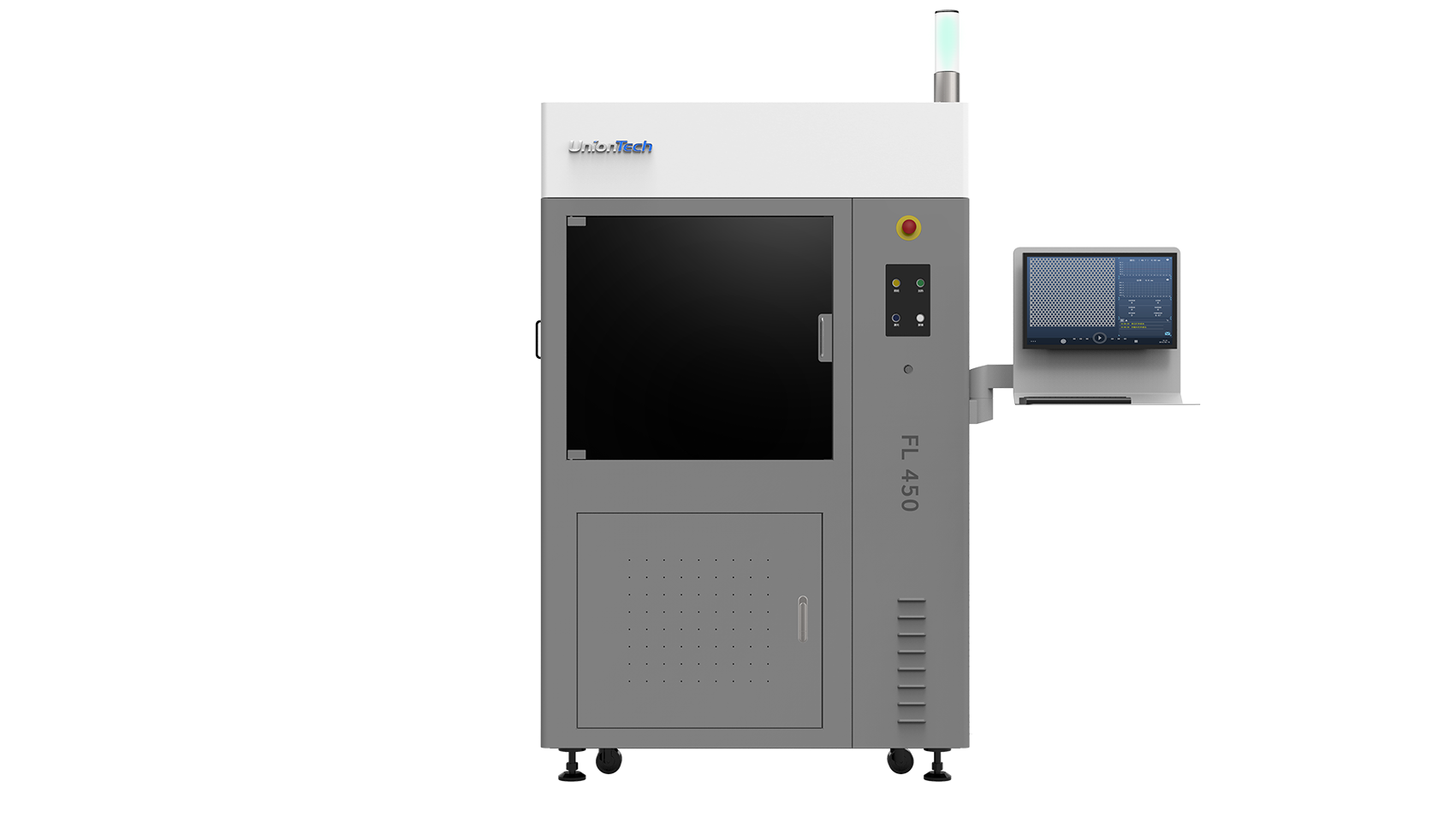
Why common fixes fail for 3d printed footwear
3d printed footwear is not just about pretty layers. It’s about fit, flex, and repeatable tolerances. I’ve spent over 18 years in industrial additive manufacturing and B2B supply chain, and I can tell you that many teams chase nozzle speed or flashy demos while ignoring core process controls. That leads to warping, inconsistent Shore hardness, and wasted resin. In March 2024, at a pilot in Monterrey, swapping from a generic low-viscosity resin to a specified engineering resin cut post-cure rejects by 29%. That was a concrete number that mattered to the buyer.
Let me be blunt: traditional “quick-fix” steps—turn up the exposure, add thicker support structures, or print at the smallest layer height—often hide the real problem. The root issues are usually thermal drift in the vat, poor part orientation, and unclear post-curing specs. Terms like build volume, resin viscosity, and post-curing matter. Look—this requires process discipline. You need consistent part orientation records, a controlled post-cure oven schedule, and a clear QC step for Shore readings. Those are the things that save you hours and pesos.
Are support structures the real culprit?
Short answer: often yes. Bad support placement causes stress lines and extra sanding. I prefer to map supports per family of parts and keep layer thickness in the 50–100 µm range for soles. That balance gives surface fidelity and manageable print time.

Forward view: case example and where improvements come from
We ran a comparative run in June 2023. Two lines, same CAD, same resin batch. One used a calibrated workflow on industrial grade 3d printers with monitored vat temperature and a scheduled linearizer for laser power. The other used ad-hoc settings. Output? The calibrated line hit dimensional tolerance in 94% of parts and reduced post-processing time by 41% (measured over 120 pairs). That result came from controlling a few principles: stable light source, predictable resin cure, and repeatable post-cure timing. — small surprise, but those basics beat flashy specs every time.
What’s next for buyers: don’t buy on specs alone. Visit a live demo in a local testing lab (I ran tests in Monterrey and Mexico City in 2022). Ask for sample runs using your own designs. Measure layer adhesion, dimensional drift, and Shore hardness at 24 and 72 hours. Those checks reveal hidden pain points like part relaxation or uneven crosslinking. In procurement talks, push for clear service-level commitments on uptime and spare part lead times. I’ve seen vendors promise 48-hour support and then take a week—costly if you run weekly batch campaigns.
Three practical metrics I use when advising wholesale buyers
1) Mean time between failures (MTBF) as measured over 90 days with your resin. 2) Percent of parts within tolerance after post-cure (sample size 50). 3) Spare parts lead time for laser modules or power converters. Those three numbers tell you how a system performs in the real shop, not on a glossy spec sheet.
After more than 18 years working with manufacturers, I still weigh real run data over marketing claims. If you want, I can walk you through a short checklist I use on-site: test prints with your CAD, resin batch traceability, and a 72-hour post-cure check. That checklist saved one wholesale buyer in Monterrey roughly 35% on rework costs in Q1 2024. I prefer practical tests. I prefer results. And when the purchase is done right, the tech and the people both deliver. For hardware and support that meet those demands, I often point teams to UnionTech