Why This Choice Hits Different
I walked into a launch party where the glow was real, but the jars were not. The acrylic cream jar on the shelf looked luxe, yet a few caps squeaked and the seals felt loose. The team smiled for photos. The QA lead didn’t. Here’s the kicker: shoppers judge pack quality in under seven seconds, and brands report up to 22% complaints tied to packaging glitches. That’s money talking, loud. So, are we picking jars for vibes, or performance?
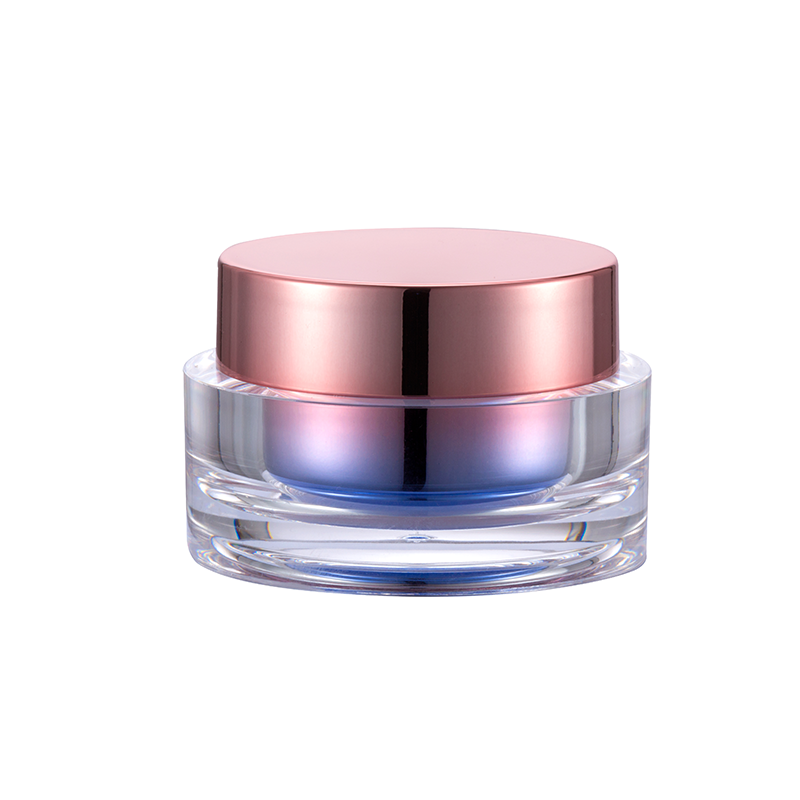
Think about the day-to-day grind—fulfillment, hot rooms, cold trucks, vanity tops. If your cap torque drifts or the liner gives up, actives degrade and texture shifts. Then social blows up. (Not the kind you want.) You need clarity like crystal, but also a build that won’t warp or crack. You want smooth threads, stable seals, and color that matches your masterbatch. Look, this is packaging, not a mixtape; the hits need to land, repeatably.
So here’s the move: compare your options like a pro, not a guesser. If the jar is PMMA but the inner cup is weak, that pretty face won’t save it. If UV stabilizers are missing, your formula gets roasted by shelf lights—funny how that works, right? Ready to break down the real gaps and what to do next? Let’s roll into the core problems, clean and direct.
The Hidden Snags Inside “Stock” Choices
Where do stock jars trip you up?
Everyone loves speed. That’s why teams reach for stock cosmetic jars when launch dates sprint toward them. But speed can hide pain. Many stock parts mix different molds, so thread fit changes lot to lot. That’s tolerance stack-up at work. Your cap may seat fine on Monday and squeal on Thursday. When the gasket compression set drifts, air sneaks in. Texture dries. Scent fades. And no one notices until returns pop.

There’s more. A lot of “clear” walls look sharp at first, but the resin blend matters. PMMA brings shine, yet walls vary in thickness. That can cause stress marks and tiny cracks near the shoulder. If the jar lacks UV inhibitors, your retinol or vitamin C loses punch under retail lights. Labels can scuff because the shoulder radius is off. And if the inner cup is polypropylene without a steady spec, the wiper may scrape too hard or too soft. Look, it’s simpler than you think: combine stable resin, good wall control, and a seal that doesn’t slump when it gets warm. Then add honest QC—pull tests, torque checks, and real shelf trials. That’s how you keep the glow long after unboxing.
Tomorrow’s Jar: Tools, Proof, and What to Ask
What’s Next
Here’s the shift. Instead of hoping a stock fit works, test by principle. New jar systems pair a PMMA outer with a tight inner cup and a better seal profile. Why it matters: stable walls and a smarter cap thread reduce torque drift. An induction-ready liner cuts oxygen creep. And real color control (not just eyeballing) keeps your batch match tight across seasons. You can see it in data. Less variance. Fewer returns. More trust.
If you’re weighing sources, check what an acrylic cream jar supplier in china can show beyond samples—SPC charts, cap torque curves, and drop-test results. Semi-formal vibe here, but it’s real: proof beats pitch. Ask for cycle stability across heat and cold. Ask about mold maintenance logs. Ask if they’ve controlled creep at the neck; small gains here prevent leaks later. And yes, compare to your current stock jars head-to-head. Run the same fill. Store them side by side. Shake, ship, and shelf. Patterns will show themselves—funny how that works, right?
Quick advisory wrap so you can move fast: 1) Seal integrity under stress: measure cap torque after 24 hours at 40°C and after a drop test; it should hold without squeak or weep. 2) Light and air protection: verify UV block and note oxygen ingress targets for your actives. 3) Fit and finish stability: check thread wear and color delta across at least three lots. Keep it simple, keep it measurable, then pick the jar that wins on proof, not promises. For deeper specs and steady builds, talk with teams like NAVI Packaging—use the checklist above, and make the data sing.