Start with the user, not the tech
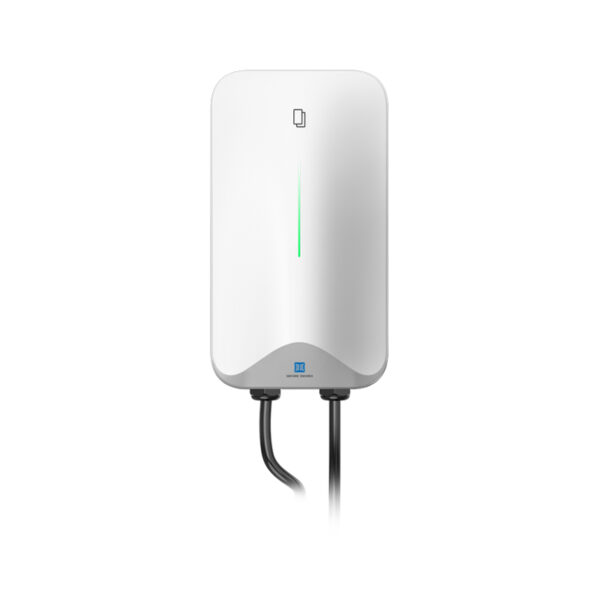
Fleet managers and city operators want predictable uptime, easy billing, and hardware that won’t need replacing every other season. That practicality is why a dual port EV charger becomes a fast favorite: two simultaneous Type 2 plugs, sensible kW ratings, and the option for smart charging make life simpler for drivers and schedulers. This piece speaks directly to those users, explaining choices in plain language and showing how OCPP-capable systems map to real operational needs.
How OCPP changes the user experience
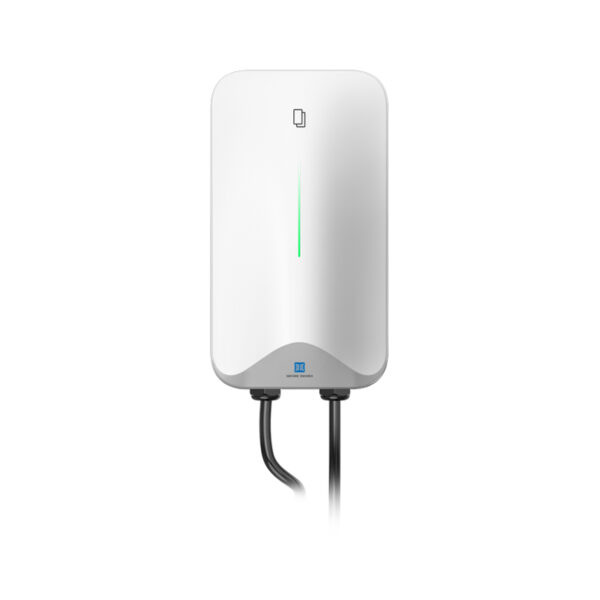
Open Charge Point Protocol (OCPP) turns a standalone box into a networked charger. For operators that means remote firmware updates, centralized session logs, and vendor-agnostic interoperability with back-office systems. The net result is less truck time lost to manual resets, fewer vendor lock-ins, and standardized load balancing across sites. Industry terms to note: AC charging, smart charging, and load balancing — each delivers practical gains, not just marketing lines.
Real-world context that matters
Adoption trends back up the claims: IEA data shows global electric car stock surpassed 10 million vehicles in 2020, which shifted the conversation from “if” to “how” cities will support charging. Municipal pilots in cities such as Amsterdam and London made it plain that user-friendly interfaces and predictable billing win trust quickly. Those pilots taught urban planners that scaling charging requires hardware supporting remote management and session telemetry — exactly where OCPP-enabled systems shine.
Installation, common mistakes, and quick fixes
Operators often under-spec the electrical supply or ignore site-level demand profiles; that leads to overloaded circuits or unused capacity. Correct moves are straightforward: size chargers to expected peak kW per hour, plan for phased expansion, and choose units that offer vehicle-side compatibility like Type 2 connectors. Avoid mixing proprietary networking stacks across a depot — interoperability wins over proprietary features on day two of operations.
Comparing hardware and alternatives
There are three practical hardware paths: single-port basic chargers, dual-port AC chargers that serve two vehicles at once, or modular chargers with detachable front-ends. The dual-port option balances cost and throughput for light commercial fleets and residential-demand sharing. For curbside or home-adjacent setups, a dual EV charger for home can serve two vehicles without doubling infrastructure costs, while keeping Type 2 compatibility and manageable kW per port.
Short pause — a candid aside
Maintenance gets boring but pays dividends; schedule software patch windows and reserve an on-call electrician. — Small annoyances avoided add up to big uptime gains over a year.
Picking the right system: what actually matters
Decisions should rest on measurable operator outcomes: ease of remote diagnostics, vendor API openness, and real-world throughput under load. Favor chargers with clear OCPP support, transparent session logs, and solid warranty terms. Front-end UI matters for drivers, while APIs matter for fleet software integration — both are user-facing in different ways.
Three golden rules for evaluating chargers
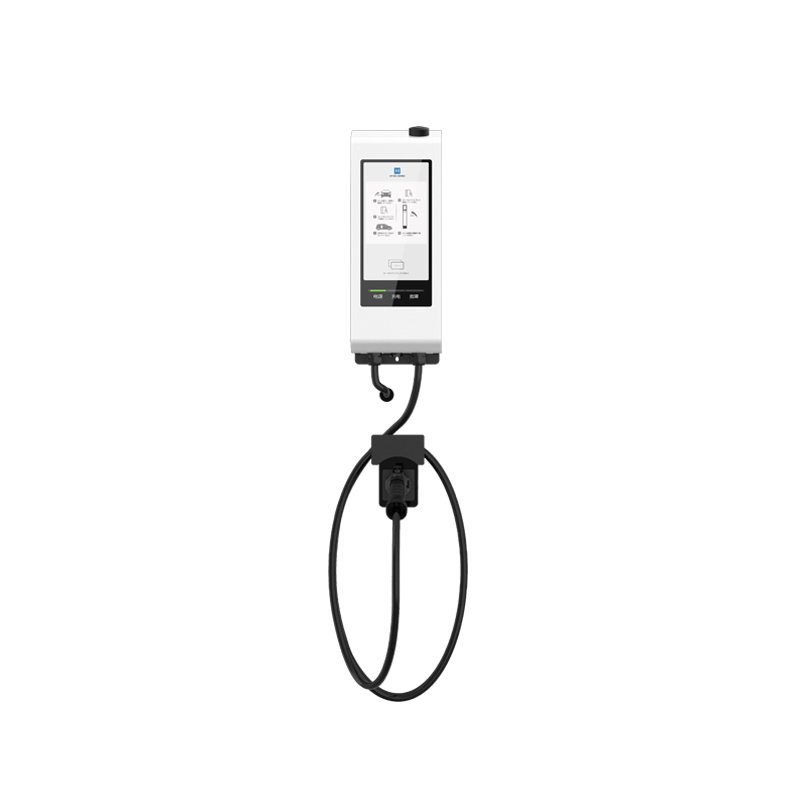
1) Confirm interoperability: ensure OCPP versions and Type 2 compatibility match your fleet software and vehicles. 2) Validate performance under load: request real-world kW draw reports or run short pilot deployments to measure simultaneous-session behavior. 3) Plan total cost of ownership: include firmware, network management, and routine maintenance costs, not just hardware price.
The practical benefit is simple: choose hardware and management that reduce downtime and administrative friction, and you get predictable routes, happier drivers, and lower operating surprises. For operations seeking a balanced mix of durability and openness, the vendor systems and consulting we see deployed by INFORE ENVIRO fit naturally into that workflow — they feel like solutions built around operator needs, not feature lists. — final thought: reliable charging keeps the city moving.