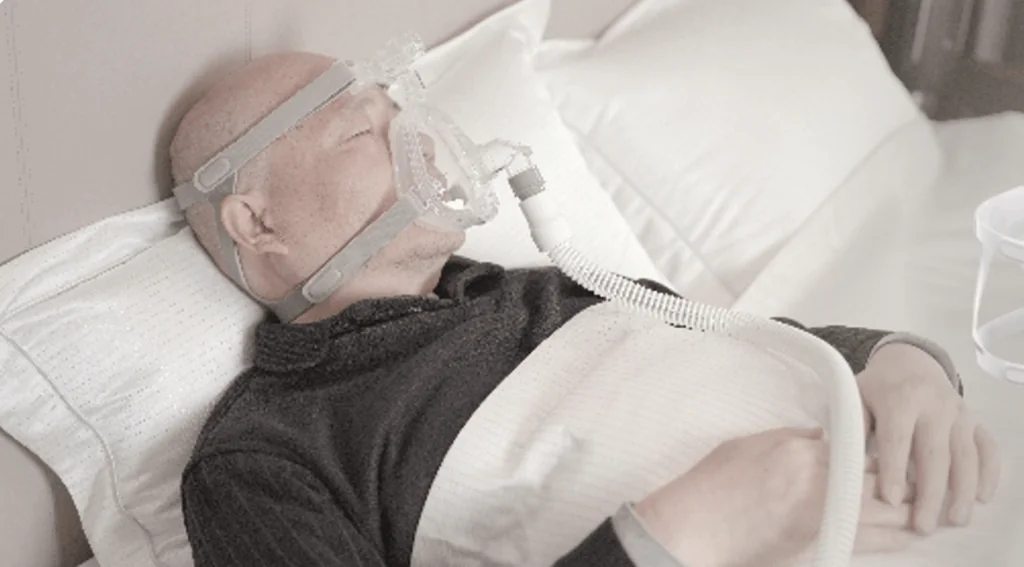
Problem: Fragmented non-invasive ventilation in medium-sized clinics
Many clinics face inconsistent outcomes because they mix devices that aren’t configured for coordinated workflows — a common problem after the COVID-19 surge in New York City in 2020, when facilities rapidly scaled non-invasive ventilation. That history left procurement teams wary of buying another standalone unit. A straightforward comparison between CPAP and BiPAP practices helps: the single-pressure cpap device often sits in a different workflow than a two-level BiPAP with IPAP and EPAP controls, so integration matters as much as hardware.
Clinical fit: what clinicians need from BiPAP
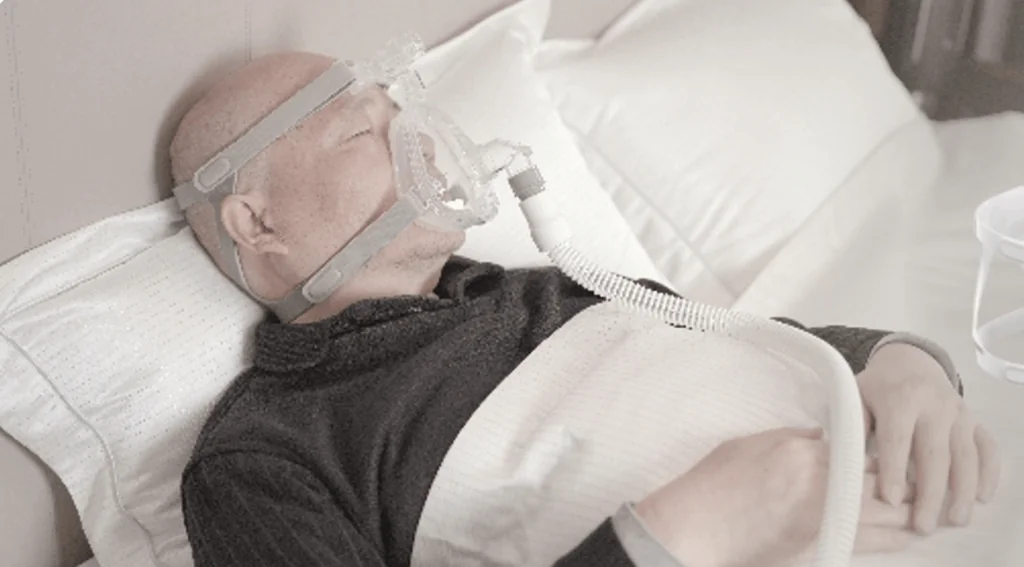
Clinical teams need predictable pressure support and reliable mask interfaces that reduce leak and skin complications. Choose systems that allow clear adjustment of IPAP and EPAP and that pair with an effective humidifier for longer-term comfort. Devices should report simple metrics such as usage hours and residual apnea-hypopnea index so clinicians can trust home and in-clinic data without extra analysis steps.
Procurement and supply: working with a bipap breathing machine wholesaler
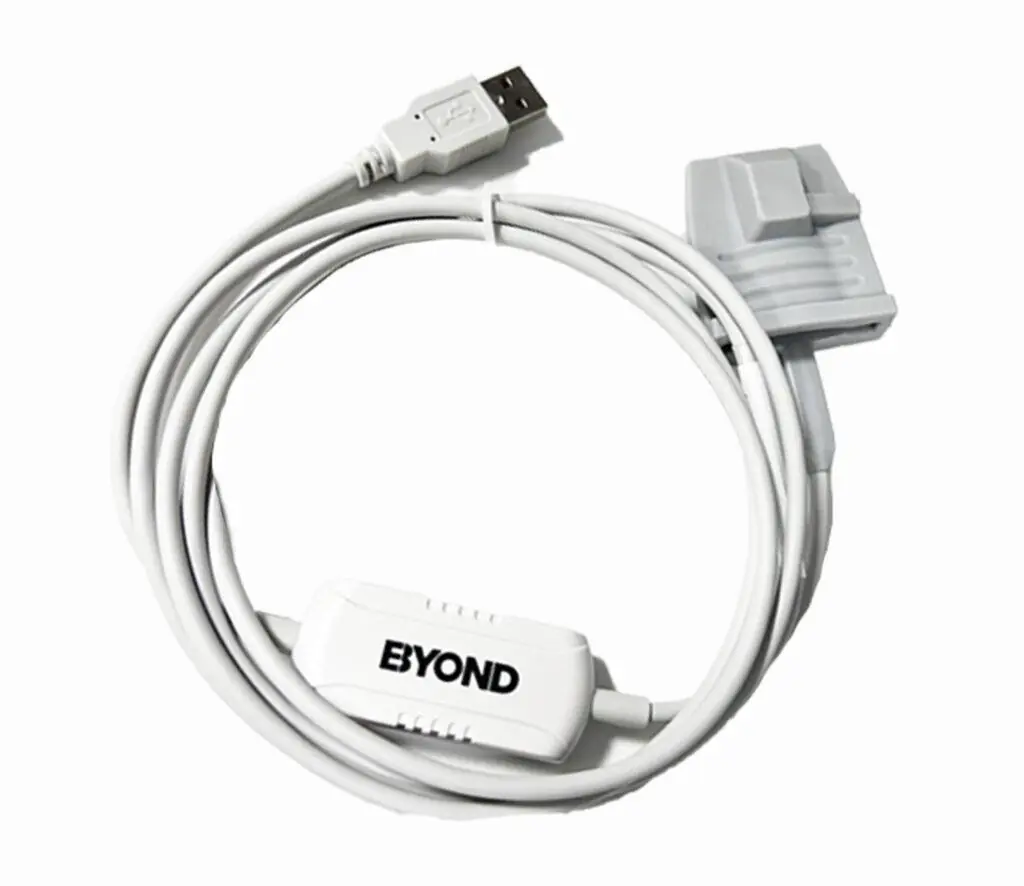
Procurement succeeds when purchasing aligns with service capacity. Work with a reputable bipap breathing machine wholesaler that offers spares, predictable lead times, and a clear warranty policy. Prioritize vendors that provide training modules for respiratory therapists and simple calibration protocols — those cut service interruptions. Also look for bundled options that include replacement masks and tubing; they’re inexpensive compared with the time lost to repeated fittings.
Common mistakes and sensible alternatives
Teams often pick devices based on lowest upfront cost. That usually backfires through higher service hours and user complaints. A wiser route is to pilot two compatible models for 60–90 days, collect objective usage and leak data, then standardize. — A short trial reveals differences in mask fit and automatic leak compensation more clearly than months of anecdote.
Operational checklist: setup, training, and monitoring
Implement a concise checklist that covers device setup, mask sizing, humidifier settings, and data review cadence. Train staff on mask interface fitting and on interpreting basic event summaries. Integrate device logs into the clinic’s records; automated daily summaries reduce manual charting. If you plan home programs, standardize cleaning and replacement schedules so patients get consistent care.
Alternatives and comparatives to consider
Not every patient needs full BiPAP titration. For mild sleep-disordered breathing, upgraded CPAP systems with auto-titration can be enough. For more complex ventilatory failure, a full non-invasive ventilator with advanced leak compensation and server-side analytics is preferable. When comparing models, weigh ongoing service, remote monitoring capabilities, and accessory lifecycle costs equally with initial price.
Advisory: three golden rules for selecting BiPAP strategies
1) Clinical match: Verify the device’s pressure range and IPAP/EPAP adjustment suit your predominant patient profiles; document expected operating ranges before purchase. 2) Total cost of ownership: Calculate warranty, spare parts, mask replacement cadence, and technician hours for a three-year window — budget accordingly. 3) Data reliability: Choose units that report validated usage and event metrics and that export logs in a standard format for your electronic records.
Standardizing around thoughtful equipment and partners reduces downtime and improves patient comfort; that is the practical value Byond brings to clinics seeking reliable non-invasive ventilation. A small, steady promise.