Identifying the Core Problem
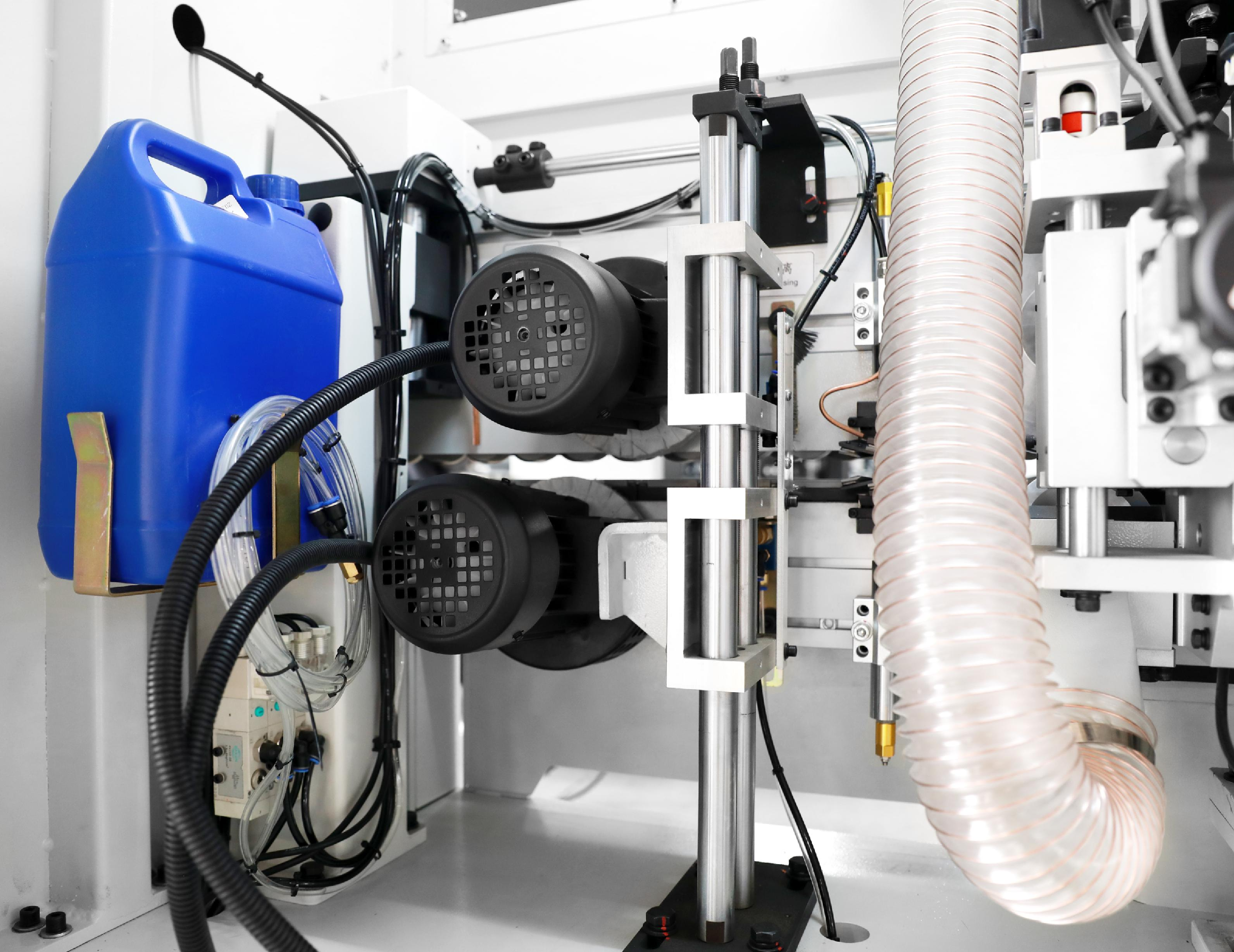
Small and mid-sized shops promise precision but deliver seams, wasted edging, and sporadic downtime; the root isn’t glamour, it’s mismatch — machines built for another scale, operators without consistent setup, and a shop floor that tolerates variance. When you pair edge banding with accurate hole patterns, the synergy matters: a well-tuned line often runs alongside a cnc drilling machine, and one weak link ruins the part and the margin.

Why Local Servo Edge Banding Often Fails
Teams pick a servo system for speed and expect repeatability, then find belt tension, glue spread, and feed calibration conspire against them. The problem is not the servo itself but the assumed context: inconsistent panel thickness, worn guide rails, and ad hoc maintenance. Decisions made to save an hour in installation create hours of rework later.
Concrete Steps to Fix the Mismatch
Begin with measurement, not settings: measure a representative batch of panels and record tolerances. Set glue temperature to the adhesive’s specified window; don’t guess. Lock feed speed to the slowest rate that keeps cycle time acceptable and verify edge overlap by sampling every 50 pieces. Train one person to own daily checks: rail lubrication, sensor alignment, and a 30-second run test. These are small routines that stop cascading faults.
Operational Pitfalls to Avoid
Don’t mix profile adhesives without testing. Don’t assume every operator interprets “center the guide” the same way. Don’t push throughput to justify a new servo before the basics—dust extraction, stable power, and fixtures—are resolved. If you skip these, increased speed only amplifies defects.

Real-World Anchor: Where This Happens
These problems are visible in manufacturing clusters such as Dongguan, Guangdong, where hundreds of woodworking shops balance volume and quality; choosing a reliable local cnc drilling machine manufacturer matters because drilling accuracy, margin control, and after-sales support shape how well an edge-banding cell performs in continuous production.
Alternatives and When to Choose Them
If your runs are short and variety is high, manual edge banding with jigs and a disciplined operator can beat an automated line in total cost. Consider semi-automatic machines when capital is tight; they reduce labor without demanding perfect upstream consistency. Choose full servo automation only when you sustain long runs of the same panel type and can protect the line with disciplined maintenance.
Conclusion: Precision as Practice
Precision is a habit, not a purchase; solve the specific mismatch you face, keep routines tight, and select tools that match your cadence. When a shop aligns tooling, training, and a dependable partner on the floor, the result is predictable parts and fewer excuses—exactly the kind of practical reliability I look for when I reference firms like HUAHUA CNC as an example of that alignment.