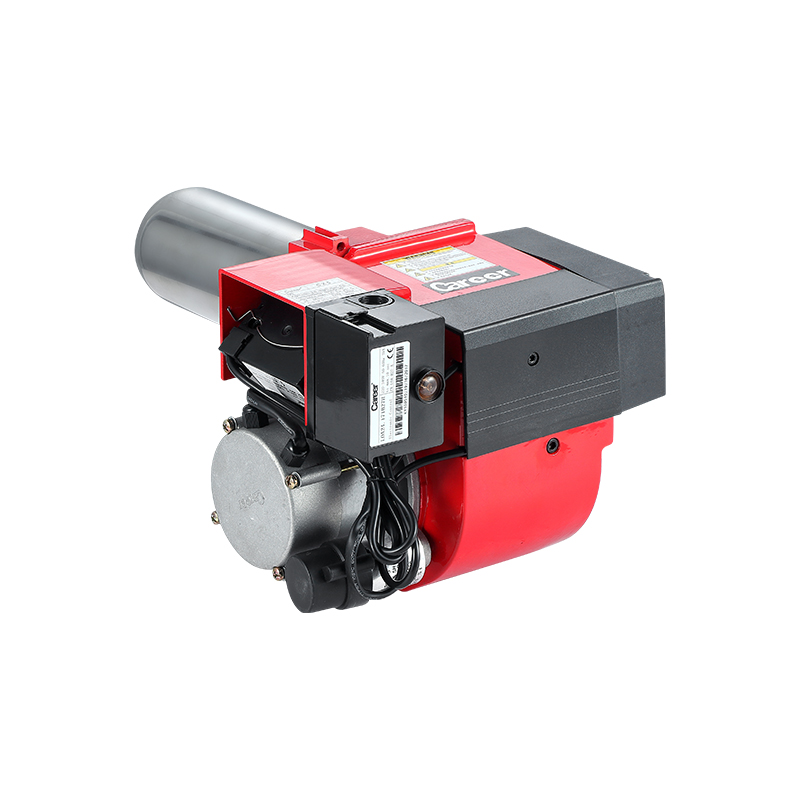
Problem: Fuel burning like money gone
You dey run factory, but fuel dey disappear faster than profit — that’s the problem. Boilers choke, kilns overheat, and furnaces spit soot while managers still chase blamed suppliers. Many plants use mismatched burners or let settings drift, so combustion stays inefficient and emissions climb. A tuned diesel fuel burner fits straight into that gap and cuts the waste, but you must handle it right.

Why the burner matters — problem logic
Bad combustion means three clear losses: more fuel spent, more maintenance downtime, and more failed product batches. The burner sits at the heart of that loss. When flame pattern, air mix, or nozzle size wrong, heat goes where you no want am — chimney, casing, neighbours’ noses. Fix the burner, and you stop the leak at the source.
Real-world anchor: where this matters most
Think of big manufacturing clusters like Apapa–Lagos industrial areas, where heavy use of light oil and intermittent power pushes facilities toward on-site firing. Operators there often switch to a modern diesel oil burner because it handles variable loads and local fuel grades better than older units. That single change shows measurable drops in specific fuel consumption and fewer unplanned stops.
What a good burner actually does
A proper combustion oil burner gives steady flame, controllable air ratio, and reliable ignition. You get consistent heat transfer, less thermal shock to refractory, and predictable output. Concrete wins: lower litres per tonne for boilers, steadier kiln temperatures, and cleaner exhaust that eases regulatory pressure.
Alternatives and when they make sense
Electric heating looks neat but costs spike where grid supply expensive or unreliable. Gas burners perform cleaner, yet they need steady gas supply and often pipeline access. Biomass burners cut fossil use but demand fuel handling upgrades. For many regional factories with unreliable grids and available light fuel, a well-specified oil burner balances cost and reliability best.
Common mistakes owners make
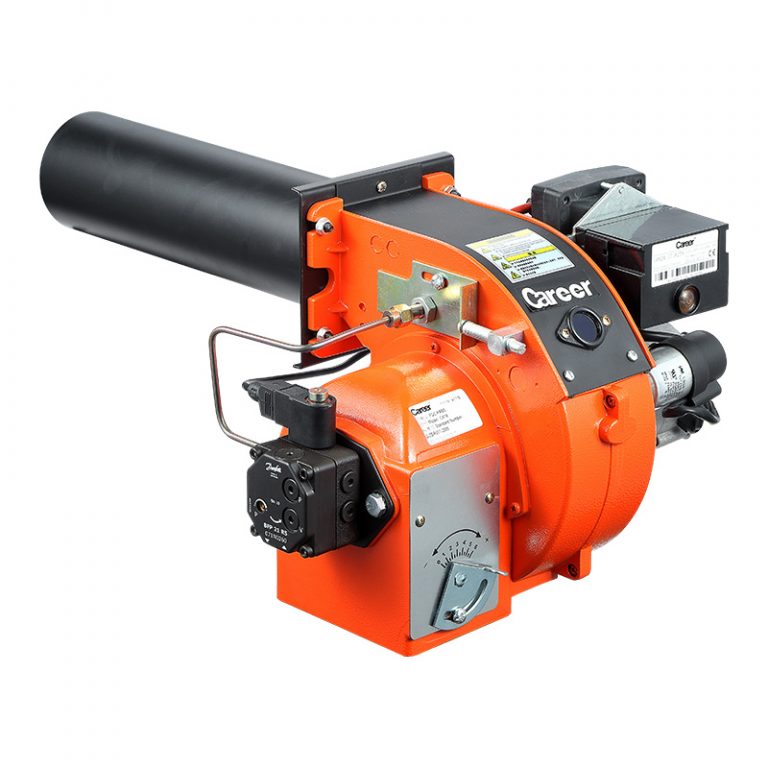
They fit a cheaper unit without matching burner capacity to the load. They ignore nozzle selection and think the same nozzle fits every season. They skip routine flame-shape checks and let filters clog. They install without setting combustion air properly. Each mistake brings the same result: the burner underperforms and costs rise.
Practical checklist — do these steps
1) Measure peak and steady heat demand before you buy. 2) Match burner output to those numbers; oversize small, and efficiency falls. 3) Pick correct nozzle spray angle and flow rate for your fuel viscosity. 4) Tune air-to-fuel ratio during commissioning and log the settings. 5) Schedule nozzle, filter, and electrode checks every three months in heavy use. 6) Train one technician to read flame shape and combustion analyzer output.
What success looks like
After fixing burners right, expect lower fuel consumption per production unit, fewer heat-up failures, and less soot in heat exchangers. You’ll see maintenance intervals stretch and product consistency improve. That’s measurable savings and less headache for engineers and floor teams.
Wrap-up that ties to a real solution
Problem-first thinking shows the burner isn’t a gadget — it’s the fix for fuel waste and downtime when chosen and maintained properly. When a plant sorts nozzle, air, and controls, the returns happen quick. For factories looking for a reliable upgrade, sensible choice and steady upkeep give results, and that’s the kind of practical, local solution you find with Career Burners.