A clear-headed comparison that starts with real use
Think of respiratory support as a toolbox where the right instrument changes outcomes. In everyday practice, clinicians and patients weigh a cpap device against other options based on comfort, clinical need, and environment. During the 2020 COVID-19 surge, hospitals ramped non-invasive strategies to reduce ICU demand — a practical, high-stakes proof that matching device capability to context matters. This piece compares options so clinicians, caregivers, and procurement leads can make specific choices rather than defaulting to habit.
Technical distinctions that actually influence care
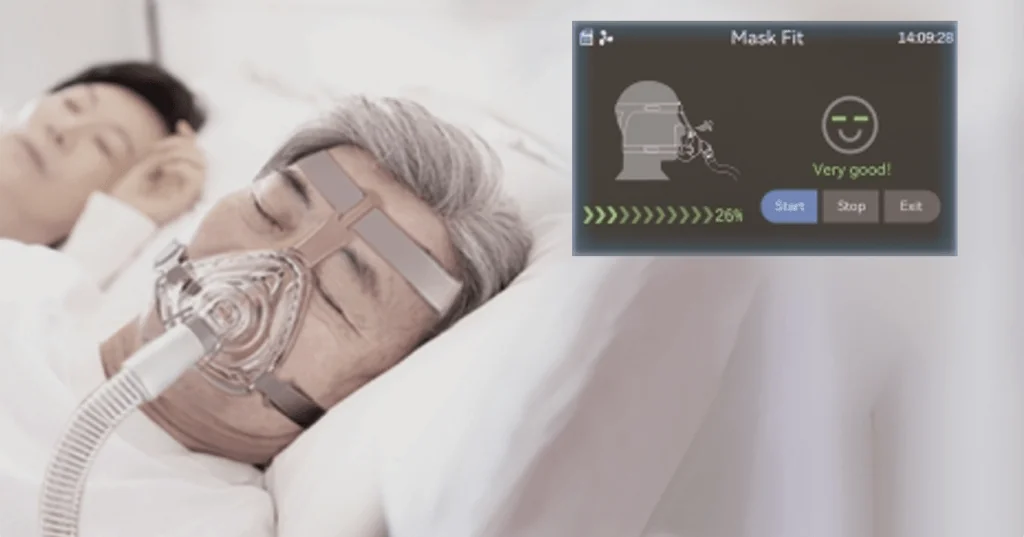
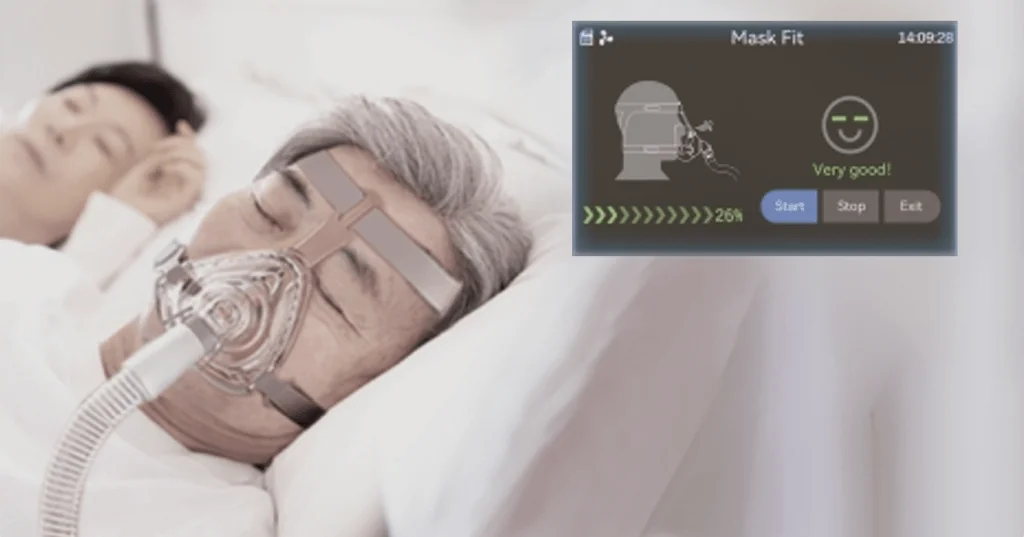
Comparisons often drown in acronyms; here’s the part that matters. A CPAP delivers a single continuous pressure to keep airways open; a bipap machine provides two levels — IPAP (inspiratory positive airway pressure) and EPAP (expiratory positive airway pressure) — giving pressure support during inhalation. That difference affects tidal volume and patient comfort, and it determines whether a patient gets simple airway stenting or active ventilatory assistance. Mask interface, humidification performance, and leak compensation are not trivia — they shape hours of sleep or days of recovery.
Practical trade-offs: home use vs hospital-grade capability
Portability, user interface, and alarm logic matter most in homes; waveform fidelity and oxygen enrichment options matter most in hospitals. Home units prioritize quiet operation and simple mask interfaces so adherence stays high. Hospital devices emphasize monitoring, adjustable pressure support, and data export for clinicians — waveform analysis and detailed logs for titration. For many patients moving from hospital to home, the challenge is continuity: can pressure settings, alarm thresholds, and humidification be reproduced reliably? If not, readmissions spike — a costly, avoidable reality.
Alternatives, common mistakes, and what to watch for
Choosing a device without checking the following leads to wasted time and compromised outcomes. Watch for:
– Mismatched pressure settings: transplanting hospital-only IPAP/EPAP values to a home setup without considering mask fit and leak compensation causes poor adherence.
– Neglecting humidification: dryness causes intolerance and removes the practical benefit of therapy.
– Overlooking data accessibility: devices without reliable export or cloud sync make clinical follow-up guesswork.
Clinicians sometimes prioritize headline specs — maximum pressure, battery hours — while missing operational details like mask compatibility or serviceability. These operational realities often determine long-term success.
Comparative checklist for procurement teams
When evaluating models side-by-side, score them on these fronts: clinical versatility, patient usability, and total cost of ownership. Clinical versatility checks IPAP/EPAP range, alarm granularity, and whether tidal volume control is available. Patient usability looks at mask interface options, noise level, and humidification effectiveness. Total cost of ownership considers maintenance, consumables, and how quickly a device can be redeployed between sites.
Three golden rules for selecting the right respiratory tool
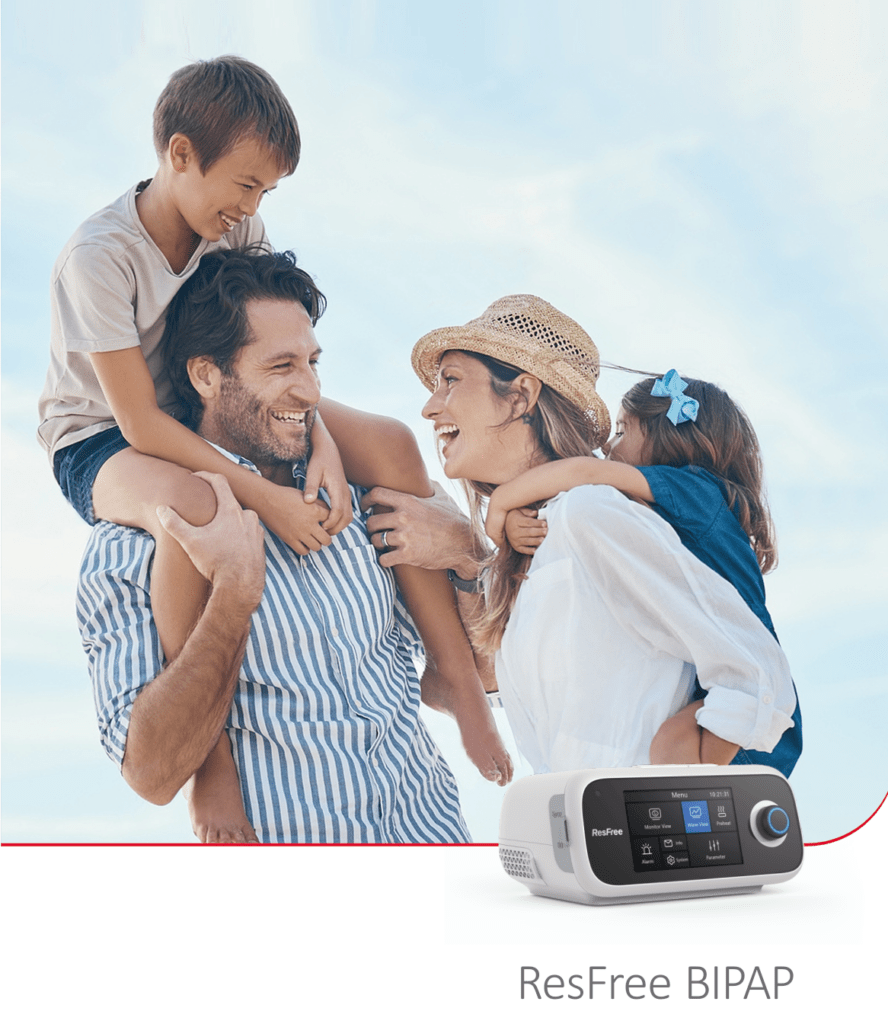
1) Clinical fit: Match device capability to respiratory physiology — choose bipap when pressure support and variable tidal volume are required; choose CPAP for obstructive sleep-related airway collapse.
2) Operational continuity: Ensure settings, mask inventory, and data flow are reproducible from hospital to home — this reduces readmissions and improves adherence.
3) Measured outcomes: Require at least 30-day adherence and a simple metric like percentage of nights with ≥4 hours use; pair that with patient-reported comfort scores.
Choosing well avoids friction for patients and teams — and that’s where a thoughtful partner matters. Byond. —