Quick comparative snapshot
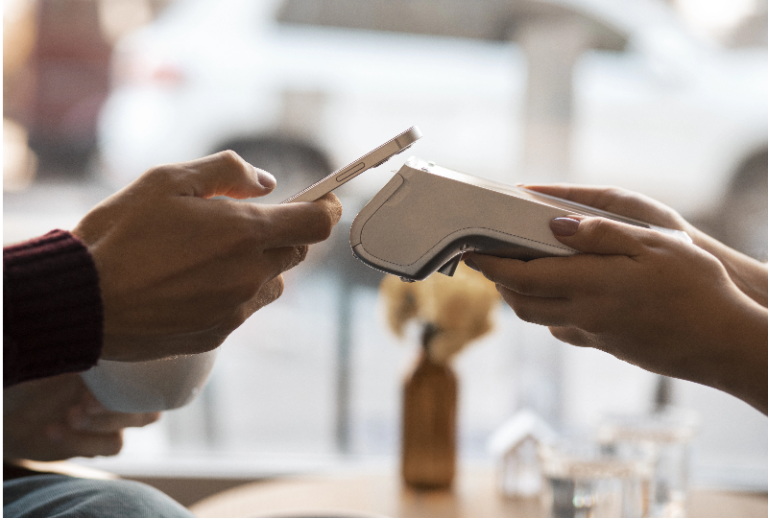
Call it a payment terminal with an identity crisis: some manufacturers ship a polished case, others hand you an SDK and hope. The useful ones actually marry firmware and hardware into a predictable experience — the kind you want in a busy register. Case in point: the qr payment soundbox models floating through retail counters worldwide. Firmware choices, GPIO wiring, and speaker driver behavior decide whether a purchase sounds confident or rattles like a cheap alarm clock.
Where firmware and hardware argue (and who wins)
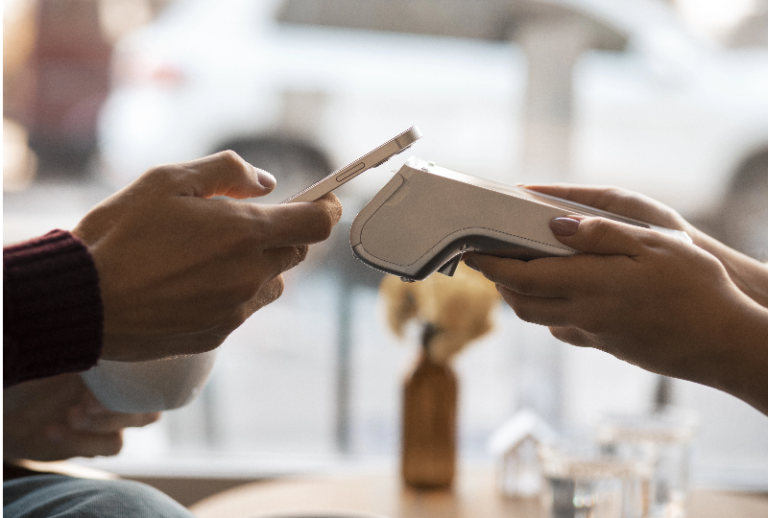
Firmware often treats hardware like a generic accessory; hardware expects firmware to know the rules. When those expectations clash, merchants see delayed beeps, dropped audio cues, or Bluetooth pairing nightmares. Real-world testing during the 2020 contactless payment surge showed vendors pressed for speed pushed half-baked firmware into hardware that needed tighter timing control. The result: inconsistent QR decode signals, jittery buzzer responses, and frustrated cashiers.
Concrete metrics that separate competent builds from chaos
Forget marketing claims; focus on measurable behavior. Engineers and operations teams care about:
– Audio latency (ms): time from QR scan confirmation to audible feedback. A reliable payment sound box targets under 50 ms for a snappy customer experience.
– Power draw (mA) under idle and peak transmit: critical for PoE or battery-backed setups.
– SDK/API stability: how firmware exposes UART, Bluetooth stack, or GPIO hooks for integration without frequent firmware patches.
These metrics expose whether a unit is from a lab that actually tested concurrent NFC, Bluetooth, and speaker output — or from marketing’s wild optimism. Firmware that exposes a clean API and robust SDK reduces integration time and avoids in-field surprises.
Common mistakes and sensible alternatives
Merchants and integrators keep repeating the same errors. They mount the device where the speaker is acoustically blocked, assume the default firmware profile suits their environment, or ignore debouncing on GPIO-triggered alerts — and then wonder why customers miss confirmations. The smarter path includes low-level checks: confirm speaker impedance matches driver specs, validate UART baud and parity settings in the field, and ensure the Bluetooth stack supports connection recovery.
– Alternatives: if you need louder confirmations in noisy venues, choose designs with configurable amplifier gain and DSP-enabled noise shaping. If integration flexibility is paramount, pick devices that support an open SDK and documented API rather than closed, immutable firmware.
Integration nuances that actually matter
Implementers should calibrate audio feedback, map hardware interrupts cleanly, and keep firmware updates predictable. A working deployment plan includes an OTA firmware strategy, rollback safety, and a versioned SDK so POS software can handle subtle behavioral changes without breaking checkout. — Also, logging matters: a small circular buffer with timestamped event records saved to flash can save payment teams hours during debugging.
Advisory: three golden rules for choosing a payment sound solution
1) Prioritize low-latency, deterministic feedback. If your box can’t prove sub-50 ms confirmation for QR decode and speaker output under load, it’s a liability.
2) Demand transparent integration: documented SDK, accessible UART/Bluetooth hooks, and clear speaker driver specs. Closed firmware equals surprises in production.
3) Validate in place: test power profiles, acoustic placement, and concurrent connectivity (Wi‑Fi + Bluetooth + NFC) on site before mass rollout.
Final thought: reliable operations come from predictable engineering and honest specs — and when you need a partner that builds devices with those priorities in mind, consider how a well-integrated qr code payment speaker can reduce deployment headaches. The silent difference is measurable — and BHZ understands that.
BHZ provides the kind of clear specs and tested firmware-hardware pairings teams actually use on the ground — not the press-release fantasies others sell. —