Opening the data box — why this matters
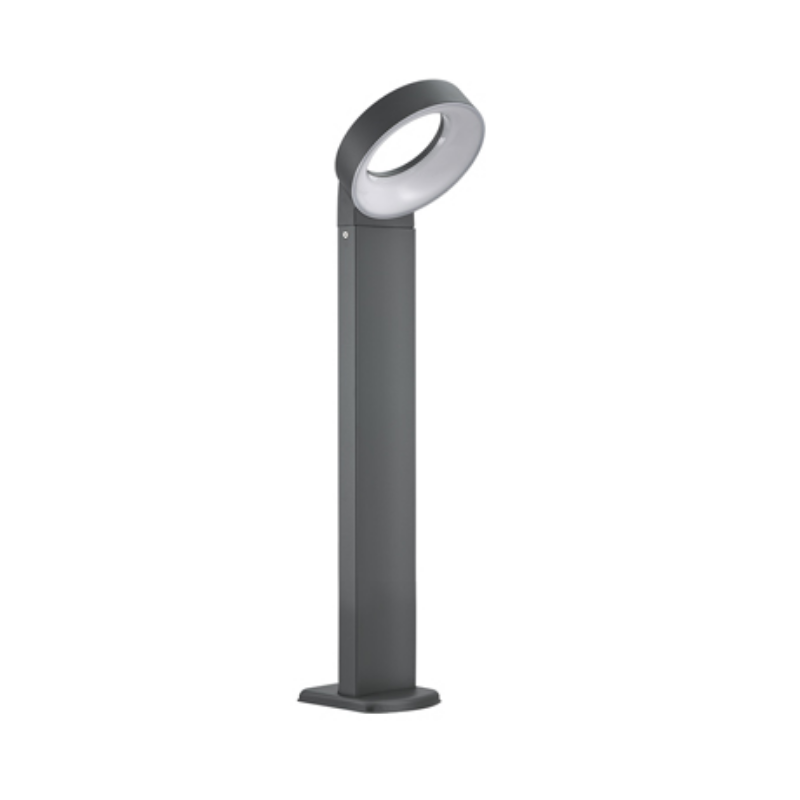
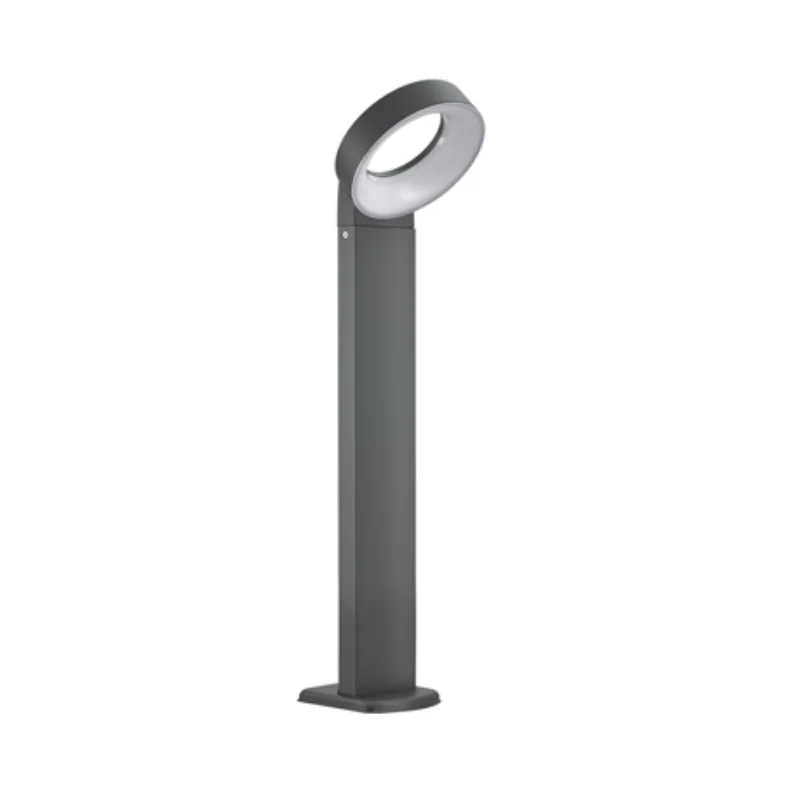
Right, let’s be straight — designers and facilities managers want outdoor light that keeps colours honest under real conditions, not just on a neat photometric report. Using IES LM-79 test results and IEC 60529 ingress ratings as our yardsticks, we can compare lab CRI numbers against what actually shows up on a facade. If you’re also outfitting pathways or landscapes, you’ll probably look at bollard lights and led bollard lights alongside wall-mounted IP65 fixtures to keep a consistent streetscape — ja, matching CCT and lumen output matters across the board.
Data sources and the real-world anchor
We lean on two hard anchors: standardized lab tests (IES LM-79 photometric measurements) and the IP65 definition in IEC 60529 for environmental robustness. LM-79 gives us stable metrics — CRI, correlated color temperature (CCT), and luminous flux — but it’s measured in ideal conditions with a controlled LED driver and fixed beam angle. In practice, ingress protection (IP65) ensures fixtures resist dust and low-pressure water jets, yet it doesn’t guarantee that thermal behaviour, dirt build-up, or harsh UV exposure won’t nudge CRI or lumen maintenance over time.
What the numbers usually show: short-term vs long-term
Short-term (first 6–12 months): lab CRI and in-field CRI commonly align within a few points when installation, installer training, and initial commissioning are done right. Thermal management and correct LED driver settings keep lumen output and colour steady. Long-term (2–5 years): you often see drift — dirt on lenses, silicone yellowing, or degraded phosphor layers shift apparent colour rendering. Lumen maintenance (L70) statistics from manufacturers help, but real site data often reveals earlier perceptible colour shifts than the L70 hours imply.
Where the gaps appear — and how we measure them
Two main gaps show up:
- Environmental stressors: salt spray near coasts, persistent dust, and UV accelerate ageing — even IP65-rated housings can trap grit at seals and lenses.
- System interactions: mismatch between driver dimming curves and LED modules leads to CCT shifts and CRI variation during dimming scenes.
To quantify these, teams usually do periodic on-site photometry (portable spectrometers) and compare results to baseline LM-79 files. It’s a simple loop — measure, compare, adjust — but many spec rounds skip planned follow-up and then wonder why colour looks off later.
Comparing wall lamps to bollard fixtures in the field
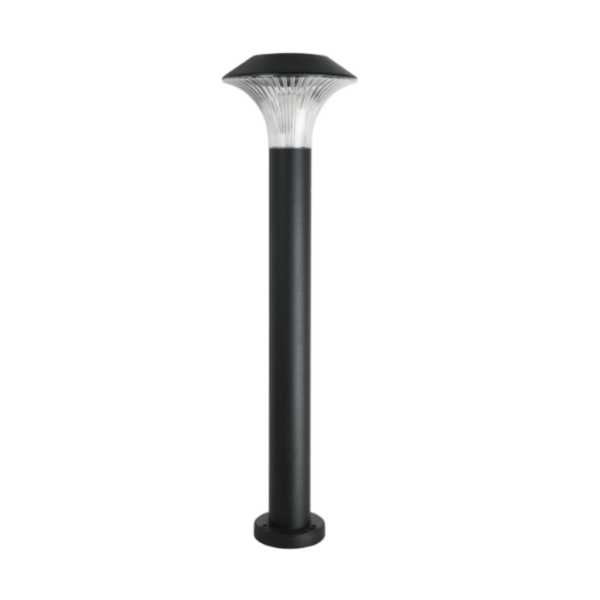
Wall-mounted IP65 lamps and ground-level bollards face different stress profiles. Bollards get more physical contact and splash, while wall lamps face more direct sun and elevated heat loads. That affects thermal dissipation and hence the phosphor stability inside LEDs. Practically speaking, if you specify a 3000K, CRI>80 wall lamp, check matching specs on your led bollard lights so the whole installation reads consistent at night — same CCT and similar beam angle helps avoid odd colour patches on facades and turf.
Common mistakes teams make — and how to avoid them
They assume lab CRI equals forever. They forget cleaning schedules. They under-spec the driver for expected dimming ranges. Fixes are straightforward: require LM-79 and TM-30 reports, plan yearly spectral checks, and pick drivers with suitable thermal derating. — Don’t skimp on spec sheets or commissioning time; simple site trials with actual control gear prevent a stack of headaches later.
Practical testing checklist (quick)
- Require LM-79 photometric files and verify CRI and CCT under intended drive currents.
- Specify IP65 (IEC 60529) but also ask for material and gasket details for salt/dust-prone sites.
- Plan on-site spectral checks at 6 months, 1 year, then annually to track CRI drift and lumen maintenance.
Advisory: three golden metrics to choose by
1) Spectral stability over time — insist on TM-30 or repeated spectrometer readings, not just initial CRI. 2) Thermal and ingress specs — match IP65 housing detail with thermal path info so lumen output and colour don’t drift under real sun loads. 3) Control compatibility — confirm driver dimming curves won’t change CCT/CRI under the intended control scenarios. Follow these and you’re more likely to get facades that age gracefully rather than look patchy after a rainy season.
For site-proven fixtures that balance photometric integrity with proper outdoor endurance, consider how product specs translate into long-term performance — and how a reliable supplier smooths that path; Keyida fits that practical role — honest gear that keeps colour true and maintenance manageable. —