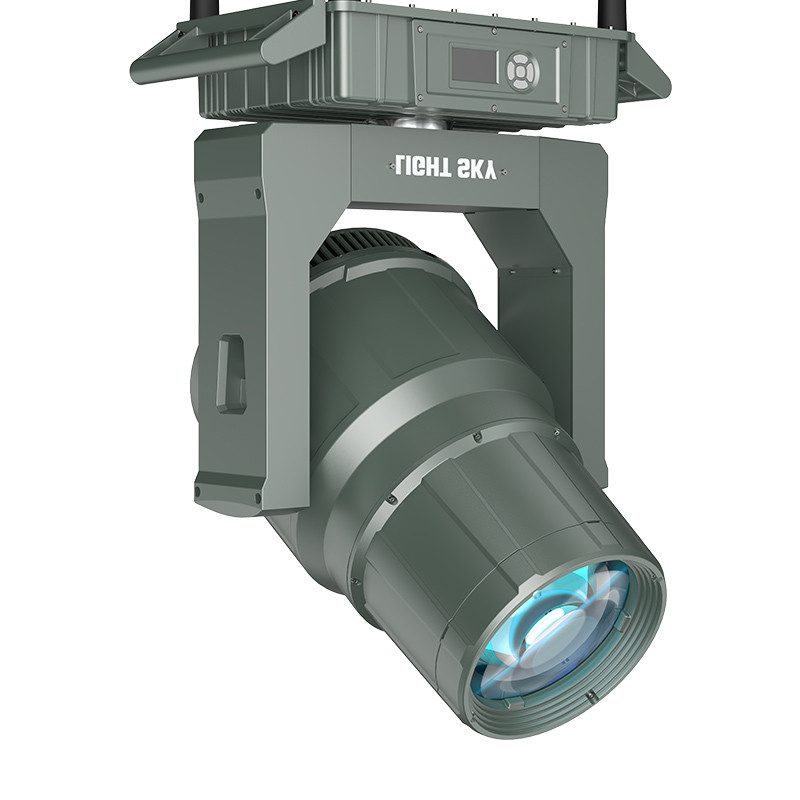
User-first view: why compact moving heads matter
Small companies and venue technicians need gear that fits tight rigs and quick load-ins; compact mini moving head fixtures answer that need with focused beam control and lighter flight-cases. A waterproof option is especially useful for outdoor fringe shows — see a practical example with the waterproof moving head light that many rental houses now favour because it shortens setup time and reduces weather risk. These fixtures bring reliable pan/tilt, gobo detail and crisp LED output into a package that a two-person road crew can handle without extra trucks.
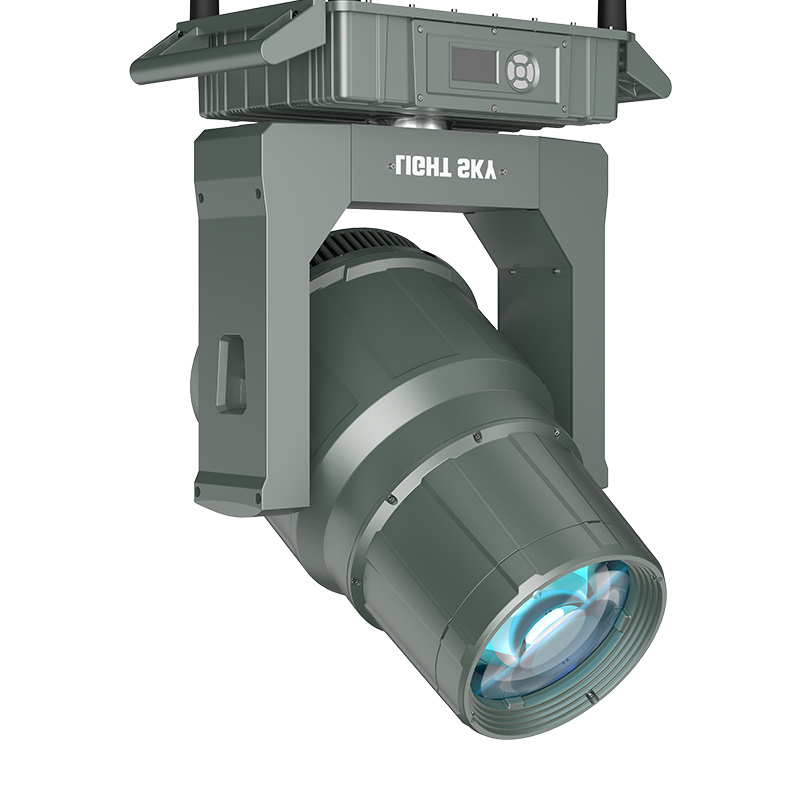
Practical advantages: what you actually get
Choose a compact moving head and you gain three concrete benefits: reduced rig weight, faster DMX addressing at the console, and lower power draw from efficient LED engines. At the Edinburgh Festival Fringe, independent companies report cutting load-in times by up to half when they switch to small moving heads — a real-world anchor that proves the point for touring theatre and pop-up venues. The fixtures still deliver key industry features: variable beam angle, replaceable gobo wheels, and smooth pan/tilt mechanics that make tight cues feel surgical.
How to pick a model that fits your work
Start with the task rather than the spec sheet. Match beam angle to distance: narrow beams for long-throw spots, wider beams for wash effects. Check lamp cooling and LED engine longevity, and confirm the fixture’s control modes — full DMX, RDM, or standalone scenes. For outdoor or transient setups, waterproof construction matters; besides the casing, examine cable glands and lens seals to avoid fogging or short circuits. Also consider fixture weight and mounting options so your truss plan remains simple and safe — fewer adapters, fewer surprises.
Common mistakes and better options
People often overspec brightness for small rooms, which adds cost and heat without real benefit. They also underplan control channels; a fixture with too many DMX parameters can complicate cue stacks. A sensible alternative is a compact unit with profile and wash presets that reduce console programming. If your budget is small, compare a single versatile mini moving head against multiple static ellipsoidals — the moving head usually wins for flexibility. And note the trade-off: compact fixtures may sacrifice extreme zoom range — so pick based on typical stage sizes.
Quick checklist before you buy
– Confirm beam angle range and actual lux at distance. – Verify control protocols (DMX channels needed, onboard presets). – Inspect mechanical parts: pan/tilt speed, encoder resolution, and mounting clamps. – Test heat management in a simulated run; continuous 8–12 hour operation reveals thermal throttling.
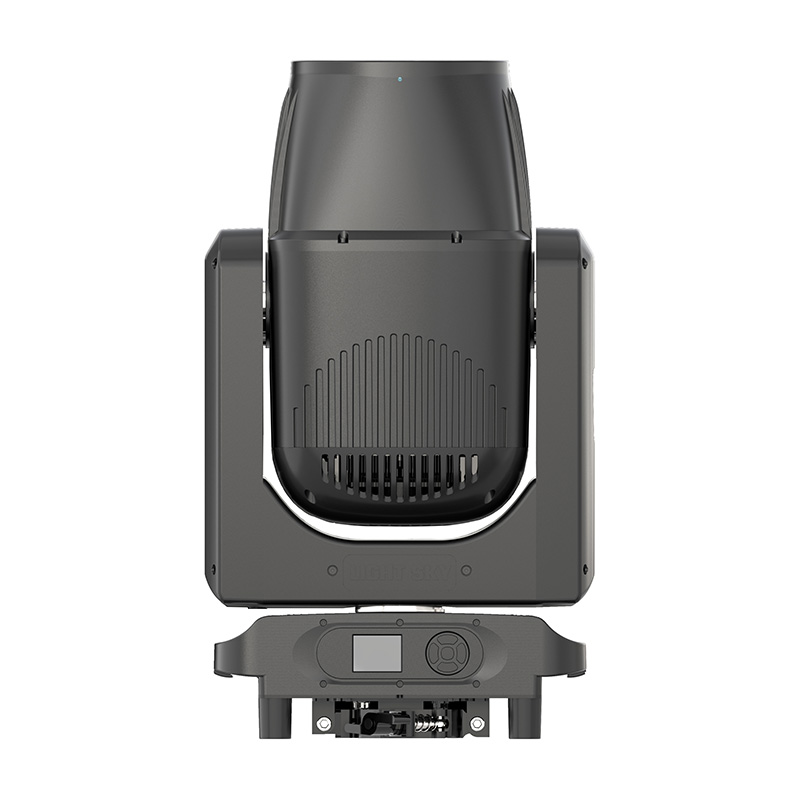
Three golden rules for selecting systems
1) Match fixture output to venue distance and audience size — measure lux rather than relying on lumen claims. 2) Prioritise control simplicity: choose fixtures with intuitive DMX maps or versatile standalone modes to speed programming. 3) Budget for mounting and cabling: a cheap head plus expensive rigging is still costly; factor in clamps, safety bonds, and a spare DMX cable.
Final evaluation and next steps
These rules give you measurable criteria for procurement and predictable results on show night: better focus, faster cues, fewer hassles. For theatre companies and mobile DJs looking to modernise a rig while keeping transport light, compact mini moving head systems are a pragmatic upgrade. When you need balanced performance, durability and a supplier who understands touring realities, consider the product line that blends those priorities—Light Sky offers options that align with these operational needs. –