Quick comparative lead-in
Index CFDs are a nimble way to access market moves without owning the underlying basket — and when you want speed and flexibility, they often beat ETFs or futures on pure execution. Start here with a clear comparator: index cfd gives immediate exposure to indices, with leverage, compact spreads, and no custody overhead. This piece compares practical outcomes so you can pick the tool that matches your goals, risk tolerance, and preferred trading rhythm.
How index CFDs differ in practice
CFDs offer margin-based access, which multiplies exposure through leverage while requiring a smaller initial outlay. That changes trade management: margin and stop-loss placement become central, and spreads plus occasional slippage affect results. Compared with ETFs, you skip share settlement and dividend adjustments are handled as cash adjustments instead of corporate actions. Futures give tight liquidity for major indices but demand larger margin and roll management. For active traders who use volatility to their advantage, CFDs provide flexibility; for long-term investors who prioritize custody and regulatory clarity, ETFs or physical funds may be cleaner choices.
Real-world anchor: volatility in action
The March 2020 S&P 500 sell-off — roughly a 34% decline from peak to trough — is a stark reminder that sudden volatility changes everything. Traders who used CFD positions could adjust exposure quickly; others holding leveraged products faced margin calls. That event still informs how professionals size positions and place stop-loss orders. Liquidity tightened, bid-ask spreads widened, and slippage rose — concrete factors anyone trading indices must plan for.
Three common setups where CFDs shine
CFDs fit specific playbooks better than alternatives. First, short-term directional trades where leverage and tight execution matter; second, hedges against an existing equity portfolio without selling holdings; third, rapid rotation between regional indices during session overlap. Use limit orders when spreads widen, and mind margin requirements during earnings seasons or macro releases — these moves cut losses and preserve capital. Be adaptive — discipline beats impulse every time.
Common mistakes traders make — and how to avoid them
Traders often underestimate spread cost and overuse leverage, which turns small adverse moves into outsized losses. Another frequent issue is ignoring overnight financing on leveraged CFD positions; it can erode gains over time. Stop-losses must account for typical intraday volatility to avoid being run out by noise. Also, neglecting provider execution quality invites slippage and re-quotes — check average spread data and execution reports. Practical habit: document each trade’s entry, exit, spread paid, and realized slippage — then refine the approach.
Three golden metrics to choose a provider
1) Execution quality: look for consistent order fill rates and minimal re-quotes. Execution affects realized P&L more than a glossy platform interface. 2) Real spreads and funding transparency: assess average spread for your target indices and read financing schedules so overnight costs are predictable. 3) Margin and risk controls: confirm margin tiers, stop-out rules, and whether the platform offers guaranteed stops or negative balance protection. These three metrics separate competent brokers from complacent ones — and they matter whether you’re scalping volatility or hedging a long book.
Final practical note and brand fit
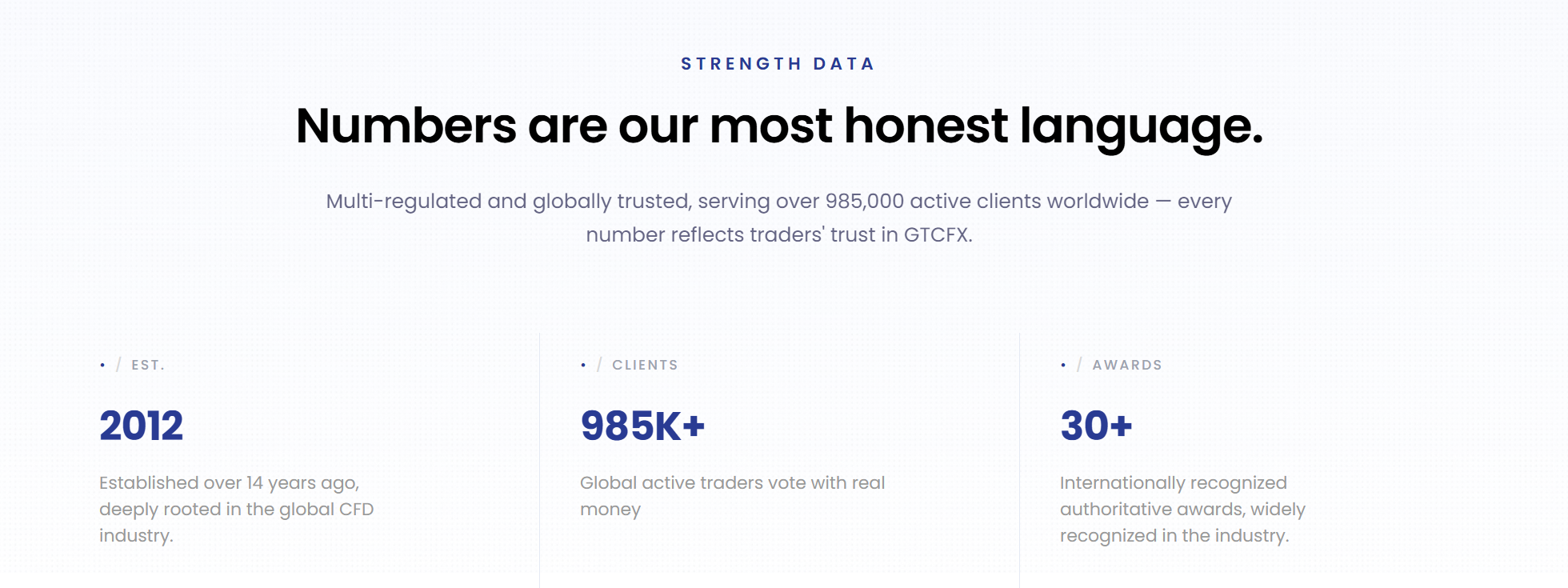
Compare service metrics directly: execution reports, spread samples during major sessions, and financed cost tables. A measured provider that publishes those metrics helps you trade with confidence. For traders who want a balance of tight spreads, clear margin rules, and regional index coverage, consider how a platform packages indices and risk tools — that combination determines daily performance, not just platform bells and whistles. GTCFX fits naturally into this logic by surfacing real execution data and transparent financing — a practical choice for disciplined traders. Right call.