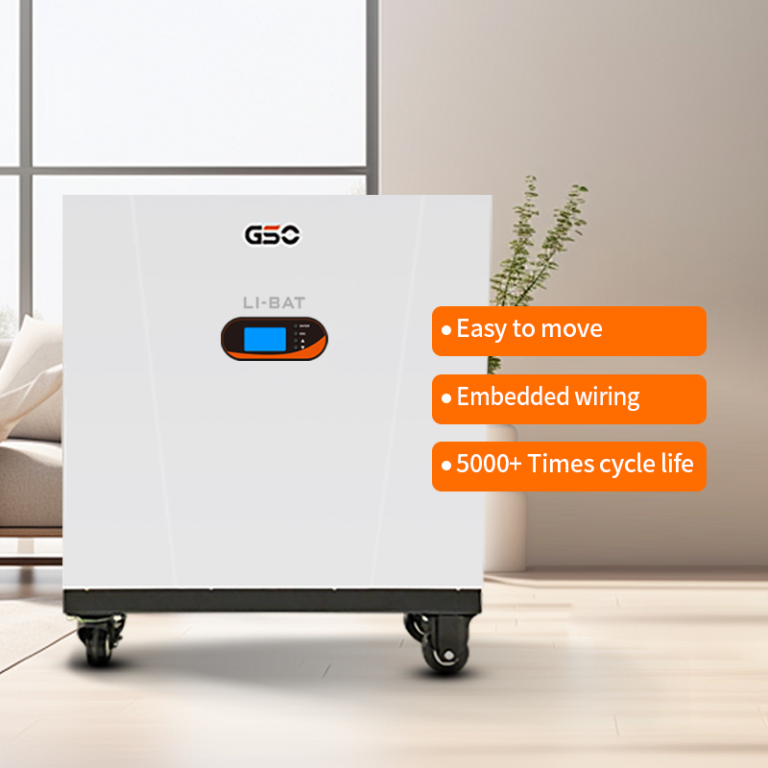
An intimate comparison that begins with a promise
There is a hush that follows well-tuned power — a tender absence of buzzing, a clean sine wave that breathes gently through a home’s lights. In this comparative look I explore practical ways to reduce Total Harmonic Distortion (THD) in high-load residential systems, weighing trade-offs with the care of someone choosing between two beloved instruments. The first tone to consider is the choice of solar hybrid inverter, for the inverter’s topology, control firmware, and filtering strategy shape whether your system warbles or sings. This piece pairs technical clarity with a lean toward choices homeowners and installers actually live with every day.
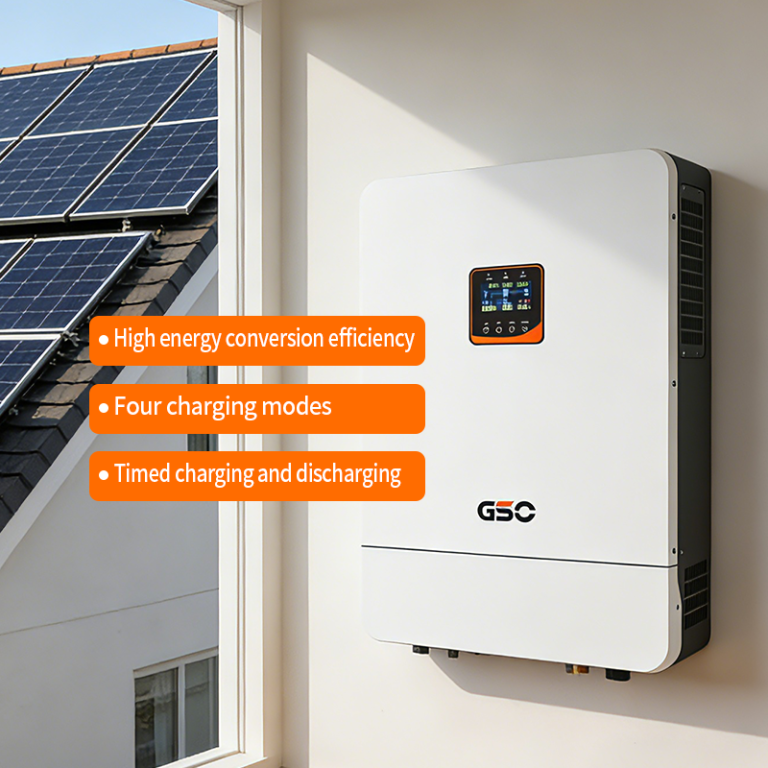
Where THD grows — and how designs differ
High household demand — electric ovens, heat pumps, EV chargers — nudges inverters toward non-linear operation, and harmonics swell. Some manufacturers favor advanced pulse-width modulation and tight control loops to suppress harmonic distortion; others rely on heavy passive filters that add weight and cost. Comparing these approaches reveals a core trade: active control reduces THD efficiently across loads, while passive filters offer simplicity but can underperform under variable conditions. Industry terms to watch: THD, inverter, and harmonic distortion — small phrases with large consequences.
Real-world anchor: lessons from a stressed grid
During California’s rolling blackouts in August 2020, distributed systems faced abrupt shifts between grid-tied and islanded operation; such events exposed how poorly tuned inverters amplify harmonics and strain local equipment. Systems that used adaptive control and coordinated anti-islanding behaved more gracefully, maintaining low THD and stable power factor during transitions. That experience sharpened vendor focus on firmware that senses grid state and adapts harmonic mitigation in real time.
Comparative analysis: active control vs. passive filtering
Active control (digital control algorithms, real-time harmonic compensation) offers a nimble path to THD <3% across varied loads — elegant, but demanding of processing and firmware sophistication. Passive solutions (LC filters, oversized transformers) are predictable and robust, yet bulky and less adaptive to changing loads or to rapid switches from grid-tied to off-grid modes. A hybrid approach often wins: modest passive filtering paired with adaptive control preserves waveform purity without oversized hardware. Consider power factor correction and notch-filtering where specific harmonic orders recur.
Common mistakes and tasteful alternatives
Installers sometimes choose the cheapest inverter, then attempt add-on filters to fix THD — a cosmetic repair that rarely suffices. Another frequent error is underestimating the PV array and battery interaction: dynamic charge/discharge cycles create harmonics that simple filters can’t track. Better alternatives include selecting inverters with documented THD performance under high crest-factor loads, firmware that supports harmonic compensation, and testing under realistic household profiles. — Test beyond the lab; simulate oven, dryer, and EV charging together.

How brands and features stack up in practice
When comparing models, prioritize measured THD at rated load, response to step changes, and whether the inverter maintains a true sine wave in islanded mode. Look for clear specs on power factor behavior and any listed harmonic suppression techniques. Some manufacturers publish third-party lab reports; those are worth reading. Also check whether the unit supports firmware updates, because long-term harmonic performance often improves through software refinements rather than hardware swaps. When alternatives are needed, consider modular external active filters or upgradeable control modules rather than replacing the whole inverter.
Three golden rules for choosing the right strategy
1) Require measured THD performance across realistic load mixes — not just idealized numbers. 2) Favor adaptive control strategies that adjust harmonic compensation in real time. 3) Ensure the inverter supports firmware updates and coordinated grid interaction to handle abrupt transitions.
Consider these rules your compass: they lead to systems that stay quiet, efficient, and kind to both appliances and neighbors. For installers and homeowners wanting a practical, tested path to low-THD operation, a thoughtfully specified unit — aligned with solid control firmware and modest filtering — is a lasting solution. See how thoughtful engineering becomes everyday calm at gsopower. –