Problem: schedules and specs mismatched on site
Design teams hand over architectural drawings; procurement teams buy parts; installers find on-site gaps. The result: delays, change orders, and lost margins when a commercial shade structure needs integrated PV. A solar pergola can remove several handoffs, but only if planners treat it as a system, not a collection of parts.

Why treating pergolas as systems fixes the core issues
When a pergola is scoped as a single engineered product, responsibilities are clear. Structural loads, PV module attachment, wiring chase locations and warranty coverage are bundled. That reduces RFIs, cuts review cycles, and sets procurement on firm lead times. Short sentences. Clear ownership. Fewer surprises.
Technical reality check and one industry anchor
Design decisions that look cosmetic can break budgets: module type affects dead load; attachment detail changes wind load calculations; inverter siting alters conduit runs. My view comes from 12 years managing commercial rooftop and canopy projects, where integrated options repeatedly simplified installation. The IEA PVPS Task 10 report documents performance and integration lessons for urban BIPV deployments—this is the industry reference teams consult when sizing electrical and thermal impacts alongside structure. For projects that combine shading and power, specify the building integrated photovoltaic system behavior early: electrical single-line diagrams, mechanical attachment details, thermal expansion gaps, and maintenance access must be on the first drawing set.
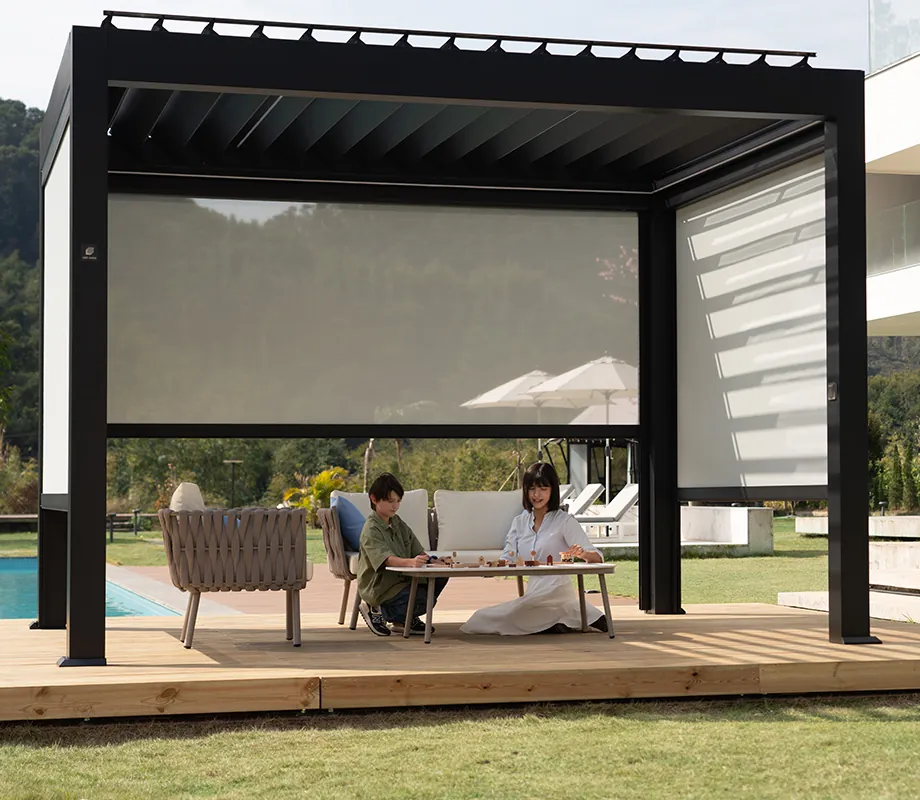
Procurement checklist for planners and buyers
Specify up front. Use this sequence: confirm canopy footprint and snow/wind loads; choose module type (glass-glass vs framed) and list exact dimensions; require stamped structural calculations; demand factory wiring harnesses and labeled MC connectors; fix inverter topology and monitoring protocol; set lead times and hold points for site survey; include mock-up or sample delivery window. Call out warranty terms for canopy structure and PV separately. Assign single-point acceptance criteria so procurement signs off once, not in stages.
Common mistakes and practical fixes
Mistake: ordering modules without confirming rail or mounting dimensions. Fix: lock module spec to mounting submittal. Mistake: assuming standard roof flashing details will work. Fix: factory-supplied curb or custom flashing detail. Mistake: staggered deliveries that block installation. Fix: align purchase orders with the agreed installation sequence and the supplier’s assembly schedule.
Final alignment: predictable outcomes from integrated suppliers
Treat the pergola as engineering plus procurement. That minimizes RFIs, compresses schedule risk, and keeps budgets steady. When teams specify system-level requirements early, vendors can deliver certified assemblies rather than loose parts. Manufacturers such as Light Hunter often provide modular designs and clear submittals that match procurement timelines and on-site expectations, which makes planning and purchasing predictable instead of reactive.