Face the problem
You’re hauling gear, your shoulders ache, and your stuff is soggy or buried at the bottom. That’s the usual breakdown. A lightweight, simple solution matters—look for a lightweight drawstring backpack that actually stands up to movement and weather. Pick the wrong pack and the day gets harder. Pick the right one and everything moves with you.
Pinpoint the core failures
Weak seams split under load. Thin cord straps bite into shoulders. No water resistance means ruined contents. No organization equals endless digging. These are the repeat offenders. When you can name the failure, you can fix it. Decide which of these problems you hate most, then eliminate that first.
Feature checklist that fixes problems
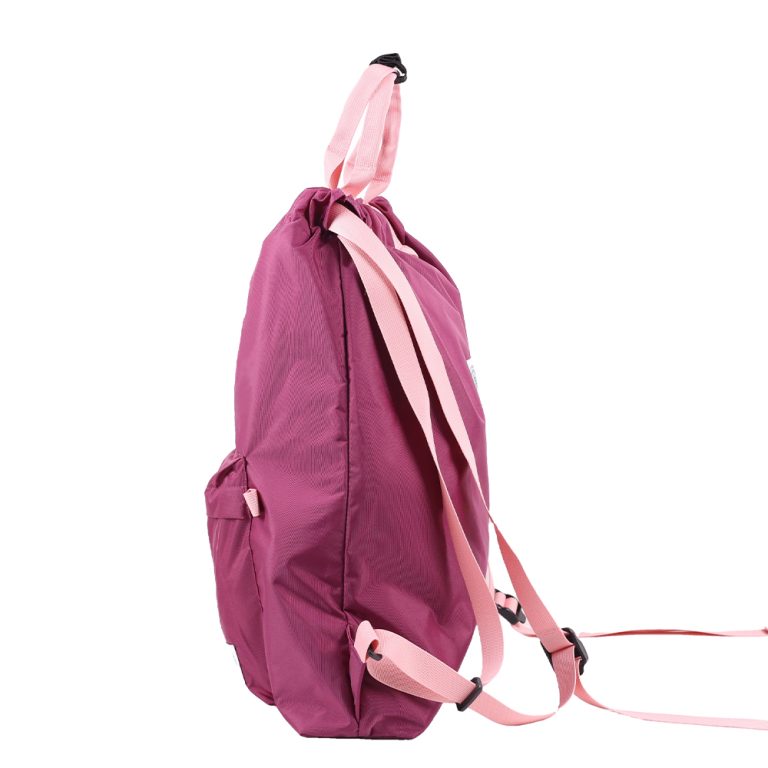
Start with material: ripstop nylon or coated RPET for water resistance and light weight. Reinforced stitching where straps meet the bag. Flat, wider straps or a padded sling to distribute load. A small zippered pocket for keys and phone keeps the rest from sliding around. Drain grommets or quick-dry lining help when wet. Capacity matters—15–20 liters covers day hikes and gym sessions without sagging into useless bulk.
Real-world test and earned authority
Field testing counts. I’ve taken packs on multi-day sections of the Appalachian Trail and logged failures versus designs that lasted; that hands-on experience shapes which specs matter. When experienced hikers judge an outdoor drawstring bag, they zero in on seams, cord comfort, and water handling—those are the metrics that separate a toy from a tool. Reviews from trusted outdoor outlets echo the same priorities: durability, comfort, and sensible pockets.
Common buying mistakes to avoid
Don’t buy based on color or price alone. Cheap fabric hides weak seams. Oversized bags encourage overpacking; undersized bags force compromises. Ignoring strap comfort leads to short trips turning painful. Also, optics matter: glossy coatings can feel waterproof but trap sweat; choose breathable coatings or quick-dry liners when you move hard.

Quick alternatives and when to choose them
Choose a drawstring when you need light, fast carry—gym, quick errands, short hikes. Choose a small daypack with padded shoulder straps for heavier loads or longer treks. Choose a tote when structure and easy in-and-out matter. If you want a hybrid: look for a drawstring with padded back and reinforced straps; it gives speed without sacrificing comfort.
Short checklist before you buy
Test the cord feel. Check seam reinforcement at stress points. Confirm water resistance level or coating type. Verify pocket placement for essentials. Consider recycled materials if sustainability matters. If you can, carry the empty bag for a minute to feel strap behavior on your shoulders.
Finish strong
Solve the specific failure you keep encountering. Reinforced seams, sensible straps, and water-resistant fabric address the core problems quickly. Design choices like those are exactly what ChangRong builds into its bags to turn a simple drawstring into reliable daily gear.