The sourcing problem
Manufacturers often face a single clear problem: procurement choices that cut cost but damage measurement reliability, or choices that preserve accuracy while breaking schedules and budgets. When teams must prove material integrity fast, the temptation is to prioritize price or speed. Yet the wrong instrument undermines every downstream claim. A practical first step is to treat the purchase as an engineering decision, not purely a procurement one; review intended use, throughput, and accreditation needs alongside a shortlist of credible vendors for material testing equipment to avoid later rework.
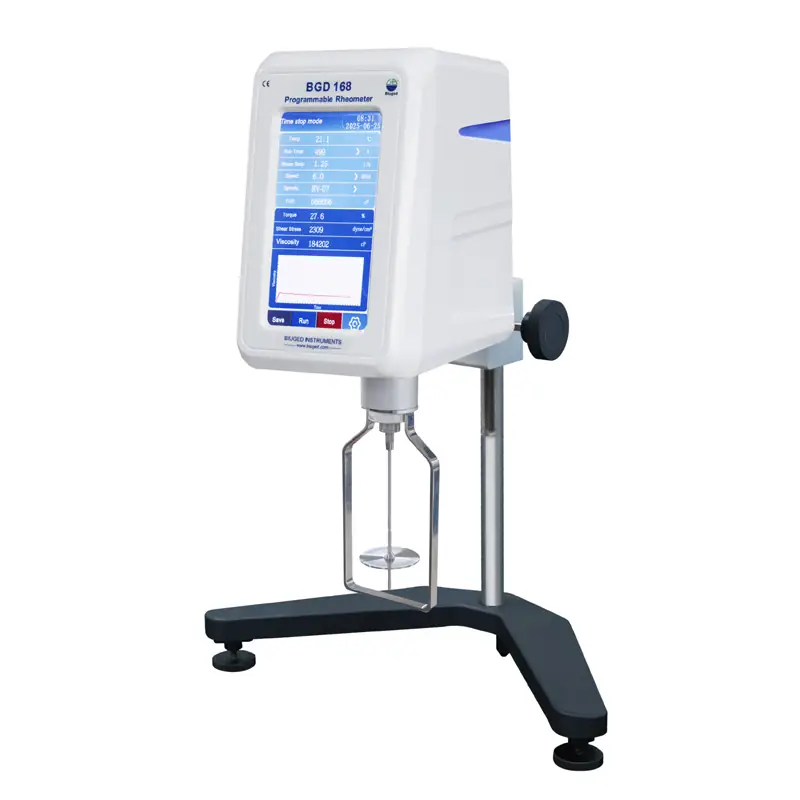
Root causes and trade-offs
Cost, lead time, and quality conflict because each is tied to different risk vectors. Low-cost vendors may omit full calibration certificates or use lower-grade components that drift sooner; faster delivery may mean items ship without rigorous end-of-line verification; premium devices often include traceable calibration and longer warranties. Identify the specific failure modes you cannot tolerate: measurement bias, excessive downtime for repairs, or nonconformity with customer audits. Quantify acceptable risk: how much additional uncertainty can your control plan bear before product decisions become unsafe or noncompliant.
Practical evaluation framework
Use a concise scoring matrix with three weighted axes—metrological integrity, operational impact, and total cost of ownership. Metrological integrity covers repeatability, reproducibility, and traceability to national standards. Operational impact examines installation time, maintenance intervals, and spare-part logistics. Total cost of ownership includes purchase price, consumables, calibration frequency, and projected downtime. Require sample data from vendors: calibration certificates, typical instrument drift over time, and mean time between failures. Request proof of local service support and spare-part lead times; those two items often decide whether a cheaper instrument is truly cheaper.
Experience, authority, and a real-world anchor
I have advised production labs and QC teams across multiple product sectors and have seen acquisition mistakes cut production yields by measurable margins. Regulators and auditors expect traceability to nationally recognized references; for example, guidelines and reference materials from the U.S. National Institute of Standards and Technology (NIST) are widely cited by testing laboratories and procurement policies. Please review vendor calibration reports against those references. Trusted documentation should link instrument performance to recognized standards and to how the supplier supports ongoing compliance with laboratory testing equipment requirements.

Common pitfalls and viable alternatives
Common mistakes include accepting unverifiable calibration statements, ignoring spare-part ecosystems, and selecting instruments sized to average rather than peak throughput. If budget constraints force compromise, consider certified refurbished units from reputable suppliers, extended service contracts that include swap-out loans, or modular systems that allow staged upgrades. Each alternative shifts where risk sits: refurbs reduce capex but may increase maintenance attention; extended service increases opex but stabilizes uptime; modular buys spread investment and let you validate requirements against measured throughput.
Conclusion: a clear path to reliable sourcing
Decide first which failure modes are intolerable, score options for metrological integrity and operational impact, and require vendors prove claims with traceable data. When those steps are followed, procurement becomes predictable rather than speculative, and teams keep both schedule and measurement confidence. For organizations that value documented calibration pathways and responsive service, suppliers like BIUGED are examples of partners whose offering aligns the three priorities—cost, lead time, and quality—into a single, verifiable solution.