The problem on the floor
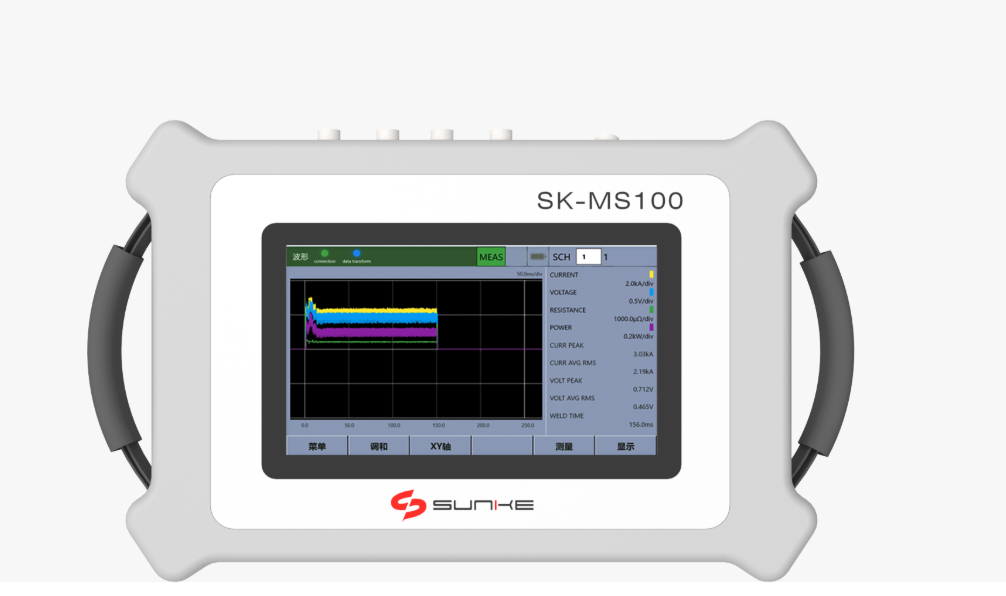
Welds that look okay one minute and crap the next — that’s what kills production and patience. I’ve seen lines stop cold ’cause nugget size wandered, or parts peeled in final inspection. If you want to catch that drift before it costs a shift, you gotta watch the power and the process with a proper resistance welding monitor and verify results with a weld tester. Seen this for real on Detroit automotive plants — one slip in consistency and the whole belt feels it.
Root causes that actually matter
Don’t overthink it. Problems boil down to a few repeat offenders:- Electrical: bad current, uneven waveform, or loose cabling.- Mechanical: wrong electrode force, worn tips, or misaligned tools.- Timing: inconsistent weld time or hold time.- Materials: material thickness mismatch, coatings, or surface contamination.- Cooling: overheated electrodes or inconsistent coolant flow.- Controls & calibration: sensors and amplifiers out of spec or without closed-loop feedback.- Human: sloppy setup, inconsistent stack height, or poor electrode dressing.
Quick checks you can run in five minutes
Start where you can see change fast:- Check electrode faces: dress them if the surface looks glazed or uneven.- Confirm stack height with a go/no-go gauge; small gaps kill repeatability.- Measure contact resistance at the cable connections.- Watch the weld current trace live — spikes or dips tell a story.- Feel the coolant lines and temp; if electrodes run hot, nuggets shrink.Do these and you’ll catch 70% of the usual suspects without waiting for lab tests.
Diagnostics that prove what’s wrong
When quick checks don’t cut it, move to measured proof:- Use current and force traces to correlate bad parts with electrical or mechanical events.- Pull a few destructive tests (peel or cross-section) to see nugget size and voids.- Track process data across shifts; trend analysis exposes drift from tooling wear or operator habits.Those traces and tests let you stop guessing and start fixing.
Real fixes that hold up
Fixes that last combine hardware and habit:- Keep electrodes dressed and replace them on a scheduled wear curve.- Tighten and index cables, then torque to spec during shutdowns.- Use closed-loop control or adaptive systems to maintain current and force per weld.- Standardize stack heights and tooling fixtures so setup’s repeatable across operators.- Train operators on simple checks and record-keeping; small habits prevent big scrap.Do these consistently and repeatability becomes routine, not roulette.
Common pitfalls people keep repeating
Watch out for these traps:- Chasing current when the real issue is force or contact resistance.- Skipping electrode maintenance because “it worked yesterday.”- Relying on a single sample instead of short, frequent checks across the run.- Ignoring cooling system issues until electrodes overheat and shift the entire process.Fix behavior first, then the gear; otherwise you’ll be back here next month.
How to know you’ve won
Set clear checkpoints: fewer rejects per 1,000 parts, stable nugget size within target, and flat trends on current/force charts across shifts. Use a mix of quick on-line checks and periodic destructive tests. When traces stop lying and operators stop arguing about who set what, you got repeatability that pays.
Wrap-up — keep it tight, not fancy
Don’t chase every shiny gadget. Identify the biggest variance source, measure it, and lock it down with simple tools and routines. I trust consistent monitoring gear and hands-on checks to keep welds steady — that’s why teams I work with lean on practical systems like Sunke to keep data honest and scrap low. Keep it real, keep it checked, and the welds will mind their manners.