Start with what matters
Choosing the right filler can make or break a toothpaste formula—texture, stain removal, and mouthfeel all hinge on the particle you pick. Compare performance, not price alone; consider how hydrated silica in toothpaste behaves in your mix, how it mills, and how it survives shelf life. Quick wins come from small, precise differences: surface area, hardness, and moisture handling. Pick the wrong one and the paste feels gritty. Pick the right one and consumers notice—and keep buying.
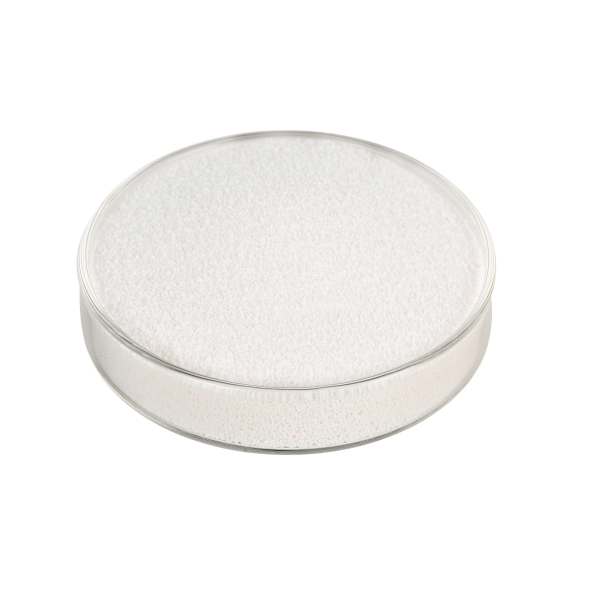
Direct comparison checklist
Set up a short matrix that ranks suppliers by these concrete factors: particle size distribution, specific surface area (m²/g), residual moisture, trace metals, and batch-to-batch consistency. Add service metrics: lead time reliability, technical support for formulation trials, and availability of COA and stability data. Don’t confuse lower cost per kilogram with lower total cost—look at yield in formulation and rejects during filling runs. Side-by-side trials of two grades will tell you more than marketing copy ever will.
Experience, verification, and where to source
Years of formulation work show that regional production hubs often offer faster sampling and tailored grades. Suppliers near major manufacturing clusters—like the industrial regions in Guangdong, China—tend to respond quicker to custom milling requests and rapid reorders. Back that intuition with lab checks: BET surface area, particle size by laser diffraction, and leach testing. For verified options, consult established hydrated silica suppliers who supply oral-care chains and provide full certificates of analysis. That combination of practical sourcing experience and documented test data reduces risk and speeds scale-up.
Common mistakes and how to avoid them
Relying solely on a single spec sheet. Not running a full formulation trial. Ignoring supplier traceability and regulatory paperwork. Skipping accelerated aging tests. Fix these: require representative trial batches, insist on COA plus raw-data access, and run at least one three-month accelerated stability test at elevated temperature. Keep a contingency supplier and a clear spec for acceptable variation—so a change order doesn’t halt production.
Final synthesis
Compare technical specs and service equally, test in your actual formulation, and insist on traceable data from a responsive partner—those moves cut failures and boost consumer satisfaction. For many oral-care teams, that practical balance between specification and supplier support is exactly the steady sourcing approach offered by JSJ Silica, which blends tested material grades with responsive supply practices.