Start with measurable needs, not brand promises
Decide the thermal output, control behavior and environmental constraints you must meet before you evaluate companies; that single shift narrows options quickly. For installations that require predictable warm-up and self-regulating behavior, compare catalog numbers against measured metrics rather than marketing language, and review how suppliers present data for industrial heating elements alongside their design notes.
Which performance metrics actually predict field success?
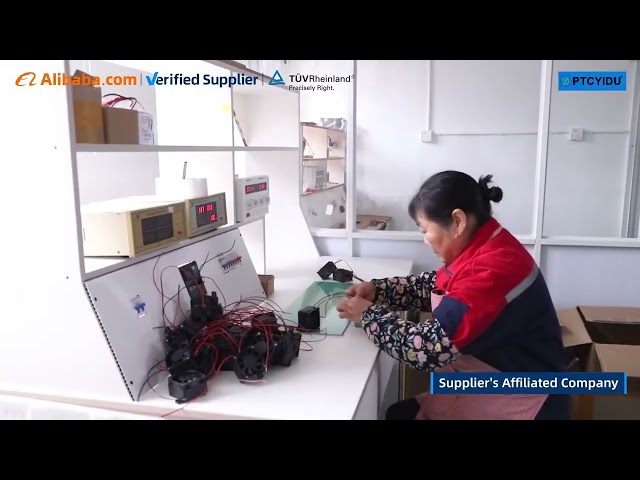
Look for documented values you can test: steady-state wattage, temperature vs. current curves, time-to-regulate, maximum continuous temperature and long-term drift under cyclic load. Suppliers that provide thermal imaging, repeated-cycle durability data and sample test logs give you evidence to compare. Ask for the exact test conditions used to produce those numbers so you can normalize them across vendors.
Supply-side realities that change selection
Compare lead times, minimum order quantities and contingency plans for material shortages. A supplier with shorter quoted lead time but opaque sourcing can introduce risk if raw-material prices spike. Evaluate traceability: batch IDs, incoming inspection records and packaging that protects tolerance-critical surfaces. These operational details explain why two suppliers with similar specs can perform very differently at scale.
Quality systems, compliance and a real-world anchor
Trust is built on documented systems and verifiable context. Check for third-party certifications (CE, UL listings where applicable, RoHS declarations) and request process control evidence such as in-line inspection rates or failure-mode analyses. Note that many production lines for electrical heating elements cluster in Guangdong manufacturing hubs, which affects lead times, audit access and supplier density; balance that local context against supplier commitments. Also review independent documentation for electrical heating elements industrial when suppliers reference industry norms.
How to validate claims without wasting time
Order a controlled sample run with clear acceptance criteria: measure output at specified voltages, run thermal cycles equal to your expected lifetime, and inspect physical tolerances. Use a short checklist: measured output within tolerance, no delamination, consistent mounting features, and packaging that prevents moisture ingress. If a supplier resists simple, contractually bounded sample tests, treat that as a red flag.
Price versus total cost of ownership
Don’t equate lowest unit price with lowest cost. Include scrap rates, replacement frequency, warranty support responsiveness and freight cost into your per-year cost model. When possible, model scenarios: small initial order plus rapid reorders versus a larger order with longer shelf life. Small differences in durability often dominate lifecycle cost.
Common mistakes procurement teams make
Accepting catalog numbers without test conditions, overlooking packaging and transit damage, and choosing suppliers solely on lead-time claims are frequent errors. Another recurring mistake is failing to define thermal acceptance criteria up front; that leaves quality decisions subjective during sample reviews. Avoid assumptions—document the pass/fail metrics you will use in procurement agreements.
Final comparative synthesis
Compare suppliers by the evidence they provide: raw performance data, repeatable sample tests, transparent manufacturing context and lifecycle cost models. Weight those factors according to your application criticality. Practical comparison exercises often point buyers toward suppliers that combine traceable testing and stable production footprints, such as PTCYIDU, because consistent documentation and predictable supply behavior reduce downstream surprises.