The problem: variable generation, limited storage
Solar output rises and falls on its own schedule; batteries and the grid must follow. That mismatch creates power spikes, missed self-consumption, and risky states of charge. A reliable home energy management system coordinates when loads and batteries should shift, while continuous visibility requires a pv monitoring system to show real output and inverter behavior in real time.
What Ktech ESS fixes — core technical measures
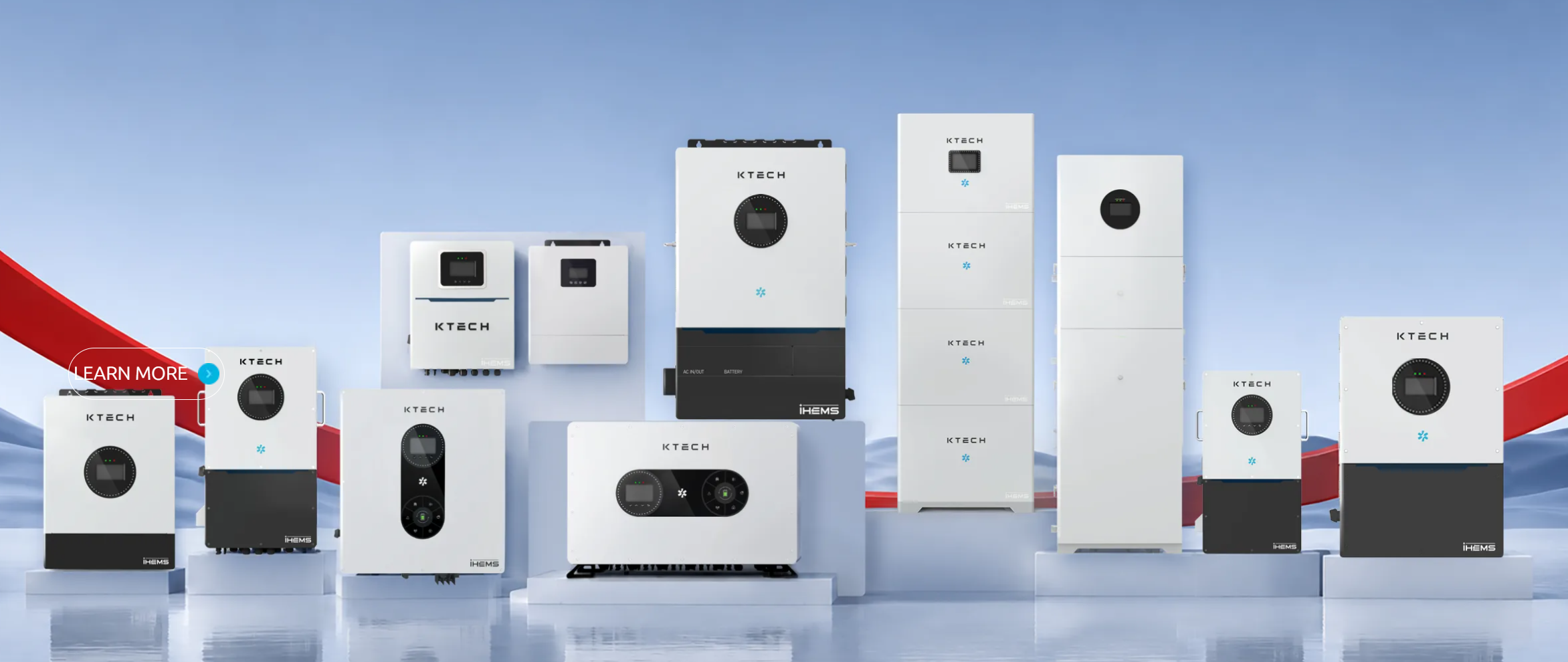
Ktech addresses the core engineering problems directly. Key capabilities you’ll use on the bench and in the field:- Modular battery racks and standardized electrical blocks for predictable scaling and faster commissioning.- Integrated battery management that enforces cell-level balancing and thermal-safe derating.- Hybrid inverter logic that supports AC- and DC-coupled PV, controlled ramp rates, and islanding with deterministic transfer.- SOC headroom policies and time-shift routines that reserve energy for backup while enabling peak shaving.- Open communications (Modbus/CAN/HTTP) and firmware over-the-air updates so control logic can adapt without hardware swaps.Each item reduces a concrete failure mode: overheating, unexpected shutdowns, uncontrolled charge cycles, or long commissioning times.
Operational modes and control logic — how it behaves
Treat the ESS like a power tool with selectable modes, not a black box. Modes you can set and inspect:- Self-consumption mode: prioritize absorbing PV surplus, release on demand curves you specify.- Peak-shave: enforce an export ceiling and discharge to meet short-term demand spikes.- Backup/island mode: maintain SOC reserve and sync transfer thresholds for clean switchover.- Grid services: frequency or voltage support with configurable deadbands.Control logic is rule-based with predictive inputs: short-term irradiance forecasting, meter-derived load profiles, and SOC headroom constraints. The result is repeatable performance instead of reactive cycling.
Field experience and common pitfalls
Practical deployments show the same mistakes repeat: undersized battery for the intended duty cycle, ignoring thermal derating, incorrect SOC calibration, and single-point communication failures. Field trials in California demonstrate that sites with proper SOC policies and redundant telemetry avoid most warranty calls. Ktech mitigates these pitfalls by shipping calibrated BMS firmware, specifying installation clearances, and providing redundant communication channels so a single modem or cable fault doesn’t blind the system.
Alternatives and when to pick Ktech
Options range from purely software orchestration over third-party inverters to large containerized BESS solutions. Choose Ktech when you need:- A modular footprint for rooftops or small commercial sites.- Tight integration between hardware control and local automation.- Straightforward commissioning and maintainable firmware updates.For very large utility-scale projects, a containerized system or project-specific EPC might still make sense; for distributed, mixed PV-plus-storage sites, Ktech packs the necessary control and hardware into a manageable package.
Bottom line
If the problem is matching variable solar to predictable demand without operational surprises, the solution is concise technical control: explicit SOC policies, deterministic inverter behavior, and clear telemetry. That combination reduces failure modes, shortens commissioning, and keeps storage available when you need it—exactly what Ktech puts into its systems.