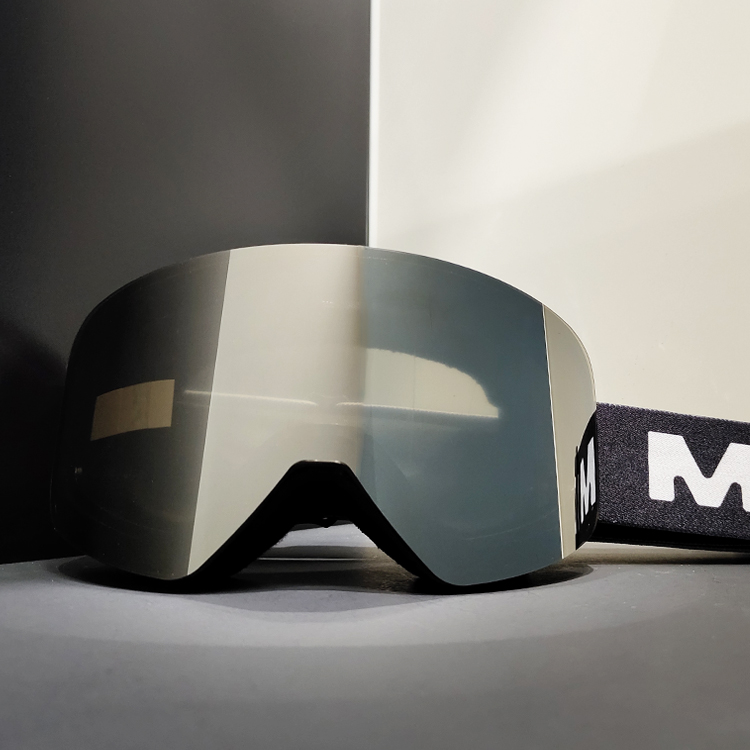
Comparative lead-in from a long view
After decades watching frames and lenses come and go, I still find the most telling differences show up at the micro level — the substrate. When I compare suppliers, the first thing I ask is whether they source true grade-A polycarbonate. That question led me to dozens of conversations with OEM eyewear manufacturers, and to a clear pattern: optical clarity, impact resistance, and consistent edge quality separate the decent from the dependable.
How grade-A polycarbonate stacks up against alternatives
Polycarbonate versus glass, acetate, and lower-grade thermoplastics reads like a checklist. Grade-A polycarbonate delivers high impact resistance and low refractive distortion while staying light. Glass scores on scratch resistance but loses on weight and shatter safety. Cheap thermoplastics save cost but show optical aberrations and warpage after heat cycles. In practical terms — and I’ve tested frames on windy coastal rides and busy race days like the Tour de France — clarity under stress matters most to athletes and outdoor workers.
Performance features that actually affect wearers
Three features repeat in successful designs: precise injection molding, consistent lens coating, and reliable UV protection. Injection molding governs tolerance and edge finish; a sloppy mold leaves thin spots and visible distortion. Lens coating — anti-scratch and hydrophobic treatments — changes how clarity holds up over months. UV protection and polarization influence comfort and glare control. Choose suppliers who specify coating processes and adhesion tests, not just marketing terms.
Manufacturing trade-offs and what they mean for buyers
Factories balance cycle time, tooling cost, and yield. Faster cycles can save money but raise the odds of stress birefringence — that subtle rainbow you see at certain angles. Longer cooling and controlled annealing reduce internal stress and improve clarity. Those are measurable steps; ask manufacturers for their warpage and birefringence tolerances. I learned this the hard way — a contract that favored speed produced a batch with slight but unacceptable haze. Not all defects are obvious at first glance.
Common mistakes and practical alternatives
Buyers frequently accept vague specs or ignore post-molding processes. The result: frames that look fine on the bench but disappoint outdoors. Avoid these pitfalls by insisting on sample validation under real lighting and motion. Alternatives to grade-A polycarbonate exist — photochromic or glass composite lenses for specialists — but they carry trade-offs in weight, impact rating, or cost. For sports applications, the balance usually favors grade-A polycarbonate with targeted coatings; for premium fashion eyewear, laminated glass or high-index plastics might win out.
What to request from a supplier — checklist for clarity and durability
When assessing bids from suppliers, use a short, practical checklist: documented material grade, birefringence testing, coating adhesion reports, and sample validation in outdoor conditions. Also verify manufacturing processes like injection molding parameters and annealing cycles. Suppliers who accept that scrutiny tend to produce consistent results — and they often serve both OEM and wholesale channels with transparent testing, as seen in the global sports sunglasses wholesale market.
Lessons drawn and a simple buying framework
Comparative insight boils down to three clear lessons: prioritize material honesty, demand process transparency, and validate under realistic conditions. Those lessons reflect long experience and simple physics: fewer internal stresses and better coatings equal clearer vision. The economics follow; higher upfront material and controlled production pay back in fewer returns and better brand reputation.
Advisory: three golden rules for selecting materials and partners
1) Insist on grade-A certification and ask for birefringence numbers — measurable, not vague. 2) Require post-mold coating reports (anti-scratch, hydrophobic) and sample wear tests under sun and spray. 3) Favor suppliers who outline injection molding parameters and annealing steps; process control matters as much as the resin.
I’ve seen manufacturers adapt these rules and reduce field failures. Small changes in specification prevent big headaches — and that practical reliability is exactly where YIJIA Optical fits into the picture: experienced, process-aware, and focused on turning grade-A materials into lenses that actually perform in the real world. —