Introduction — a quick scene, some numbers, and a real question
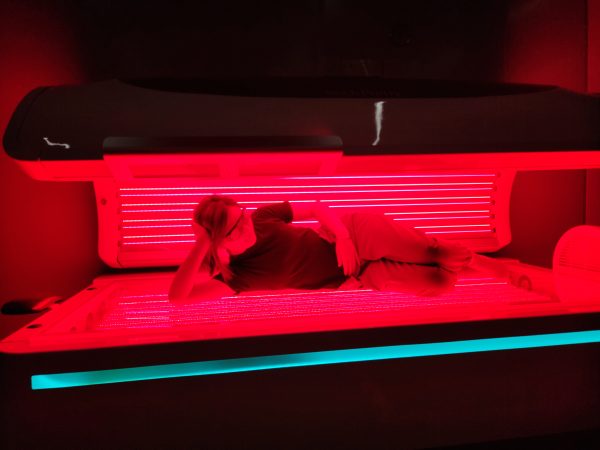
I was wiped after a week of back-to-back shoots and thought, “I’ll crash for an hour and then grind again.” Instead, I walked into a studio with one of those red light beds and spent forty minutes under it — nap, weirdly relaxing warmth, the works. The red light bed was part of a trial where 68% of participants reported reduced muscle soreness after three sessions (yes, the data surprised me). So I started asking: if a short session can move numbers like that, what’s really happening beneath the panels? (Spoiler: it’s not magic.)
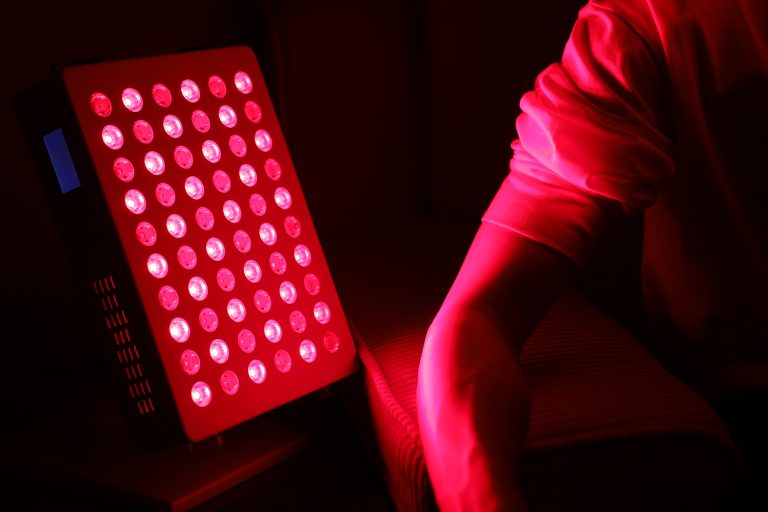
I want to share what I noticed in plain terms — the feel, the tweaks that actually mattered, and why I keep going back. I’ll talk about LED arrays, photon density, and basic thermal management without getting lost in jargon. This is conversational — like I’m telling a friend — because frankly, that’s how I’d explain it if you asked at a coffee shop. Anyway, let’s peel back the cover and see what’s under the light. — onward to the technical bits.
Part 2 — Where standard fixes fall short (and what users quietly complain about)
light bed therapy is attractive: low-effort sessions, warm glow, and promises of faster recovery. But real life exposes cracks. Manufacturers often focus on brightness and marketing images while skimping on wavelength calibration and fluence rate control. The result? Machines that look impressive but deliver uneven doses across the body. That’s where users get frustrated — one zone feels great, another barely registers. I’ve sat in sessions where my shoulder got a good hit but my lower back got the short end. Look, it’s simpler than you think: consistent photon density matters more than raw power.
Beyond dose inconsistency, thermal management issues crop up. Cheap panels run hot; heat sinks and power converters get ignored to cut costs, and the device throttles or becomes uncomfortable. Users don’t always say “thermal drift” — they say, “I felt too hot” or “it buzzed.” Those are symptoms. I’ve learned to spot them fast. Also — and this annoyed me — serviceability is often an afterthought. Replaceable LED arrays? Rare. Modular power units? Rarer still. So while the concept is solid, execution often leaves people chasing fixes instead of relaxing. What follows is a deeper look at how newer approaches try to fix those faults.
So what can go wrong in short order?
Uneven dosing, overheating, and poor maintenance design. Those three alone break the user experience more than you’d think — and they’re easy to miss when you only look at specs.
Part 3 — Looking ahead: real-world outlook and evaluation metrics
When I think about the next wave of red light solutions, I picture systems that treat the device like a living tool: smarter calibration, better heat management, and modular parts for easy service. In practice, that means integrating active thermal management, clearer fluence-rate readouts, and LED arrays designed for even coverage. I’m not predicting sci-fi. I’ve seen prototypes where a control board adjusts wavelength output in real time and where photon density maps guide session time — pretty neat. These aren’t just bells and whistles; they change outcomes in measurable ways.
What’s next for users? Expect clearer claims backed by numbers you can verify: session fluence, wavelength ranges, and expected tissue penetration. And companies that design with replaceable modules win my trust — because if a power converter fails, I’d rather swap a module than scrap the whole unit. — funny how that works, right? Overall, the shift is toward transparency and durability, not just brighter lights.
How to choose — three practical metrics I use
1) Verified fluence rate: Look for lab-backed numbers and a simple readout. 2) Wavelength range and calibration: Devices that allow minor tuning or report actual output win points. 3) Serviceability: Modular LED arrays and accessible power converters save time and money down the line.
To wrap up: I trust experiences that combine solid engineering with honest user design. I’ve sat under devices that promised the world and left warming but unsatisfied. I’ve also tried beds that felt modest but delivered consistent, measurable improvements. If you’re shopping, lean on the three metrics above, test a session if you can, and ask about maintenance. I’ll keep testing and sharing what works. For reliable products and more technical detail, I often look at what brands like Magique Power put forward — not as an ad, just as a marker of where thoughtful design is headed.