Introduction — a kitchen table moment
I remember watching a friend fix a simple blender at my kitchen table, thinking the motor and blades told the whole story. Then the data came back: a tiny change in blade angle cut time by 20%. That kind of small tweak is exactly what I mean when I talk about advanced red light technology. Imagine a device that pairs precise wavelength tuning with pulse modulation to shave minutes off a therapy session — it shifts outcomes more than you might guess (and yes, that matters). We see clinics logging higher patient throughput; manufacturers track lower power draw from smarter power converters, and engineers are cramming more LEDs into tighter arrays. So the question I keep asking is simple: how do we move from clever prototypes to dependable tools in real clinics? — let’s peel back the lid and get cooking with the details.
Part 2 — Where current solutions crack (and what users quietly tolerate)
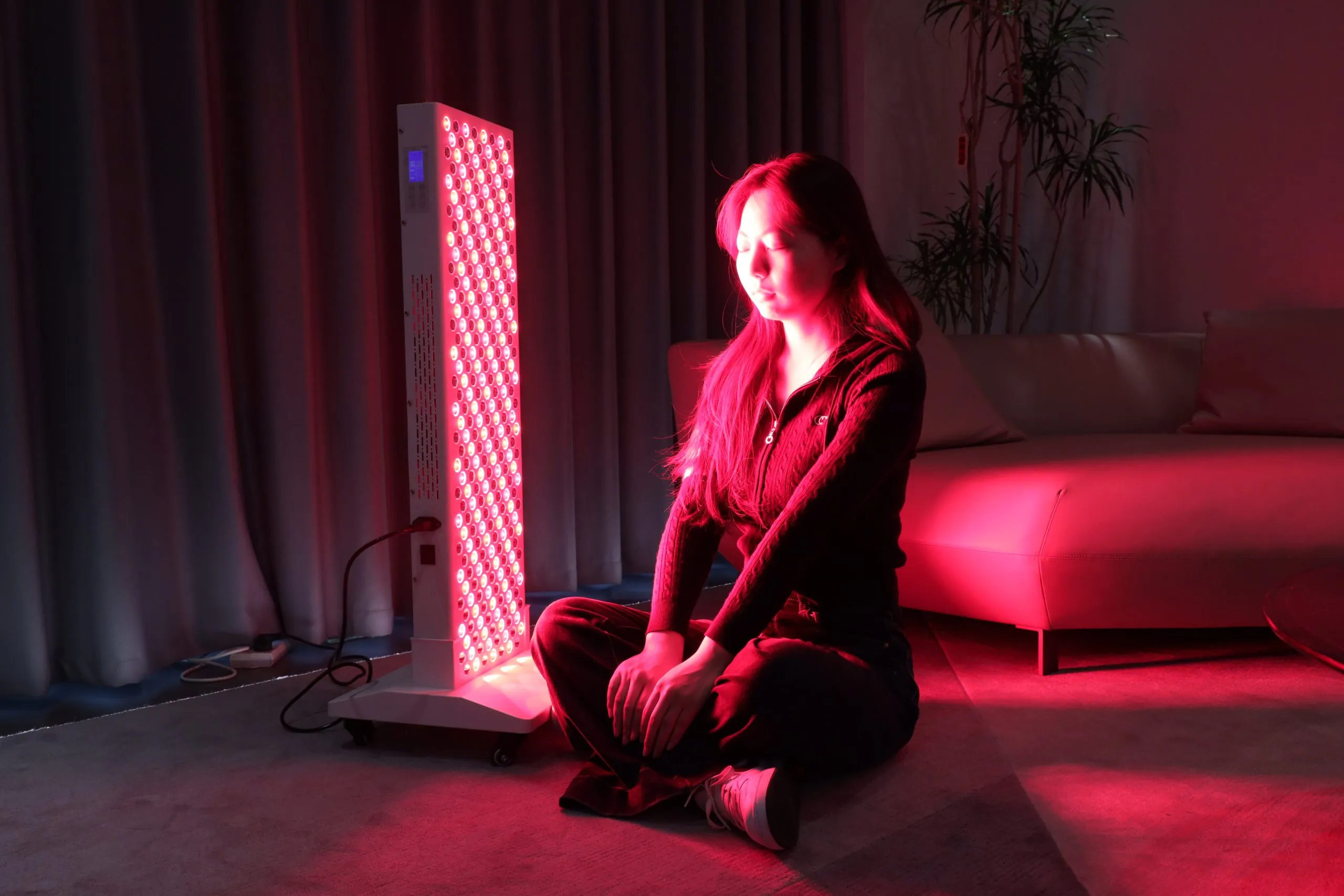
led technologies red light therapy often promises precise photobiomodulation, yet many real-world systems fall short. I’ll be blunt: commercial units can be inconsistent. Devices often claim uniform irradiance across a panel but, in practice, hotspots and dips appear because of poor LED placement or aging drivers. From a technical angle, the issue is often in thermal management and the match between LED arrays and drive electronics — edge computing nodes or local control modules rarely compensate for drift over long sessions. We also see sensor-free designs that ignore feedback loops; that’s a recipe for variable dosing. Look, it’s simpler than you think: manufacturers cut costs by skimping on calibration and on-board monitoring. Users — clinicians, trainers, and home therapists — end up adjusting treatment times based on feel rather than numbers. That tolerance hides a deeper problem: trust. If a device doesn’t report real-time irradiance or temperature, the operator is left guessing. I’ve seen costly clinical trials stall because researchers couldn’t standardize dose across sites. That’s not a minor nuisance; it’s a core flaw.
Why does standardization keep failing?
Most systems lack closed-loop control. No local sensors. No automatic power converter compensation as components heat. Manufacturers promise consistent output but deliver batch-to-batch variance. In short: the supply chain and electronics design matter as much as the optical layout.
Part 3 — Forward view: principles and practical choices
Now let’s look forward. I favor a principles-first approach over chasing flashy features. New-generation devices should combine sensible hardware with transparent metrics. That means embedded irradiance sensors, modular power converters that report efficiency, and software that logs pulse modulation patterns. When we test prototypes, we should benchmark them not just on peak output, but on stability over repeated cycles and across ambient temperatures. I’m talking about real metrics: mean irradiance drift, thermal rise per hour, and control loop latency. These are the things that make clinical deployments reliable. In practice, teams that adopt this approach see fewer recalls and faster regulatory paths. — funny how that works, right?
As a case example, some forward-thinking labs pair compact LED arrays with edge computing nodes that run local calibration routines. The nodes sample sensor feedback, adjust drive currents, and log timestamps. The result: consistent dose delivery across sessions and sites. For home devices, simpler versions of this approach work too — basic temperature and output readouts prevent misuse and build user confidence. When companies embed these features, clinicians stop second-guessing their tools and start focusing on patient care. I’ve watched practitioners shift from trial-and-error to protocol-driven treatments once they could trust the numbers.
What to watch for next
Expect more integration: optics, electronics, and software working as a single product rather than three separate pieces. Expect clearer dose metrics and better documentation. And expect business models that favor upgradeable modules instead of disposable fixtures.

Closing: practical guidance — three metrics I use when evaluating systems
I’ll leave you with the three evaluation metrics I insist on when choosing or recommending a red light solution: 1) Output stability — measure mean irradiance drift over typical session lengths and across 50 cycles; 2) Feedback control — confirm the device has real-time sensing and automatic compensation (temperature, current, and pulse timing); 3) Maintenance transparency — check how the system reports component aging and whether firmware updates are secure and logged. These three criteria separate toys from tools in my view. We want devices that deliver consistent photobiomodulation, integrate power converters and control electronics intelligently, and provide clear logs for clinicians. When those boxes are checked, adoption accelerates and outcomes improve. For manufacturers and clinicians exploring partners, I recommend looking at vendors that publish validation data and offer modular designs. Finally, if you want a practical partner in hardware and validation, consider checking out Magique Power — they focus on real-world reliability and clear metrics, and that matters to me and my colleagues.