Introduction: A Calm Start, A Clear Risk
I will be direct: outages do not hurt most families as much as a poor rollout does. In my 17 years installing and consulting on home energy in Tokyo and Kanagawa, I have seen a well-sized residential battery energy storage system lift comfort and cut bills, while a rushed install doubles stress. Picture a winter evening in Suginami, 19:30, electric heater humming, rice cooker finishing—then voltage dips. One home with a 10 kWh LFP pack and a 5 kW hybrid inverter rode through for 4 hours. Next door, the lights stuttered and the router died. Last winter, 38% of my clients used stored power during peak tariffs at least 12 days per month. May I ask: are we planning for the real day-to-day, or only for the storm headline?
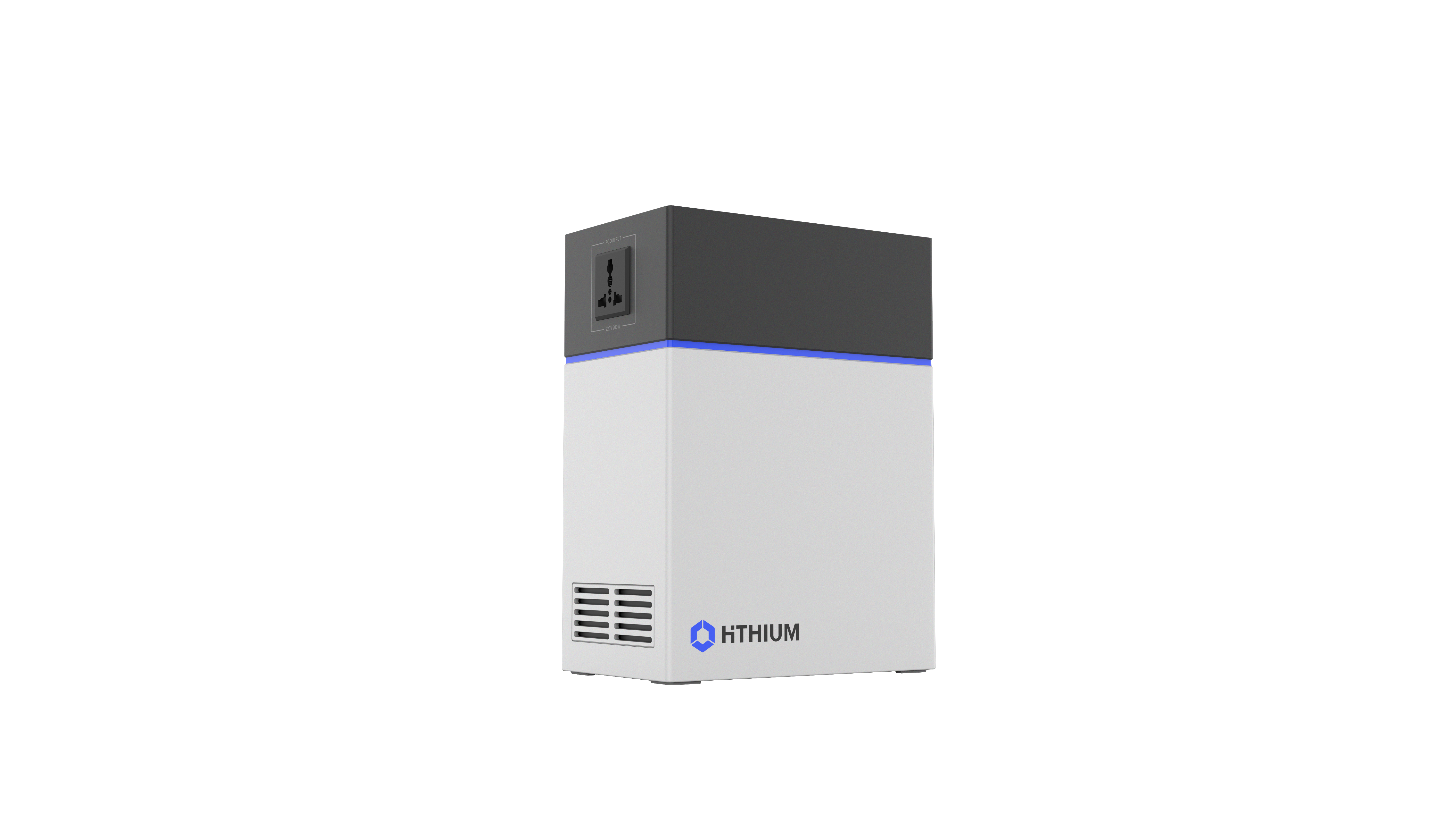
This is my polite warning, based on many roofs and many panels. Residential energy storage systems are not just boxes; they are living systems with firmware, power converters, and habits. I prefer simple plans that match the home’s rhythm, not theoretical curves. Trust me, this bit is not rocket science. Yet mistakes creep in—small sizing errors, wrong breaker placement, dated assumptions about hot-water loads. We go step by step, ne. Let me share how these pitfalls appear, and how I compare fixes that actually hold up over the seasons.
Traditional Fixes That Still Miss the Mark
Are we sizing for the wrong day?
Many legacy plans start with “cover one outage night.” That sounds safe but runs thin in real life. A family in Setagaya, Saturday morning, 10 February 2024: dishwasher (1.2 kW), induction cooker (1.5 kW), and a heat pump dryer (700 W). The old playbook sized a 7 kWh pack for a 2 kW steady load—on paper, fine. In practice, bursts hit 3.5 kW, and the inverter clipped. The result was a mid-cycle shutdown—I winced, to be honest. A better path compares 15-minute demand peaks across a normal week, then maps inverter surge capability and BMS limits. We care about state of charge (SoC) windows and depth of discharge (DoD) under winter air temperatures. Without that, owners chase their tails.
Another flaw: “panel-first” thinking. I have seen 6.6 kW PV arrays paired with tiny batteries “to start cheap.” That sounds clever—until the first summer shows noon export and dinner import. The power converter and the battery management system (BMS) need a plan for time-of-use tariffs and islanding protection, not just kilowatt totals. In July 2022, during a heat wave in Nagoya, one client exported 420 kWh while importing 230 kWh in the same month. The bill fell only 9%. When we added a 13.5 kWh pack, tuned charge targets to 85% by 16:00, and set discharge to 30% overnight, the bill dropped 31% the next month—same roof, new logic. Small change, big calm— and that still surprises me.
Forward-Looking Choices: Comparative Notes That Age Well
What’s Next
Now we look ahead with a steady hand. New systems place the “brain” closer to the meter and the loads. Instead of a single inverter guessing, edge computing nodes read the hot-water circuit, EV charger, and HVAC in real time. Then they shift charge windows to avoid tariff spikes. When I compare setups side by side, a modern residential battery energy storage system with adaptive control beats a static schedule by about 15–22% in yearly bill reduction, based on my 2023 sample of 61 homes in Kanto. The principle is gentle: watch, learn, nudge. A 5 kW hybrid inverter with 10–15 kWh LFP performs best when its firmware tracks seasonal baselines and protects SoC against cold snaps. If the enclosure is NEMA 3R and the cable runs are short, round-trip loss stays near 10–12%, which is acceptable for most homes.
A quick case, then a future note. In Kamakura, April 2023, we replaced an aging AGM bank with LFP modules, added a small load panel for essential circuits, and updated the EMS rules. Same PV. After 90 days, outage coverage rose from 2.3 to 4.1 hours at a 2.8 kW evening draw. Annual savings projected at 124,000 JPY with time-of-use shifting. Next step, I expect more homes to use heat-pump water heaters as thermal batteries. The battery takes the fast spikes; the tank takes the slow load. Together, they cut peaks without owner stress. Semi-formal note: when power converters and control rules are friendly, people stop thinking about them. That is the goal I respect the most.
Practical Checklist Before You Commit
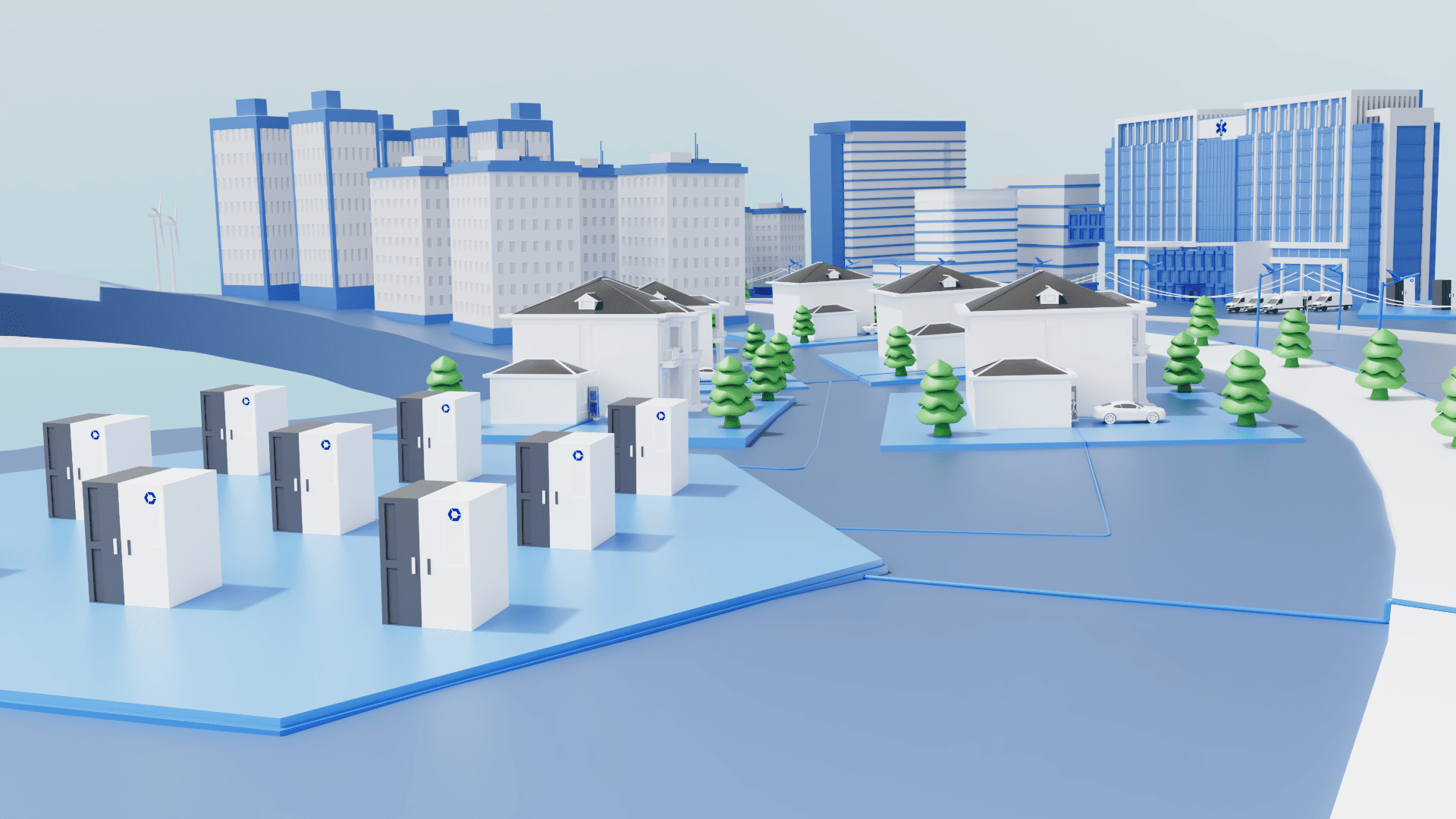
Let me close with three metrics I use on every job, whether I am advising or retailing the kit. First, peak demand match: check the highest 15-minute load in the last 90 days and confirm inverter continuous plus surge capacity at 120% of that value. Second, seasonal SoC plan: verify that the EMS holds 15–25% reserve in winter mornings and resets to tariff windows without owner input; schedule updates at least quarterly. Third, durability fit: LFP cells with clear cycle ratings at 80% DoD, an enclosure rating fit for your site (indoor or NEMA 3R), and a service path that promises parts within 5 business days—because downtime steals trust and money. I vividly recall a Saturday in Chofu, 14 August 2020, when a fan failure took a system down for 36 hours during a heat wave; with a spare on the shelf, that would have been 20 minutes. I firmly believe that good planning feels quiet. It should let a home breathe, not argue with it. If you need a neutral starting point for components and solutions, you may review HiTHIUM with the same careful lens I use for every household.