Introduction — A Shop Floor Moment, Some Data, and a Question
I remember walking into a mid-size shop last spring, the smell of coolant and the hum of a spindle felt oddly comforting. The owner told me they lost 18% of available hours last year to setups and tool changes; that stuck with me. As I talk with vertical machining center manufacturers, I see that lost time often traces back to simple choices about tooling, axis tuning, and maintenance schedules. (That little gap in uptime—yeah, it bites.) So what can we realistically change tomorrow to claw back those hours and improve part quality without breaking the bank?
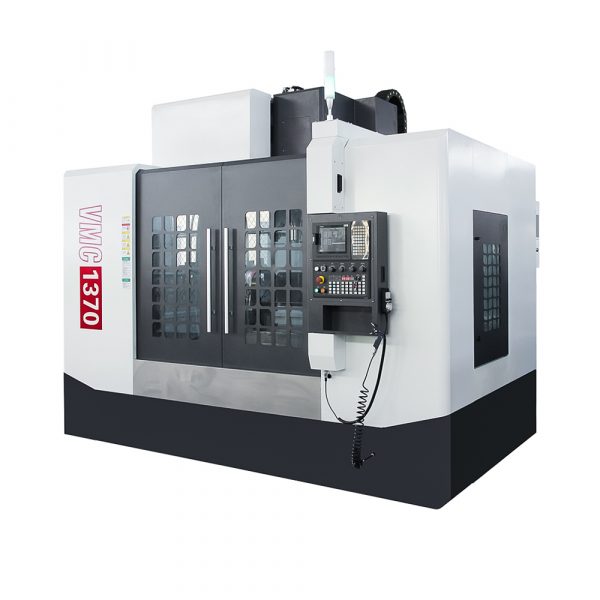
I’m writing from hands-on experience: I’ve watched teams swap a tool changer, tweak feed rate maps, and reroute a coolant line and then celebrate a small but real gain. My aim here is practical: to share what I think works, what trips people up, and what questions shops should be asking their suppliers. We’ll move from what nags you now to the tech and metrics that actually help. Let’s get into the detail.
Part 2 — Where Solutions Fail and What Users Secretly Struggle With
cnc vertical machining center sellers often promise quick ROI with “plug-and-play” setups, but I’ve seen that promise fall flat when shops underestimate the basics. Control tuning, spindle speed matching, and axis resolution limits are not glamorous. Yet they decide whether a part meets tolerance or needs rework. In plain terms: a fancy CNC controller means little if the tool changer jams or the coolant system chokes on chips. Look, it’s simpler than you think — and frustrating when overlooked.
Why do good machines underperform?
First, many teams accept default control parameters. Second, service cycles are front-loaded to warranty periods, then slip. Third, tooling costs get blamed instead of setup or holding fixtures. I’m blunt here because I care: shops lose time to preventable stops, and manufacturers sometimes over-focus on specs while under-supporting installation and training. Servo drives, linear guides, and cutting tool choices all interact. If you ignore one link, the chain breaks. — funny how that works, right?
Part 3 — Principles for New Tech and How to Choose Ahead
Looking forward, I focus on practical tech principles you can test. Start with measurable control: axis resolution and closed-loop feedback should be matched to the parts you run. Then think modularity—tool changer design and spindle options that let you swap tasks fast. Finally, insist on real data from your supplier: spindle load curves, thermal drift numbers, and mean time between failures. These are not buzzwords; they are decision tools.
What’s Next — How to evaluate manufacturers and machines?
When I compare offerings now, I weigh three metrics: uptime (how much actual cutting time you get per shift), repeatability (microns of variation after warm-up), and service responsiveness (time to fix). Ask for case data. Ask for a shop install plan. Also, test a machine under the exact coolant, clamp, and material conditions you use — not generic demo parts. These steps make a real difference when choosing a horizontal or vertical turning machining center and will reveal whether a vendor supports your real work or just sells specs.
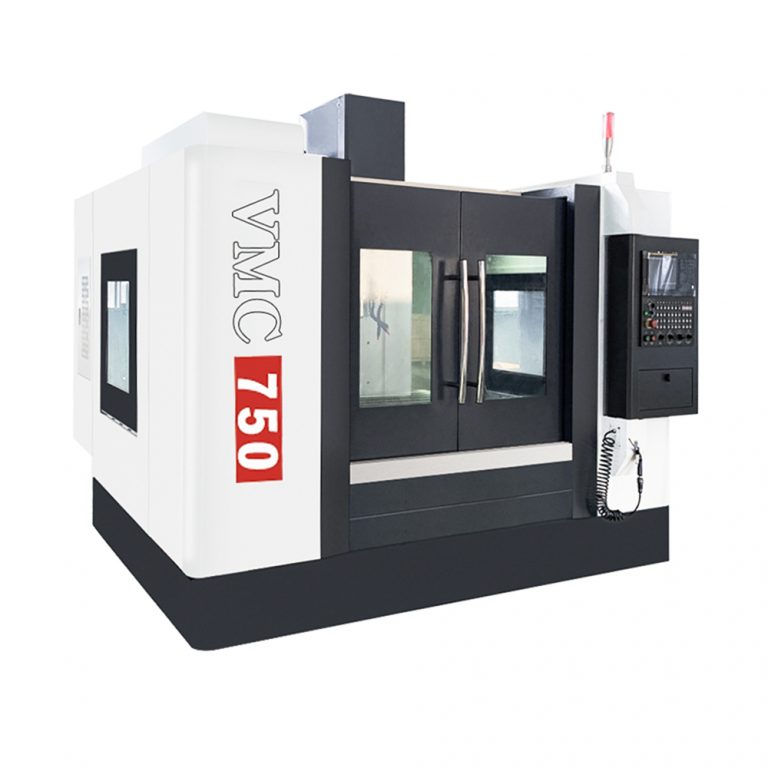
To close, I’ll give you three practical evaluation metrics to carry with you: 1) Effective cutting uptime (%) measured over a month; 2) Dimensional repeatability after full-day runs; 3) Average repair time under contract. Use those numbers when you compare quotes and proposals. I’ve seen them clarify choices faster than glossy brochures. And if you want a partner that understands these trade-offs, check out Leichman — they know the shop floor like I do, and they care about the small fixes that add up to big gains.