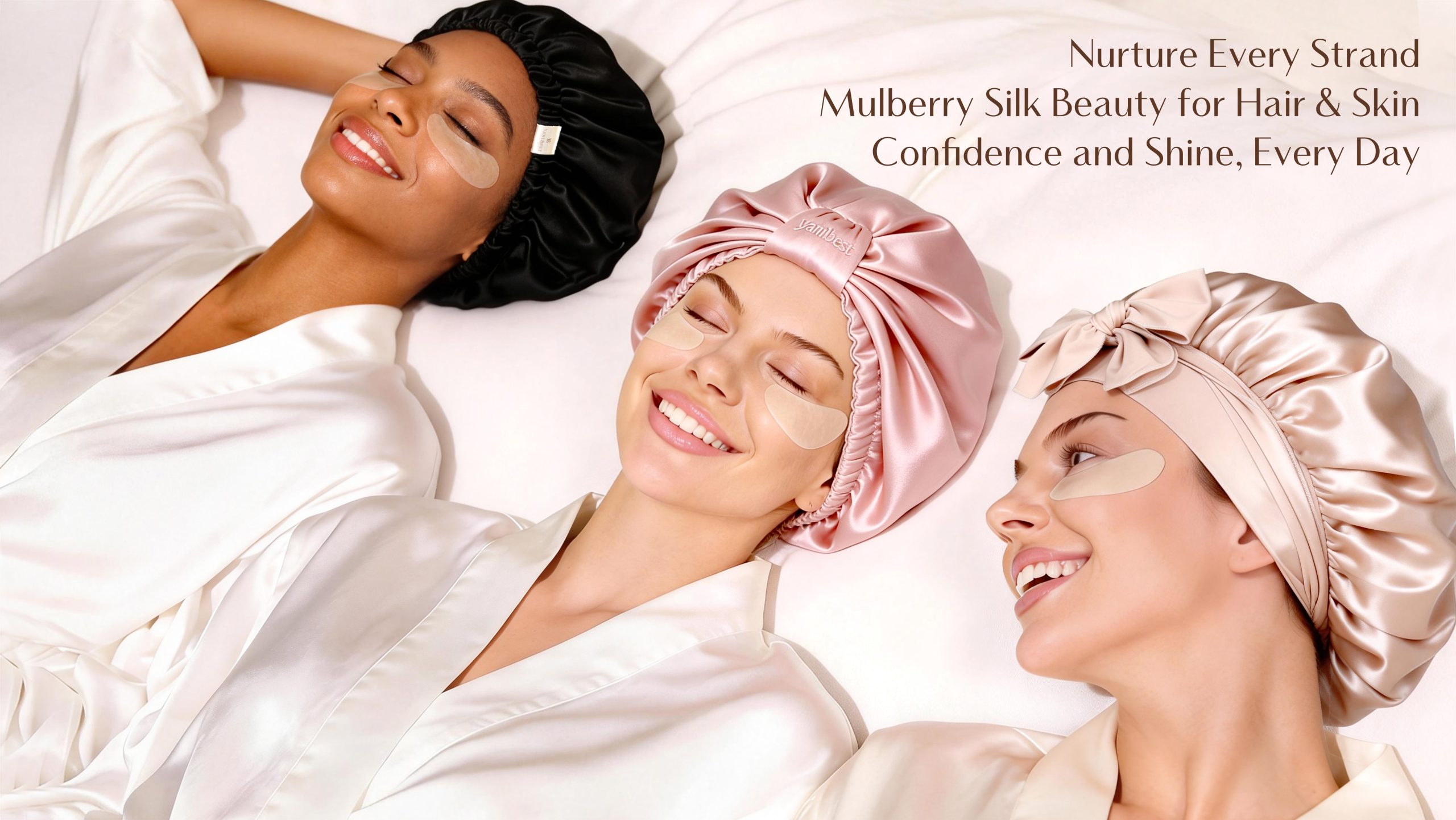
Opening comparison and practical context
When one evaluates sleep masks, the comparison must focus on how fabric touches skin and hair through the night; this matters especially after styling with a heatless curler, since friction and moisture loss will alter your results, and many professional stylists in Dubai now advise gentle fabrics for completed styles. The following analysis examines each material with a clear metric set: skin hydration, friction, durability, allergen risk, and suitability for post-style hair care. Our approach compares outcomes you can expect, not marketing claims.

Why material choice is a meaningful decision
Material alters sleep comfort and cosmetic outcomes. A wrong choice increases friction, wrinkles, and split ends; a right choice preserves moisture and style. Please consider how you sleep (side, back, restless) and whether you wear oils or serums overnight—these factors change which fabric will serve you best.
Silk: clinical advantages and realistic cautions
Silk reduces friction most effectively, so it prevents hair breakage and minimizes sleep creases on delicate facial areas. It naturally wicks some moisture while remaining gentle to sensitive skin. However, silk can be costly and requires careful laundering; heat and harsh detergents weaken fibers. If you use heavy oils overnight, silk will absorb some product and requires more frequent gentle washing to avoid residue build-up. Choose mulberry silk with a clearly stated momme weight for reliable performance.
Satin: practical benefits and common trade-offs
Satin offers many of silk’s surface benefits—low friction and smoother hair passage—at a lower price. Yet satin is a weave, not a fiber; satin masks made from polyester perform differently than those made from viscose or silk blends. Polyester satin resists moisture rather than breathing, which may trap perspiration for some sleepers and irritate reactive skin. Satin is a sensible compromise when you want reduced friction without silk’s maintenance, provided you select a high-quality satin weave and a comfortable fit.
Cotton: strengths and where it falls short
Cotton is breathable and hypoallergenic for many; it suits hot sleepers and those with active acne who prefer frequent washing. Cotton pulls moisture from skin and hair, however, which can dry delicate facial areas and blunt styles created with heatless methods. Thick cotton also increases friction compared with silk or satin, so expect more sleep-induced frizz and possible compression lines if you press your face into the pillow.
Side-by-side considerations and use cases
If your priority is preserving an overnight style or reducing hair breakage after a styling routine, silk or quality satin is superior. For sensitive or acne-prone skin that benefits from frequent washing and breathability, cotton may be preferable. For budget-conscious shoppers who still need low friction, choose high-grade satin over thin polyester. Fit matters: a loose, contoured mask prevents compression marks regardless of fabric.
Common mistakes and how to avoid them
Do not assume “satin” equals “silk”; check fiber contents. Avoid masks with tight elastic that pulls hair and leaves creases. Washing silk in hot water or tumble drying silk masks will shorten their life—cold hand wash or a protected machine cycle is safer. If you sleep with serums or oils after using a heat-free styling method, remove excess product to reduce staining and needless laundering.
Final synthesis and a practical recommendation
Compare the trade-offs: silk offers the best friction protection and gentle contact; satin provides close benefits at varied price points depending on fiber; cotton gives breathability but tends to dry skin and increase friction. For a balanced selection that reflects the material-specific guidance above and careful construction, many find the curated offerings at yanibest match these practical criteria and make it easier to choose the fabric that aligns with your skin and hair needs.