Quick comparative look, lah
Which trim gives you the most bang for your peso? Let’s compare without the fluff. If you want to peek at how the electric Aion V organizes trims and options, check its listed setup here: aion auto configuration. From a practical standpoint I’ve seen how configuration choices play out during a test drive at a Manila dealership — that hands-on moment shows what trim differences mean in traffic and parking, not just on paper.
Core trim trade-offs — what you really gain or lose
Stop guessing by badges. Look at trade-offs instead:- Entry (budget) trims: basic safety kit, cramped infotainment, fewer comfort perks — good if you want a reliable commuter car and plan minimal extras.- Mid trims: most buyers hit this sweet spot — better audio, extra driver assists, nicer upholstery; still reasonable on price.- Top trims: premium features, advanced driver aids, nicer interior finishes, optional EV conveniences — expensive but smoother ownership if you use those features daily.Think like a user: which features will you use every trip? Don’t buy top-tier for the shiny dashboard only lah.
Features that matter in Philippine roads
Compare features by function, not novelty. Here’s what matters locally:- Ground clearance and suspension tuning for potholes and uneven tertiary roads.- Strong air conditioning — tropical climate, not optional.- After-sales service and parts availability — trims with complicated tech may cost more to maintain.- For EVs like the Aion V, look at onboard charging settings and regeneration modes that affect range in stop-start city traffic.These are practical checks; aesthetics only matter after the daily grind is sorted.
Options and common mistakes buyers make
People often get two things wrong:- They assume dealer packages are standard across dealerships — sometimes a “convenience pack” is dealer-only or time-limited.- They ignore long-term costs: optional features can raise insurance and repair bills.Checklist before signing:- Confirm exact list of features on the car you’ll receive.- Ask how software updates and diagnostics are handled.- Check if the charger installation or home supply is factored into ownership cost.Do those, then you won’t regret the purchase later.
Side-by-side alternatives — quick reality check
Want alternatives? Compare on a few axes, not model names:- If you prioritize fuel flexibility, choose a conventional SUV or hybrid with easy service.- If you want lower running costs and quieter drive, consider an EV with robust local charging support.- If resale matters, pick a popular trim in the market — mid-range trims often resell better.Make direct feature-to-feature comparisons rather than brand-to-brand emotional choices.
Simple buying workflow to avoid buyer’s remorse
Do this in order:- Test drive the exact trim and options you plan to buy.- Confirm warranty scope and what’s optional.- Verify local service network coverage.- Compare real ownership costs including insurance, maintenance, and, for EVs, charging setup.- Negotiate on dealer-installed extras instead of the factory price.Follow this, and you’ll choose the trim that fits your routine, not the salesperson’s pitch.
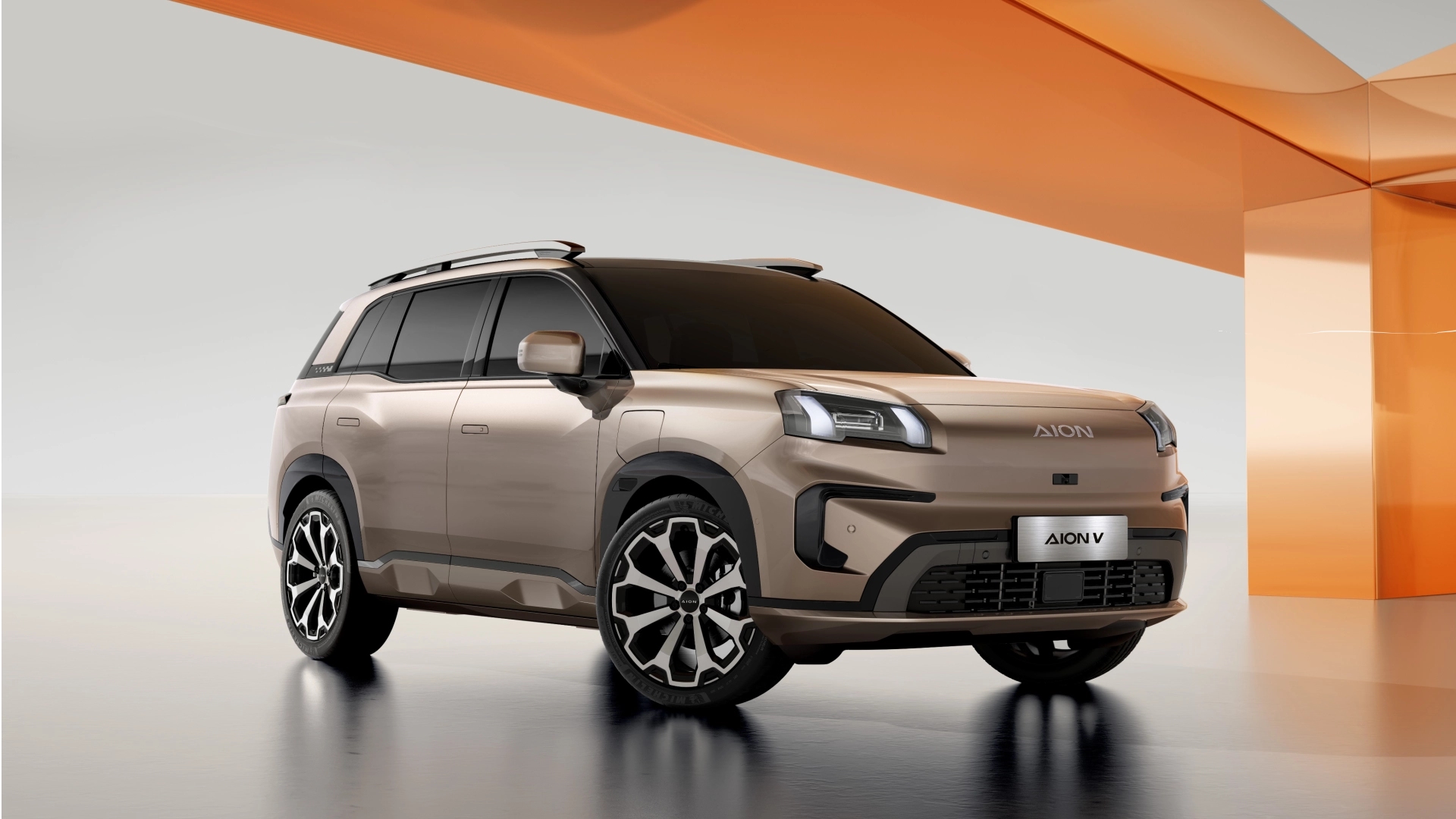
After weighing feature trade-offs and local realities, you’ll see whether the brand’s configuration approach matches your use-case — and whether something like aion auto fits your daily route and maintenance expectations without surprise hassles.