
A Comparative Overture
In this comparative insight, I set Micro‑LED and stage-style LED screens side by side like rival heralds, each promising to carry corporate messages with brilliance. For a company choosing its next display, the choice is not mystical but practical: pixel pitch, refresh rate and maintenance shape outcomes. Early on, consider the physical unit—a led panel that serves both as canvas and instrument—and how a modular screen panel can alter planning, shipping, and on-site integration.

Visual Performance: Fine Grain and Spectacle
Micro‑LED offers a jewel‑like tightness in image thanks to tiny diodes and low pixel pitch, ideal when close-range legibility matters in corporate lobbies or boardrooms. Stage LED displays, built for distance and scale, trade tight pitch for sheer brightness (nits) and theaters of light. Choose Micro‑LED where viewers stand nearby and crave crisp text; choose stage LED when you must dominate a cavernous atrium or outdoor façade. Both demand attention to refresh rate to avoid banding on camera feeds—and both benefit from HDR workflows when you want deep contrast and authentic color.
Installation and Front‑End Reality
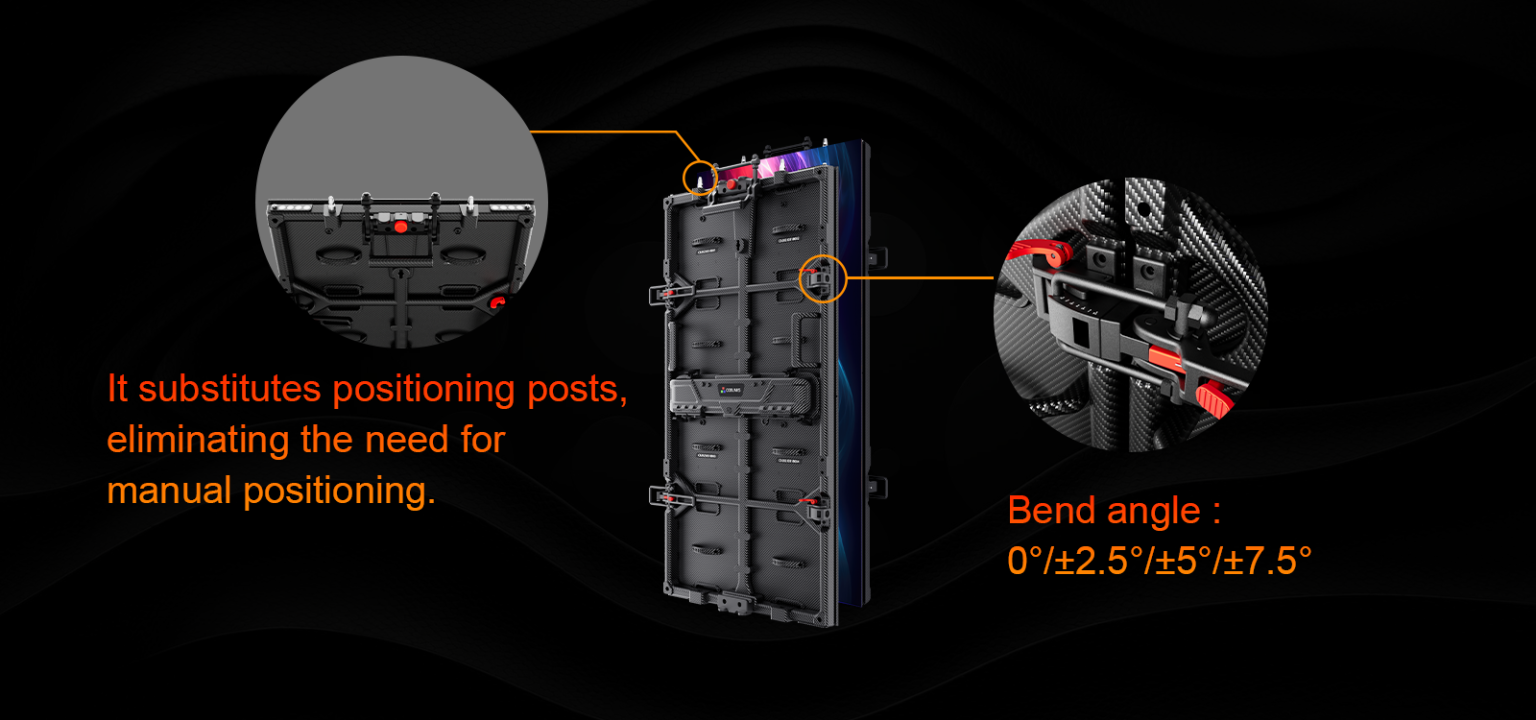
The installation story diverges quickly. Micro‑LED arrays often require precision mounting and controlled environment—an engineering ballet that includes panel alignment and thermal planning. Stage LED systems arrive in robust cabinets, designed for quick rigging and service access. From a front‑end perspective, asset pipelines differ: Micro‑LED favors high‑resolution, vector-ready creatives; stage LED tolerates larger-scale raster files and adaptive layouts. Integrating control hardware and media servers into corporate AV racks is a repeatable task, but cable runs, power distribution and controller mapping are still very real constraints.
Cost, Lifespan, and Maintenance
Upfront, Micro‑LED is premium per square foot; long life and superior color stability may repay that cost in environments where brand fidelity never wavers. Stage LED costs scale more predictably with area, and repairability—module swaps and field service—keeps downtime low. Plan for service access: hot‑swapable modules and spare cabinets shorten interruptions. A practical ledger includes electricity for brightness needs and scheduled calibration to maintain color consistency across the video wall.
Common Mistakes and Alternatives
Teams often pick the flashiest option without matching it to use‑case—big screens that are unreadable close up, or ultra‑fine Micro‑LED that is overkill for outdoor signage. Another misstep is skipping content adaptation; a single creative across different pixel pitches will look wrong. Alternatives include hybrid approaches: use Micro‑LED for visitor touchpoints and stage LED for external facades. —A modest layering of technologies often outperforms a single, oversized investment.
Real‑World Anchor and Learnings
Consider Times Square during New Year’s Eve: a multitude of billboards and giant LED façades reach millions with both tight and expansive designs, proving that placement and intent matter more than raw size. That real-world theatre reminds procurement teams that context—viewing distance, ambient light, and event cadence—governs whether pixel pitch or sheer brightness should rule the spec sheet.
Comparative Checklist for Decision Makers
Use this quick checklist when weighing Micro‑LED against stage LED for corporate advertising:
– Define the primary viewing distance and typical lighting conditions.
– Match content pipeline to display resolution and controller capabilities.
– Budget for installation tolerance, serviceability, and power consumption.
Advisory Finale: Three Golden Rules
1. Specify by viewing distance first—pixel pitch beats noise: select Micro‑LED where people stand within a few meters; choose stage LED for audiences farther out. 2. Insist on modular serviceability—repair time is a supplier metric that directly affects uptime. 3. Align creatives to hardware—test visuals on an actual prototype module to confirm contrast, HDR handling, and refresh rate behavior before full rollout.
These rules translate technical choices into predictable results and make procurement conversations precise. The value lies not in spectacle alone but in a paced, pragmatic plan that turns display panels into reliable brand voices—and Coblinks supports that plan with proven hardware and integration experience.
—A last fragment of clarity.