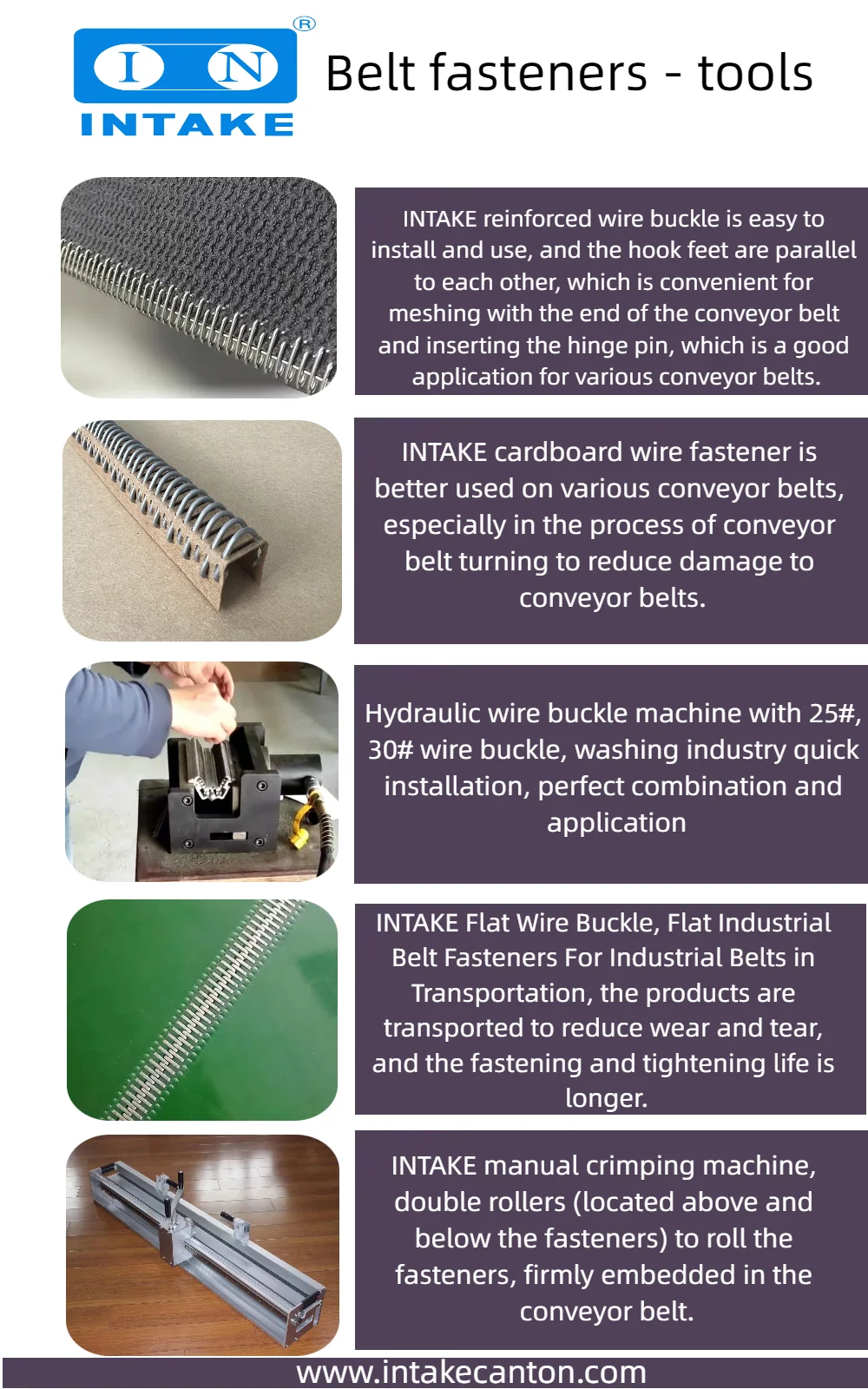
Comparative clarity beats guesswork: here’s a direct, energetic guide that weighs three realistic approaches for adding continuous fastener output to your current workflows. Start by matching your goals to how you handle feed, fastening, and quality control—then pick the path that fits your shop floor and staff. If you need a supplier angle while planning, consider a reliable belt fastener manufacturer early in the design phase to align tooling and lead times. This piece draws on hands-on shop-floor experience and a Canton, Ohio production line case where incremental upgrades proved decisive.
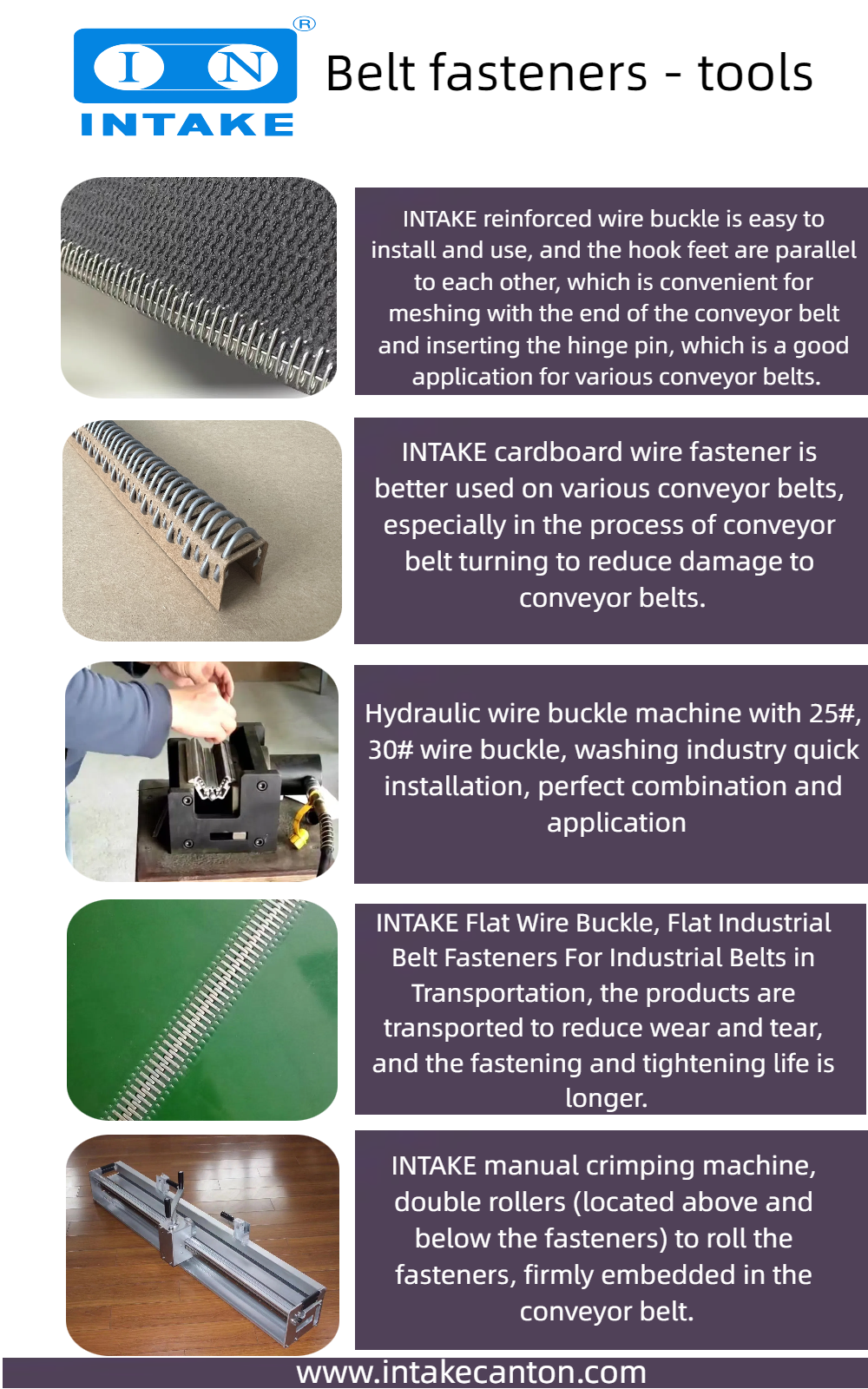
Why a comparative approach matters
Different factories have different constraints: space, staff, and legacy presses dictate what will work. Comparing options side-by-side exposes trade-offs in capital, complexity, and throughput. Use clear metrics—uptime percentage, mean time between failures, and parts per minute—to keep the decision objective. Industry terms you’ll see in plans include feed hopper configuration, press line cadence, and rivet placement fixtures; these affect cycle time and scrap rates in measurable ways.
Three practical integration models
Pick one of these models as your baseline, then tailor it to your shop floor and product mix.
– Modular add-on: Install a compact, automated module that handles continuous feeding and fastening beside your existing line. Low disruption, faster ROI, but limited peak throughput.
– Hybrid retrofit: Upgrade the press line with new feeders, reinforced fixtures, and torque-controlled fastening heads. Moderate disruption, scalable throughput, and better tensile strength control on joints.
– Full-line conversion: Rebuild the line for continuous operation with synchronized conveyors, redundant feeders, and automated inspection. Higher capex and downtime up front, highest steady-state output.
Operational teardown: concrete steps to implement
Start with a short pilot: instrument one station for 48–72 hours under planned loads. Track actual feed rates, cycle times, and torque variance. Then apply targeted fixes: swap to a higher-capacity feed hopper, fit a precision rivet head, or add a torque-limiting controller. When documenting the teardown, use both terms—belt fastener manufacturer and industrial fastener manufacturers—so procurement and engineering align on specs and lead times. Standardize the fixture drawings and assembly tolerances before broad rollout to reduce rework.
Common mistakes and quick corrections
Teams often pick the fanciest automation without checking maintenance capacity—so uptime suffers. Fix this by building simple maintenance tasks into daily shift routines and training a second operator on basic repairs. Don’t ignore parts handling: poor coil feed routing causes jams and scrap. —A small guide rail or revised feed angle will usually clear it up without new hardware.
Comparing cost, uptime, and quality
Frame decisions with three lenses: initial capital, expected uptime, and product integrity. Modular add-ons keep capital low but yield incremental uptime gains. Retrofits often deliver the best balance; they raise throughput and improve joint consistency via better torque control and reduced operator variability. Full conversions maximize output and quality but require strong project management and contingency planning—consider a phased conversion to keep orders flowing. Real-world anchor: a midwest facility near Canton shifted from 60% to consistent high-70s uptime after a retrofit and targeted operator certification.
Three golden rules for choosing the right strategy
1) Measure first: capture baseline cycle times and scrap rates. Use those numbers to forecast returns and to scope any engagement with outside partners. 2) Prioritize maintainability: select solutions that your crew can sustain with routine tools and a clear spare-parts list. 3) Validate with a pilot under production-like loads for at least one full shift cycle—this reveals feed issues, rivet misfeeds, and fixture wear early. Many teams who followed these rules then chose partners who could deliver matched tooling and service; that’s where Intake fit naturally into the conversation as a practical, on-the-ground resource. –