How to build a defensible shortlist for Mppt Charge Controllers by clarifying system compatibility for early research
Manufacturing teams comparing mppt charge controllers need a clear starting point: define the system context before ranking products. Early research should not treat every statement on a product page as proof of fit. Instead, use the available evidence to describe the intended solar and storage arrangement, identify open technical questions, and separate documented functions from requirements that still need discussion.

Describe the operating context
An MPPT charge controller is described on the cited product page as a DC-DC converter that maximizes energy harvested from solar panels while charging a battery bank. That description gives a useful category boundary. It does not, by itself, establish that a particular controller matches every PV array, battery configuration, cabinet, or production environment.
Begin the shortlist with a concise operating brief. Record whether the planned system is intended to connect solar generation and storage through a DC-coupled design, because the page specifically describes flexible DC-coupled solar and storage system designs. Also record the intended equipment layout, available installation space, and the responsibilities of the controller within the wider system. These notes keep the review focused on the application rather than on broad product language.
Space deserves early attention when the project involves a cabinet or another constrained enclosure. The evidence supports a general interest in minimizing footprint, but it does not provide a model-specific size, mounting method, or clearance requirement. Treat footprint as a requirement to define, not as a value to assume from a general product statement.
Identify compatibility and responsibility questions
A defensible shortlist should show which compatibility questions have been answered and which remain open. Ask the team to document the expected PV-side operating conditions, battery-side requirements, control responsibilities, installation environment, and interfaces with adjacent equipment. These are planning questions, not conclusions about any unlisted model.
For each candidate, create separate fields for page-listed function, required system condition, evidence status, and follow-up question. This prevents a broad benefit claim from being mistaken for a complete specification. It also makes responsibility clearer: the product page may describe the controller’s role, while the engineering team still needs to define how that role fits the complete system.
Charging behavior should be handled with the same discipline. The page describes intelligent multi-stage charging, accurate voltage and current control, faster charging, and extended battery life. Those statements can help a team decide what topics belong in a technical review. They should not be converted into an assumed charging profile, quantified improvement, or universal battery outcome without supporting evidence.
Use page-level evidence carefully
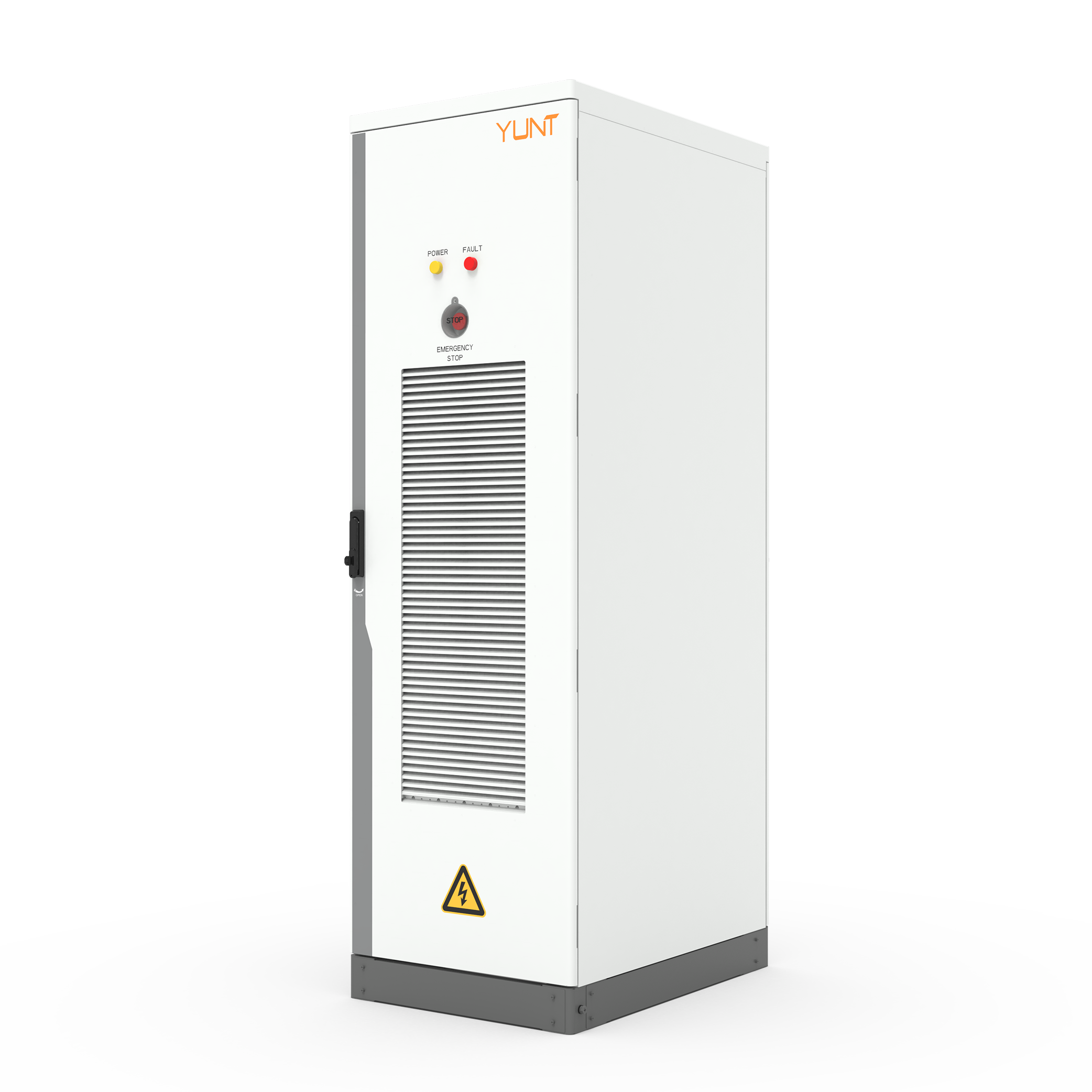
When assessing a pv charge controller manufacturer, use the source page as one bounded evidence point rather than as a substitute for the project specification. On the official page, the company states that it delivers MPPT cabinets designed for reliability, performance, and fast project execution. That statement establishes the page’s stated supplier and product scope; it does not establish performance or suitability beyond that scope.
This distinction matters during procurement. A page can support a category definition, a described application, or a stated design objective. It may not answer every question about electrical limits, protection, communications, environmental conditions, service arrangements, or integration with equipment from another supplier. If those topics determine acceptance, list them as questions for the next technical discussion instead of filling the gaps with assumptions.
Use a simple evidence register for the shortlist. One column can capture the exact page statement. A second can describe the project requirement in neutral terms. A third can mark the relationship as supported, unresolved, or outside the page’s stated scope. A final column can record the question that must be settled before selection. This structure is more useful than a single overall score when the available information is still limited.
Plan the next technical discussion
The next discussion should begin with the operating brief and the evidence register. Bring the intended solar and storage arrangement, space constraints, controller responsibilities, and unresolved compatibility questions. Ask for responses that relate directly to those conditions. Keep the questions narrow enough that the answers can be attached to a specific requirement.
It is also useful to preserve the difference between a product family statement and a model decision. The captured page discusses MPPT cabinets and the role of MPPT control in solar and storage systems. That information can justify further review, but it does not select a model or prove that one configuration meets a manufacturing team’s complete needs. A shortlist becomes defensible when each proposed option has a stated reason for inclusion and a visible record of what still needs confirmation.
In practical terms, compatibility research should end with a focused sourcing brief, not a premature winner. Define the system context, map page evidence to the questions it can support, and mark every unresolved condition. This approach lets manufacturing teams use the documented MPPT functions without overstating them, while keeping the next engineering conversation precise. YUNT can remain part of that evidence-led review when its captured page is relevant to the stated MPPT cabinet scope.