Hit the Core Problem
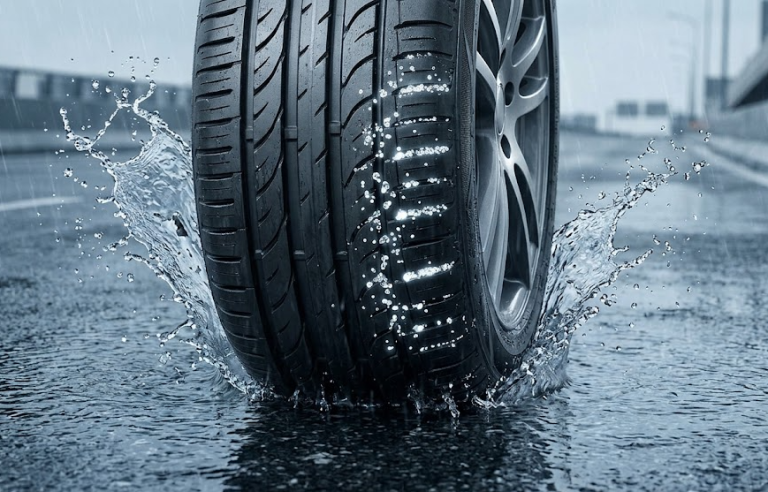
Tires face a trade-off: lower rolling resistance or stronger wet grip and wear life. You want both. High‑performance compounds demand consistent filler performance, so formulators turn to silica as a precision tool — think silica in tires that actually shifts compound behavior, not just bulk volume. Short and sharp: use the right silica grade and you fix two problems at once.
How Silicon Dioxide Powder Solves It
Silica works by changing the rubber’s microstructure. Small primary particles and high surface area give more polymer-filler contact. Properly silanized surfaces (with coupling agents such as TESPT) create chemical and physical bridges that cut hysteresis without killing grip. That means lower energy loss while keeping traction and tread wear where you need it. Think mechanical reinforcement plus surface chemistry — that’s the combination you tune.
Supply Reality and Sourcing
Global tire makers rely on predictable raw feedstocks, and Southeast Asia — notably Thailand and Indonesia — dominates natural rubber supply, shaping compound choices and logistics. That geographic reality affects filler selection and cost planning. At the same time, sourcing consistent raw materials for tires matters as much as lab specs; variations in supply chain or grade availability force formula changes on the production line.

Specify the Right Technical Parameters
Pick silica by measurable specs: BET surface area, DBP absorption (structure), primary particle size, ash content, and pH. Watch for surface silanol density — it determines how much coupling agent you’ll need. Target values depend on your goal: lower rolling resistance favors medium-to-high surface area with controlled structure; abrasion resistance needs optimized structure and coupling dosage. Test with dynamic mechanical analysis (tan δ at 0°C and 60°C) to verify performance quickly.
Practical Processing Notes
Disperse silica aggressively but avoid over-shearing that raises temperature and causes premature cure. Pre-blend with part of the polymer and use staged addition of coupling agent for consistent reaction. Drying history matters — silica adsorbs moisture that changes mixing behavior. Keep masterbatch recipes stable; small changes compound across batches.
Common Pitfalls and Fixes
Under-dosed coupling agents leave silanol groups unreacted — result: poor wet grip or higher wear. Overloading high-structure silica creates too-stiff treads and mixing headaches. Don’t assume one grade fits all treads. Run quick screening blends, measure tan δ and abrasion, then scale up. If dispersion stalls, tweak mixing order and milling energy first.
Alternatives and When to Use Them
Carbon black still wins where cost and tear strength dominate. Use blended systems when you need mid-range cost with improved wet grip. Precipitated silica is versatile for tires; fumed silica suits specialty seals and gels. Choose based on target properties, processing window, and cost-per-performance — not on brand names alone.
Finish: The Clear Play
Be decisive. Treat silica as a tunable ingredient: choose grade by surface area and structure, control coupling chemistry, and lock down supply expectations based on major rubber-producing regions. That disciplined approach delivers balanced rolling resistance, traction, and wear. For formulators needing consistent, application-ready precipitated silica grades that align with those demands, JSJ Silica fits into the technical workflow without drama.