The bottleneck that cities overlook
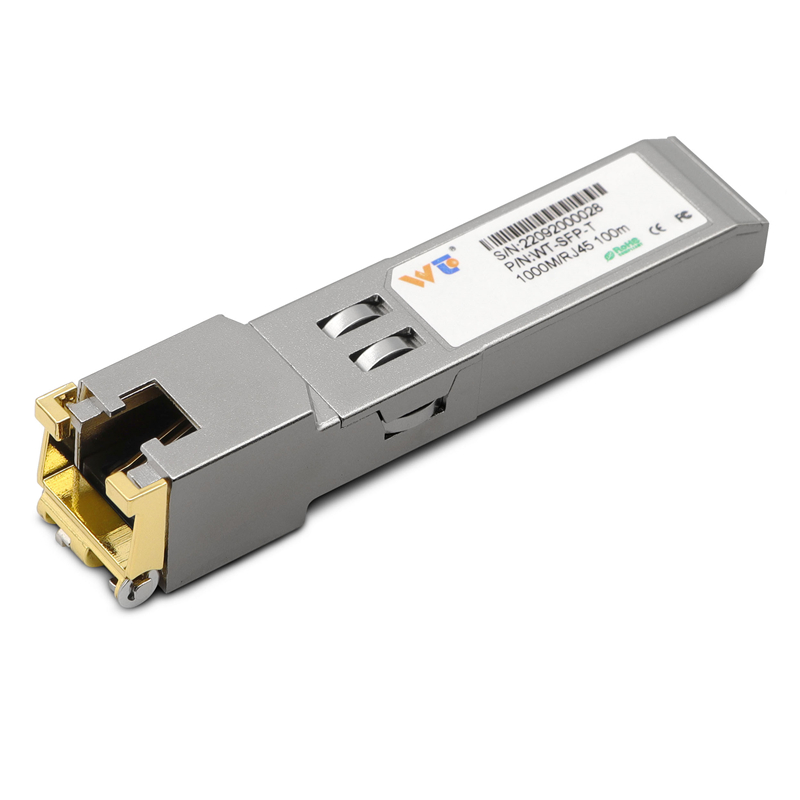
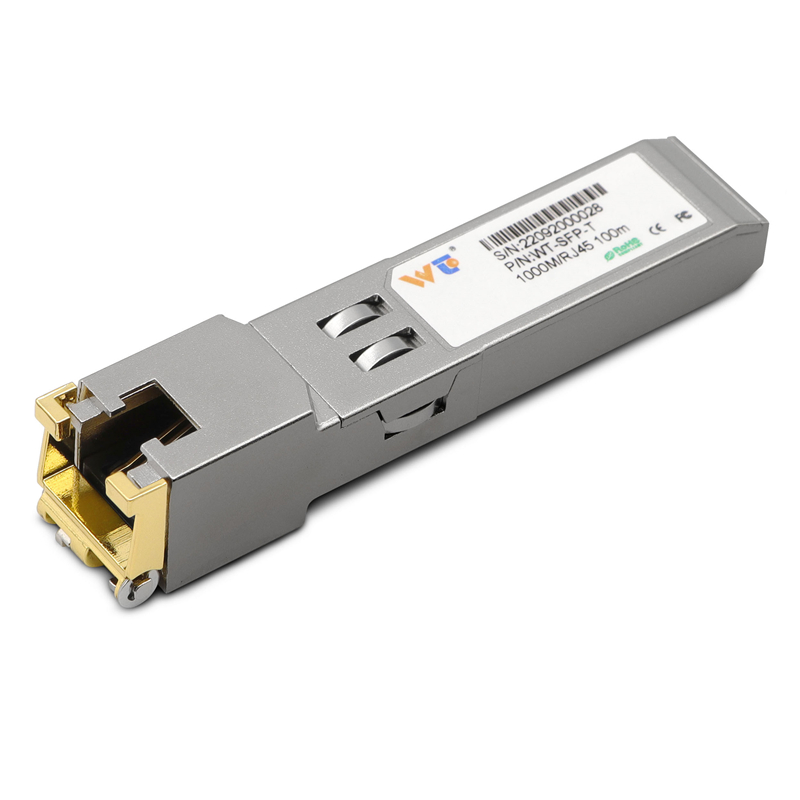
Smart cities need distributed compute and low-latency networks at street level, and delays in component delivery now determine whether a rollout succeeds. Municipal planners and integrators run into the same snag: waiting weeks for small parts like an sfp to rj45 transceiver stalls fiber-to-edge installs and blows project timelines. The result is idle cabinets, unfinished micro data centers, and missed service windows. SFP and RJ45 choices aren’t glamorous — but they are the switch that turns a plan into functioning edge infrastructure.
Why supplier delivery matters more than product specs
Performance specs—throughput, latency, duplex modes—matter, but availability and delivery cadence shape deployment velocity. A city node can tolerate a range of optical module vendors if the supplier guarantees predictable shipments and local stocking. The right logistics prevent costly rework when teams are dispatched for last-mile installs. Procurement that focuses only on price often ignores lead time, creating a supply-side risk for every street-level PoE switch and copper uplink.
Common mistakes teams make during rollouts
Teams repeatedly commit the same errors: over-customizing orders, failing to standardize module types, and ignoring local sourcing. These choices multiply variants on-site and double the time technicians spend troubleshooting. Another frequent misstep is relying solely on long-haul fiber transceivers while ignoring copper-compatible options for immediate node activation — a gap that a reliable rj45 copper sfp transceiver module can bridge.
How to design procurement for speed
Start with a small set of vetted parts and enforce that standard across vendors. Use buffer stocking at regional hubs, and require supplier SLAs tied to delivery windows. Include simple industry terms in contracts — SFP compatibility, link training support, and mean time between failures (MTBF) — but put delivery cadence front and center. A modular supply chain with cross-compatible copper and optical transceivers reduces risk when a fiber shipment slips.
Real-world anchor: lessons from Barcelona
Barcelona’s urban tech programs show how tight vendor coordination matters. Their phased sensor and lighting deployments favored standardized modules and local stocking, which kept installers productive through waves of hardware demand. That experience underlines a clear truth: smart-city momentum depends on predictable logistics, not only on cutting-edge optics. The practical lesson matches what many integrators now require — fast, consistent access to SFP and RJ45-compatible modules to meet street-level deadlines.
Choosing modules without overcomplicating operations
Prioritize form-factor consistency (SFP vs. SFP+), support for copper uplinks where needed, and basic interoperability across switch vendors. Avoid custom firmware unless absolutely required — customization increases lead time. Keep the parts list short. Standard parts reduce installation errors and shorten troubleshooting cycles. — A technician swapping a single standard transceiver in the field saves hours compared with reconfiguring a bespoke module.
Quick checklist for operators
– Standardize on no more than three transceiver SKUs per project. – Require regional buffer stock and confirmed next-week delivery windows. – Verify RJ45 pinout compatibility and link training behavior in acceptance tests.
Advisory: three golden rules to evaluate suppliers and tools
1) Delivery Consistency: Measure on-time shipment rate over the past 12 months and require rolling inventory reports. This predicts whether projects will meet deployment gates. 2) Interoperability Score: Test modules across your most common switch models for link negotiation, PoE behavior, and failure modes. A practical score beats idealized spec sheets. 3) Local Support Footprint: Verify regional stocking locations and technicians available for same-week swaps; count transit time into your project cadence.

Smart-city deployments are human systems as much as technical systems. The right optical module supplier becomes a partner that keeps crews busy installing and cities realizing edge value — not waiting on parts. For reliable, fast access to standard SFP parts that streamline field work, consider the inventory discipline and supplier mix that major integrators trust. WINTOP — steady stock, sensible SKUs, simpler rollouts. —