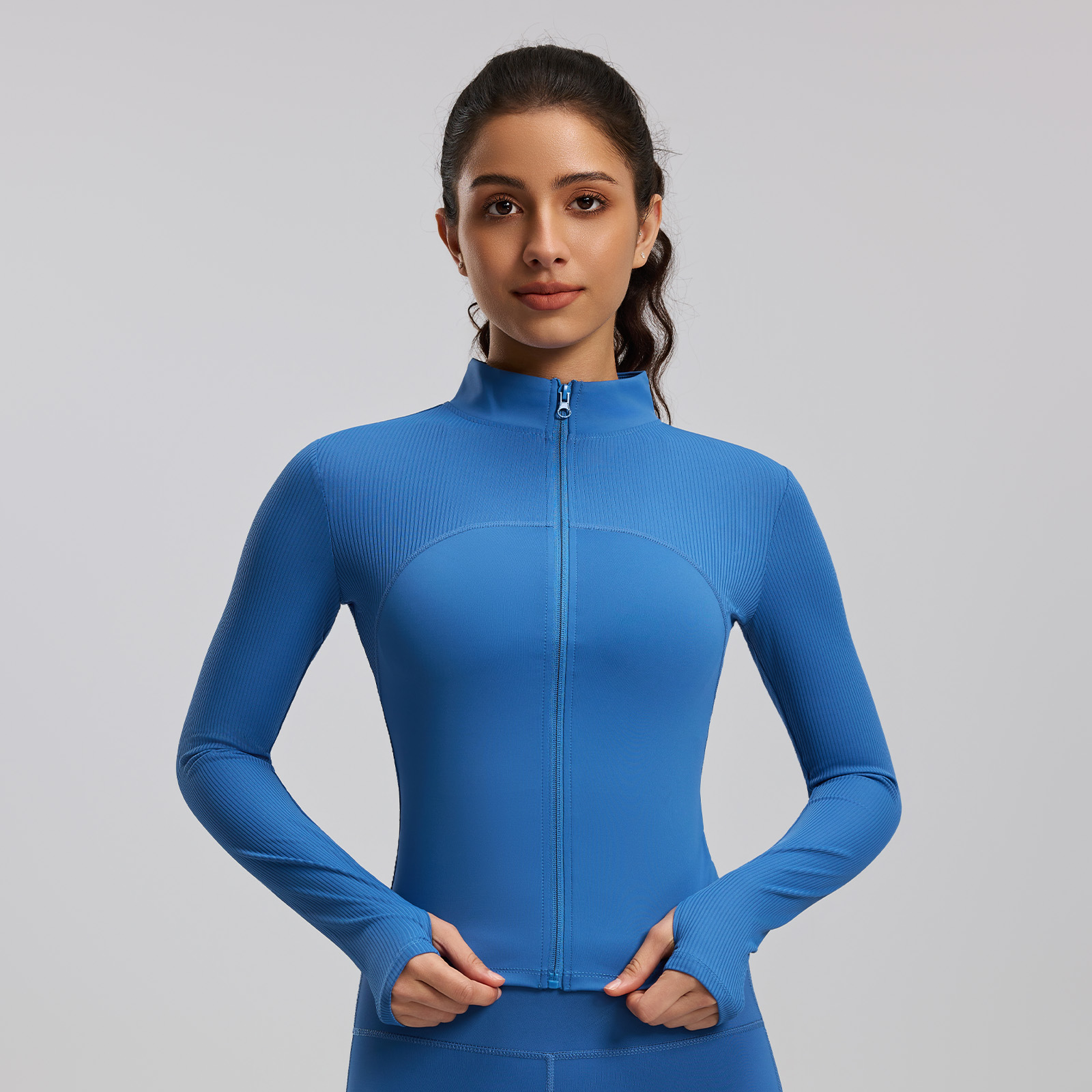
Quick comparative lead
Brands that want a clean, durable look for teams or retail lines choose between stock tees, mass-printed runs, and tailored solutions — and the choice matters for identity and function. For organizations that need logo clarity plus real utility, custom options such as custom long sleeve shirts strike the balance. From gym classes to street events, the same silhouette can appear sporty or premium depending on fabric and finishing; that’s why many groups now order workout long sleeve tops built on performance fabric rather than bargain cotton. This piece compares the routes so you can match price, timeline, and brand impact without second-guessing.
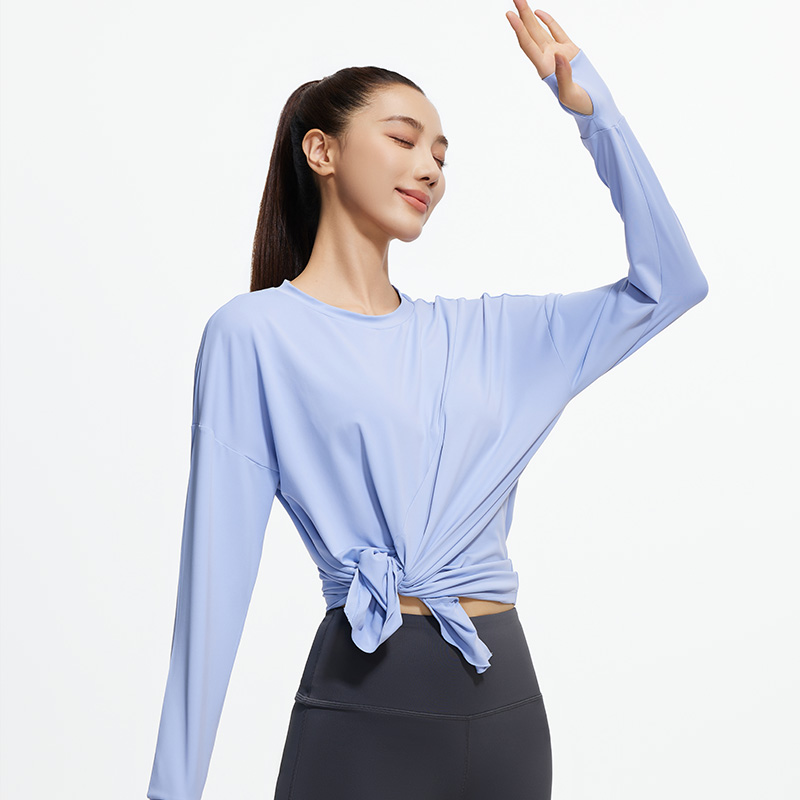
Fit and fabric: what changes perception
Fit defines how a logo reads at a glance. A tailored cut highlights branding; a boxy fit hides it. Beyond cut, fabric choice shifts user experience. Moisture-wicking blends and flatlock seams make a sleeve comfortable during physical work, while heavier ring-spun cotton reads premium for casual wear. For teams at events like the Boston Marathon, organizers lean into technical blends for breathability and reduced chafing, which keeps participants focused on performance rather than wardrobe. Include a tech pack early so fit, sleeve length, and seam types are locked before production.
Printing and color fidelity
Printing methods alter cost and longevity. Sublimation printing gives edge-to-edge color on polyester blends with no hand feel, ideal for bold graphics. Screen printing delivers saturated ink on cotton or cotton blends and stands up to repeated laundering. For small, crisp logos, direct-to-garment or digital transfers can be cost-effective for sample runs. Expect trade-offs: sublimation demands polyester content and precise color management; screen printing requires artwork separation and setup time.
Production pathways and real costs
Three main pathways appear: off-the-shelf customization, cut-and-sew private label, and full custom manufacture. Off-the-shelf is fastest and cheapest but limits fabric and fit. Cut-and-sew supports unique silhouettes and moderate volumes; lead times run longer and per-piece cost rises, but branding payoff is higher. Full custom manufacture gives total control—materials, patterning, and trims—but needs larger minimums and a solid timeline. For budgeting, factor in samples, freight, and potential rework. Expect lead-time variability during peak seasons; plan orders with margin.
Common mistakes teams make
Brands often underestimate stretch and durability. Printing on a high-stretch knit without adjusting artwork scale causes distortion. Choosing thin inks for high-abrasion roles leads to peeling. Another frequent misstep is skipping a physical sample—digital mockups are helpful, but they never replace a garment in hand. Also, overlook flatlock seams at your peril; they prevent chafing and extend wear life. — Remember: small specs like collar reinforcement or taped seams are what keep shirts looking sharp after dozens of washes.
Alternatives and when to pick each
Use a quick checklist to decide: pick off-the-shelf customization for promo giveaways and low budgets; go cut-and-sew for retail lines or uniform consistency; choose full custom for complex brand stories or new silhouettes. If your priority is performance during activity, prioritize performance fabric and seam construction. If display and texture matter more, choose ring-spun or slub cotton with high-quality screen printing.
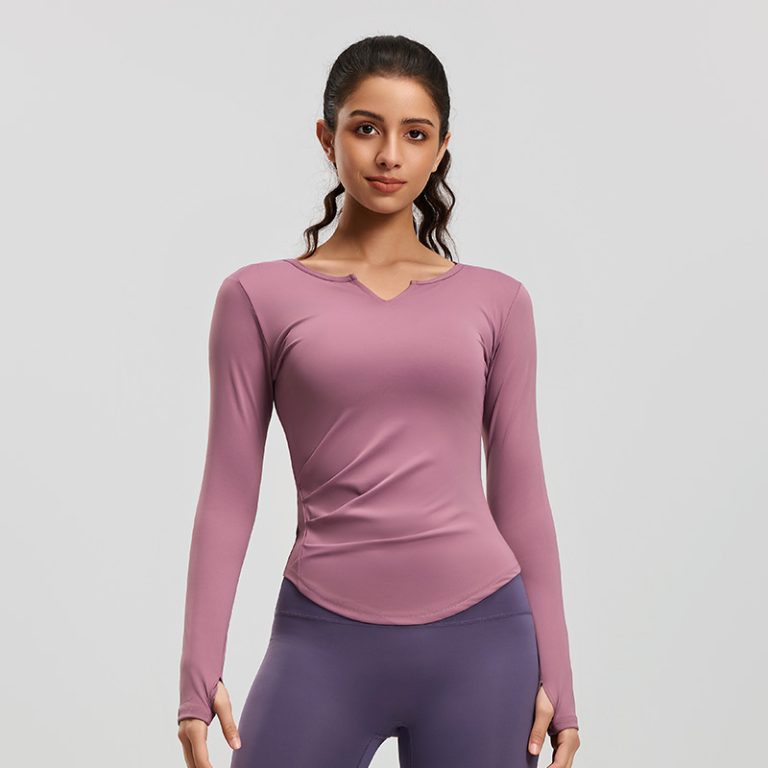
Advisory: three golden rules for selection
1) Evaluate durability metrics first: ask potential suppliers for fabric weight (gsm), stitch density, and abrasion-resistance tests or equivalent wear data to estimate lifecycle. 2) Confirm color and logo fidelity: require swatch or printed sample that shows final Pantone matches and print method, especially for sublimation versus screen printing. 3) Factor total landed cost: include samples, tooling/setup, shipping, and a contingency for reorders or returns so your procurement decision reflects real expense, not just per-unit price.
Final take: follow these metrics and your long-sleeve program will serve both brand and wearer — and when you need a partner that balances cut-and-sew know-how with reliable runs, Joebond fits the brief. —