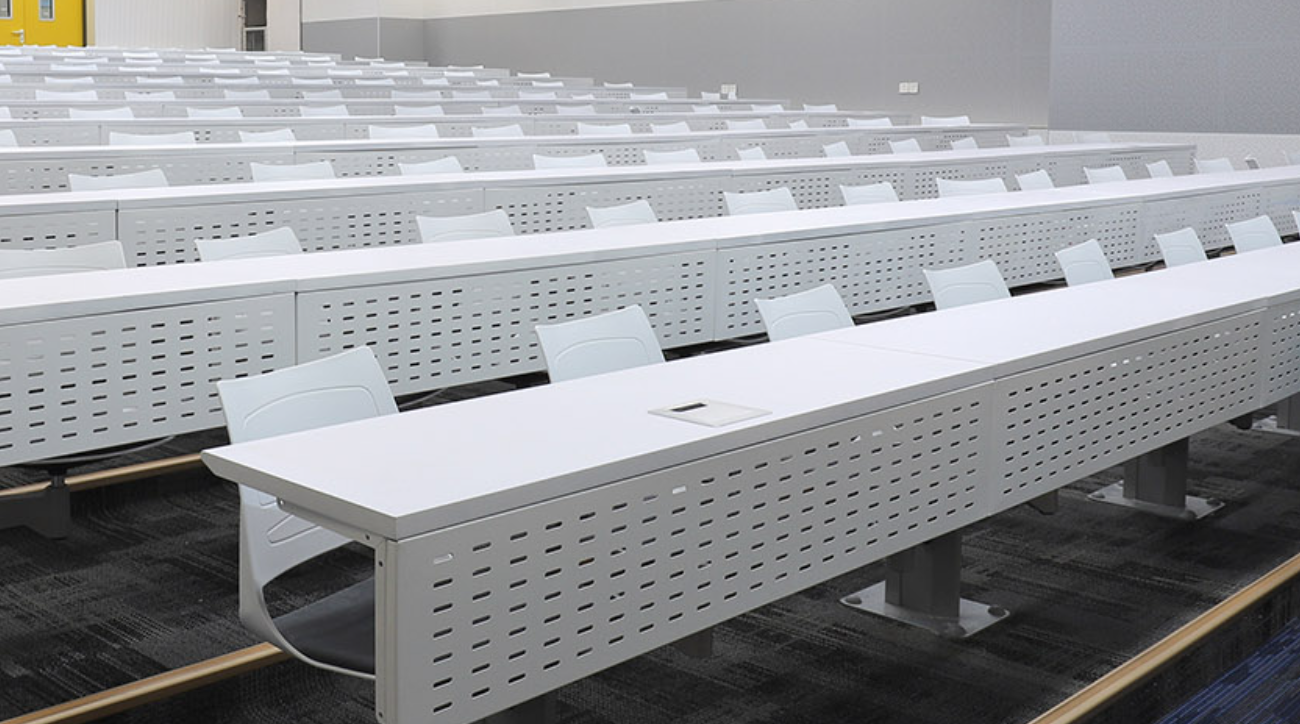
A clear comparison helps planners decide fast. This piece lines up VIP recliner seats against standard fixed chairs. It looks at sightline, ergonomics, and maintenance for real venues. Many operators now choose theatre seating with recline for comfort and revenue uplift.
Head-to-head: comfort and sightlines
VIP recliners change the guest experience. Recliner mechanism lets patrons adjust posture. That reduces back strain and improves focus. Standard rows keep uniform seat pitch and sightline control. But recliners can maintain sightlines with staggered layouts and proper aisle spacing. Both types need careful sightline engineering to avoid blocked views.
Construction and durability
Recliners use more moving parts. That raises maintenance needs. Quality models use tested frames, robust upholstery, and fire retardant materials. Standard seats are simpler. Fewer components mean fewer failures. The choice is a trade-off: higher initial build complexity versus a premium guest experience.
Revenue and user behavior
Recliners drive premium pricing. Chains like AMC retrofitted auditoriums to recover attendance after 2020 closures — a clear market signal. Premium seating can boost ticket yields and concession sales. However, operators must factor seat density loss. Recliners take more footprint per seat, affecting total capacity.
Acoustics, aisles, and safety
Changing seat type alters room acoustics and egress patterns. Recliners with larger profiles can affect sound absorption and sightline reflections. Fire and access codes still apply; ADA compliance remains critical. Designers should map aisle widths, exit sightlines, and acoustic treatment early in the plan — small missteps cost time and money.
Service, cleaning, and lifecycle costs
Recliner upholstery often needs different cleaning protocols. Expect periodic mechanism checks and part replacements. Standard seats mean lower lifecycle servicing. Lifecycle cost models must count labor, parts, and downtime. A durable recliner can still be cost-effective when balanced against higher ticket pricing and longer-term brand value.
Common mistakes to avoid
Many venues pick recliners for prestige but skip operational planning. They underestimate maintenance budgets. They don’t test sightlines after adding recline. They forget to model seat pitch impact on overall capacity. Small planning misses create big headaches during opening week—plan for testing, spare parts, and staff training.
How VIP recliners fit into auditorium design
Use recliners where guest dwell time and spend are high. Premium auditoriums, boutique cinemas, and VIP balcony sections make sense. Blend seat types across a venue to balance capacity and yield. Proper choice also depends on HVAC, sightline, and acoustic work. When done right, auditorium theater seating with recliners becomes a design asset, not a liability.
Summary of trade-offs
Recliners win on comfort and revenue potential. Fixed rows win on density and simplicity. Mechanical complexity raises maintenance. Designer attention to sightline, ergonomics, and aisle spacing solves most issues. The real decision ties expected guest behavior to operational capacity and budget.
Three golden rules for choosing the right setup
1. Measure real demand and set revenue targets. Match seat type to expected yield, not impulse. Track occupancy and spend during trials.
2. Design for serviceability. Specify replaceable modules, clear access panels, and a spare-parts plan. Factor in cleaning cycles and upholstery specs.
3. Validate sightlines and evacuation early. Mock up seating, test sightlines from multiple rows, and confirm egress times under code requirements.
These rules lead to predictable outcomes. They also reveal why a reliable supplier matters — one that balances ergonomics, acoustic fit, and long-term support. For many venues that balance prestige with pragmatism, leadcom seating naturally becomes part of the solution. —