Why this comparison matters
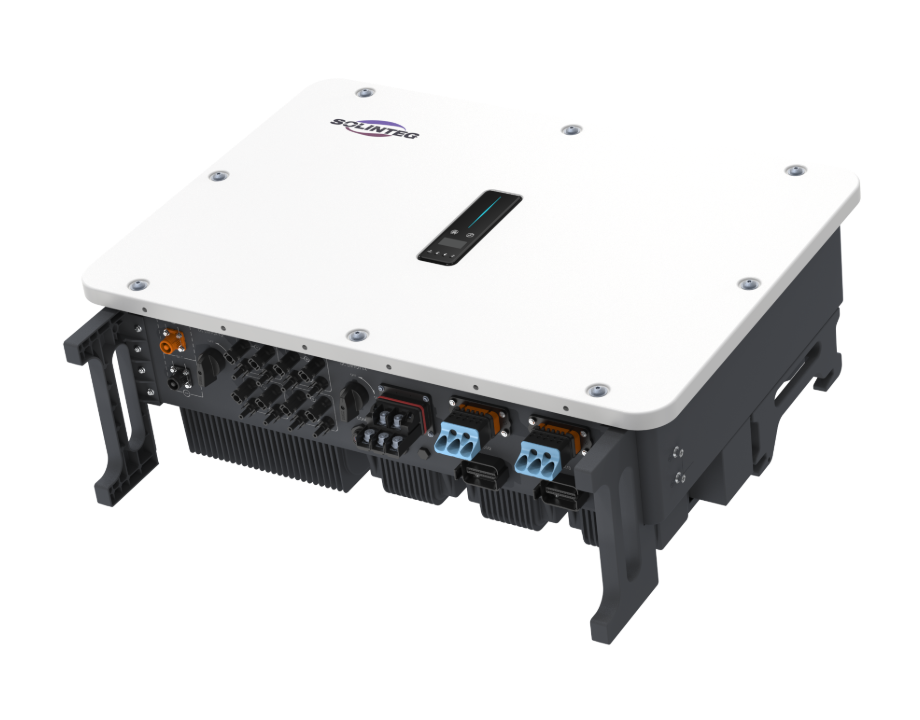
Folks round here, when the lights go out you want a setup that ain’t fiddlin’—you want dependable power. This piece lays out how a hybrid inverter system measures against pure grid-tied or generator solutions, and why pairing it right with a solar battery backup changes the whole outcome. We’ll weigh inverter types, battery chemistry, and installation trade-offs so you can pick a system that fits your roof, budget, and outage habits.
How hybrid inverters stack up
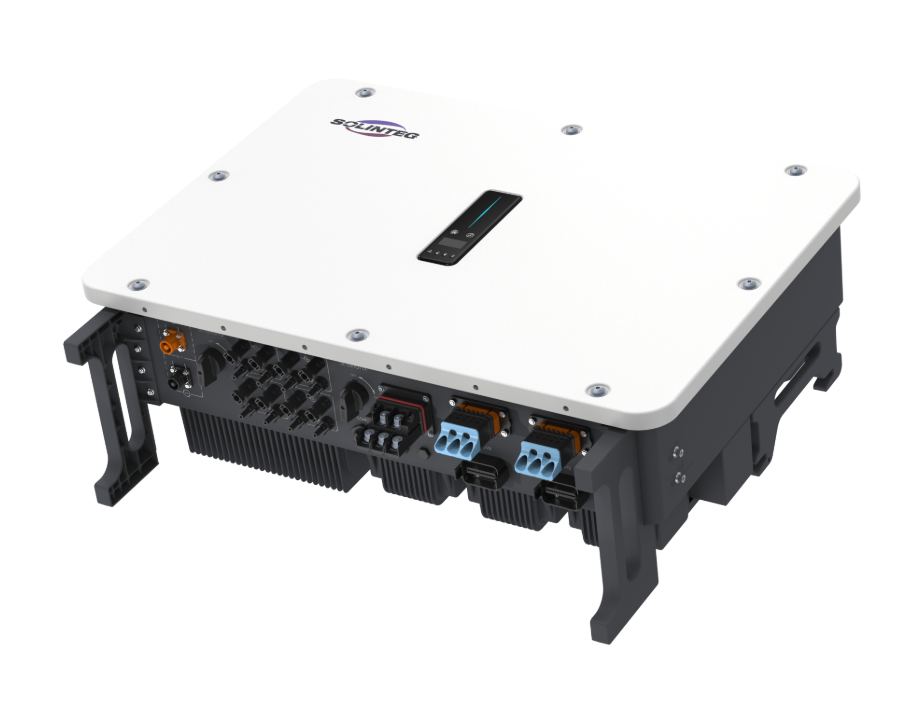
Hybrid inverters combine PV array management, charge control and backup switching into one package. Compared with separate inverter-plus-generator or simple grid-tied setups, hybrids simplify the wiring, cut latency during switchover, and offer better control over round-trip efficiency and islanding behavior. For small-to-medium homes, hybrid systems often win on convenience and peak shaving, while larger installations sometimes favor separate power electronics for redundancy. The choice comes down to how you use stored energy: daily time-shifting or emergency-only backup.
Battery chemistry: lead-acid versus lithium and alternatives
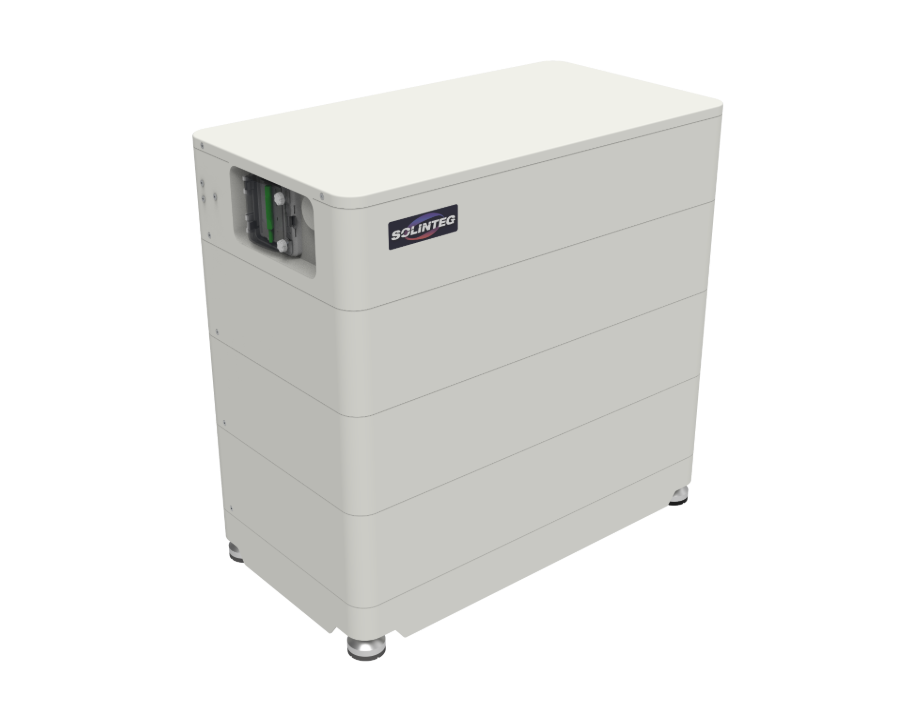
Lead-acid batteries have been workhorses for decades — they’re familiar, cheap up front, and easy to service. If you prefer them, look closely at cycle life, depth of discharge (DoD), and maintenance needs. Modern lithium packs offer higher usable capacity and longer cycle life with a smaller footprint, but cost more up front. For those considering lead acid, see options like the lead acid solar battery when budget and simplicity matter. Remember: a proper battery management system (BMS) and a compatible charge controller will extend any battery’s life.
Practical comparisons: what you gain and what you trade
Here’s a quick, plain list to frame decisions:
– Hybrid inverter + lithium: higher usable energy, lower maintenance, higher initial cost.
– Hybrid inverter + lead-acid: lower capital cost, simpler repairs, more frequent replacements if cycled deeply.
– Grid-tied w/backup generator: very reliable for long outages, more fuel and maintenance overhead, less clean energy use.
– DC coupling vs AC coupling: DC-coupled systems can be more efficient for battery charging from PV; AC-coupled setups are often simpler to retrofit.
Common mistakes and how to avoid ’em
People often undersize the battery or pick a DoD they can’t realistically live with. Others skimp on the inverter’s surge rating and discover their start-up fridge kills the system. Don’t forget wiring losses and the inverter’s round-trip efficiency when you do your math—small losses add up. When planning, include realistic daily kWh, peak loads, and the battery’s usable capacity rather than nominal amp-hours. —Also, don’t ignore ventilation and temperature: batteries live longer when kept cool.
Sizing, integration tips, and a few hard truths
Start by listing essential loads and their runtime, then match inverter continuous and surge ratings. Factor in cycle life and replacement cadence: cheaper lead-acid strings might need swapping more often than pricier lithium packs. Integrate a suitable charge controller and confirm whether your hybrid inverter supports export limits or smart grid interaction. When sizing systems, remember {main_keyword} and {variation_keyword} matter. Use conservative estimates for depth of discharge (DoD) and check your system’s efficiency under realistic conditions.
Real-world anchor: lessons from outages
When millions of Texans lost power during the February 2021 winter storm, homeowners with properly configured hybrid systems and adequate battery banks kept refrigerators running and phones charged. That event highlighted how system design, not just component brand, determines resilience. Installers who’d considered extreme temps and grid behavior won hands down—planning matters as much as gear.
Three golden rules for picking the right setup
1) Match inverter surge capacity to your largest start-up load and confirm continuous rating for steady consumption. 2) Base battery sizing on usable capacity after DoD limits and expected cycle life—budget for replacements over your project horizon. 3) Require a compatible BMS and suitable charge controller; interoperability avoids premature failures.
Get those three right and you’ll own a system that behaves the way you expect. For home owners and installers wanting a reliable partner that blends hardware with practical know-how, consider how SOLINTEG positions products and support to meet these exact needs — SOLINTEG. Keeps the lights on, honest.