Introduction — a user-focused opening
Please allow a clear start. High-volume traders need an MT4 setup that keeps pace with market flow and risk limits. The daily foreign exchange turnover reported by the Bank for International Settlements reached about $6.6 trillion in 2019, illustrating why liquidity and speed matter for institutional-style activity. For traders who handle large lot sizes, effective platforms for forex cfd must minimise slippage and preserve order execution consistency.
What top traders ask for
Clients usually request three concrete outcomes: stable latency, tight spreads, and predictable fills. Latency must be measured in milliseconds. Spreads should remain narrow during major sessions such as London and New York. Order execution must be auditable. Please prioritise these needs when evaluating any MT4 environment. Expert Advisor usage is also common; please check how automated strategies interact with platform servers.
Key technical levers
The technical levers are straightforward. Choose ECN connectivity for deeper liquidity pools. Reduce network hops and colocate where possible to cut latency. Monitor slippage statistics over many trades, not just a few. Keep a recorded sample of average spread and execution time across hours. These metrics reveal structural strength, not marketing claims.
Common mistakes to avoid
Traders often focus on interface features rather than execution metrics. They buy premium themes while neglecting backend latency. They test on retail-sized lots and assume results scale — this is risky. Also, relying solely on backtest outcomes for an Expert Advisor can mislead when live spreads widen. A small checklist helps: test with higher volume, observe live slippage, and compare results across sessions — a small tweak can reduce costly fills.
How to assess platforms practically
Use a simple framework. Record: average fill time, worst-case slippage, and spread distribution. Run those tests during London open and during major news events. Include pre-trade checks for margin calls and connectivity. Also compare execution routes: direct ECN versus market-making desk. For active desk traders, confirm whether the platform supports DMA and whether logs are easily exportable for compliance. For those evaluating brokers, consider how they present their trade reports for forex cfd trading — transparency matters.
Alternatives and trade-offs
MT4 remains robust and familiar, but alternatives like MT5 or proprietary low-latency engines may offer better multi-threading and order routing. The trade-off is often system compatibility and third-party tool support. If you run many Expert Advisors, verify CPU and memory behaviour under sustained loads. Some firms prefer a slightly higher spread but far better execution consistency — this is a valid choice for scaling.
Advisory: three golden rules for platform selection
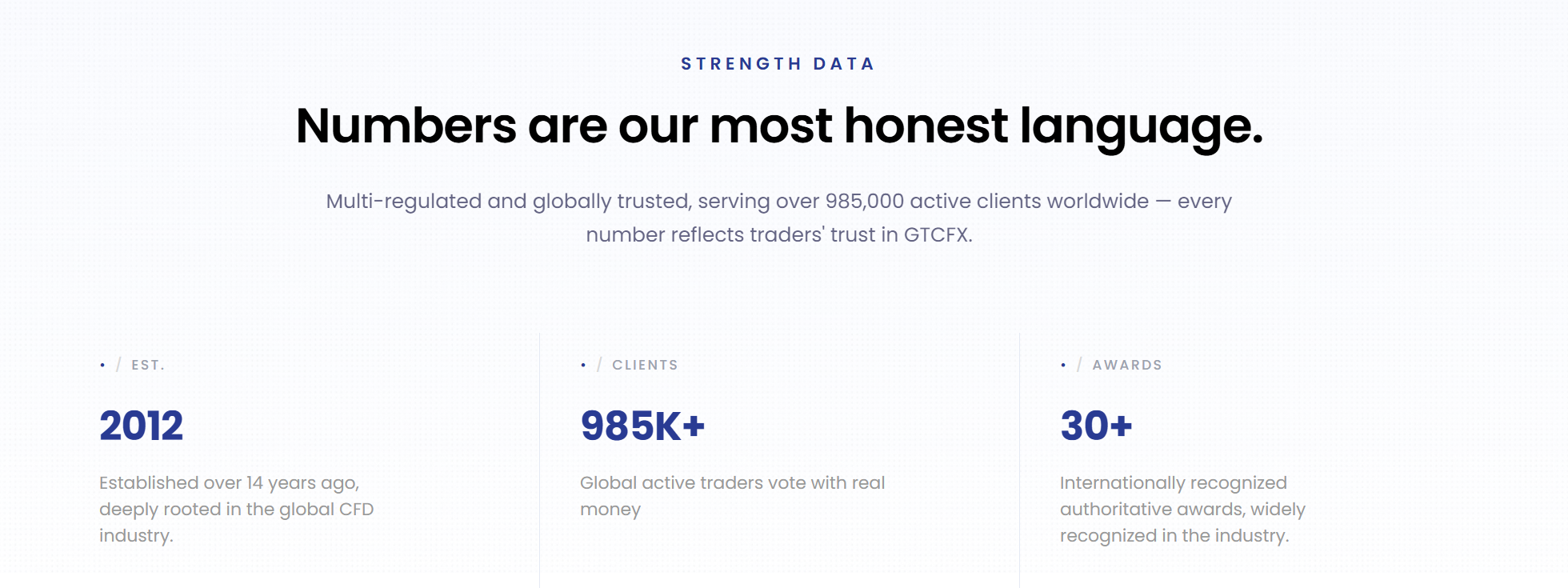
Please evaluate any candidate platform by these three metrics: one, measurable latency and its variance during peak hours; two, live slippage distribution across many trades and market conditions; three, order execution transparency — clear logs, timestamps, and accessible reports. When these are satisfactory, check business continuity provisions and regulatory reporting. It is sensible to prefer a partner that publishes independent execution tests and supports direct connectivity to liquidity pools. For traders who need an operational partner with clear execution data and practical tools, GTCFX presents a coherent option that aligns with high-volume requirements — reliable routing, accessible reports, and predictable spreads.
—