Introduction: A Calm Moment at the Sink
One small morning moment can set the tone for the day. You reach for a pet pump bottle, press, and get either a splash or a thin hiss. Field audits often show that 8–15% of consumer complaints trace back to pumps: drips, leaks, under-dose, or air locks. That is real loss, and it erodes trust. The system looks simple, but the flow path, valve spring, and actuator torque must match the formula’s viscosity. If they are off, people press harder or pump twice. More waste follows. We want peace in small things (a clean counter, a clean hand). Packaging should act like a quiet instrument, not a coin toss. If the goal is gentle, exact delivery, why do so many dispensers struggle across climates and shelf life? Let’s pause, read the mechanics with care, and set a fair test. Next, we look at what the usual fixes miss—and why that matters.
Hidden Gaps the Old Fixes Miss
What keeps misfiring?
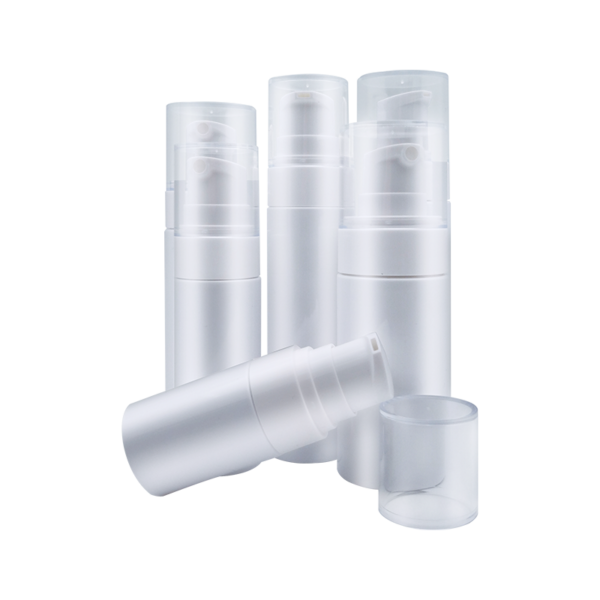
When teams discuss pet plastic pump bottles, they often think the bottle is the lead actor. It is not. The pump head, dip tube, and check valves control the show. In older builds, the focus goes to thicker walls or a stiffer spring. But dosing accuracy lives in the balance between actuator torque, valve timing, and the formula’s flow curve. Air pockets ride up the dip tube, and trapped headspace disturbs prime. That breaks cadence. Look, it’s simpler than you think: if the return spring rebounds too fast for a high-viscosity gel, you suck air, not product. If it rebounds too slow for thin sanitizer, you get a weak, foamy stream. Barrier properties matter as well; vapor loss changes thickness over time, and then all your tests go stale. Users feel this as “Why can’t it just pump right?”
Another hidden gap is geometry stack-up. Tiny tolerance drift across the stem, housing window, and seal can create a bypass path—funny how that works, right? The result is a leak that appears only after a week in a warm bathroom. The PP closure may hold, but the seal compression set relaxes, so a traveling bottle weeps during transit. Add in temperature swings, and viscosity index shifts push the system off the sweet spot. Old fixes like “use a stronger spring” or “shorten the stroke” often trade short-term control for long-term stress. The real fix is coordinated: tighter check-valve clearances, metered stroke volume, and material choices that keep dimensions steady under load.
Comparative Insight: Technologies That Actually Shift Outcomes
What’s Next
Forward-looking builds start with the flow profile, not just the bottle wall. New pump cores use low-hysteresis springs and micro-lip seals to reduce priming time. They manage backflow with tighter check-valve tolerance windows and smoother flow paths. That yields stable dosing even when the formula shifts with temperature. Some designs add airless architecture for oxygen-sensitive actives. Others tune the actuator geometry so user force stays low while maintaining a clean shut-off. When you compare options at a capable pet pump bottle factory, ask for proof charts, not just samples. You want stroke-volume curves across a viscosity range, leak-rate data after thermal cycling, and wear tests over thousands of actuations. Small data, big calm—because steady output is what people feel in their hands.
Material choices also move the needle. A stable PET preform, a UV inhibitor in the masterbatch, and a closure design that limits creep under heat keep the fit true. Clean assembly in an ISO cleanroom reduces tiny particulates that can jam a check valve. Some brands now spec recycled content yet control regrind ratio to protect seal quality. Side-by-side, the better system looks almost the same, but it holds prime longer and stays dry around the neck—tiny details that cut returns and make daily use quiet. That is the future we can test, not just imagine.
How to Choose Wisely: Three Metrics to Check Before You Buy
1) Dosing stability across viscosity. Ask for stroke-volume and backpressure curves from 500 cP to 10,000 cP. You want less than ±10% variation and no sputter after thermal cycling. This shows the actuator torque, spring, and valve timing are tuned to real-life formulas.
2) Seal integrity under stress. Review leak-rate results after drop tests and 48-hour hot–cold cycles. Look for barrier properties that keep the formula steady, and a closure that resists compression set. A dry collar after travel is not luck; it is design.
3) Lifecycle and service. Check recyclability of components, ease of disassembly, and resin grade documentation. Confirm clean-build standards and part tolerances. Ask for failure-mode data—tiny, but telling—and a sample plan that mirrors how people actually use the bottle. For a calm finish to your day-to-day routine, these checks matter more than any brochure. For further technical clarity without the sell, visit NAVI Packaging.